
TL;DR

Get garden gear delivered free with Prime
- Fast, free delivery on millions of items
- Prime Video, Amazon Music and more included
- Member-only deals all year
Gardening Know How describes using plain basket coffee filters to dry cleaned, freshly harvested seeds. The report says their smooth, dense surface can make seeds easier to remove than from paper towels, but it does not provide comparative tests or yield data.
Gardening Know How recommends plain basket coffee filters for drying cleaned seeds saved from crops such as tomatoes, peppers, squash and cucumbers. The report says the filters’ smooth, tightly woven surface may help seeds dry without embedding in paper fibers, making them easier to remove when gardeners prepare to plant them later.
The method addresses a familiar problem with saving seeds on paper towels: wet coatings and pulp can dry onto the towel, leaving seeds difficult to separate. The report explains that tomato seeds are surrounded by a gel-like coating, while cucumbers and squash can also leave slippery or stringy material. According to the article, paper towels’ loose fibers can catch that material as it dries, and pulling seeds free may damage them or leave paper attached.
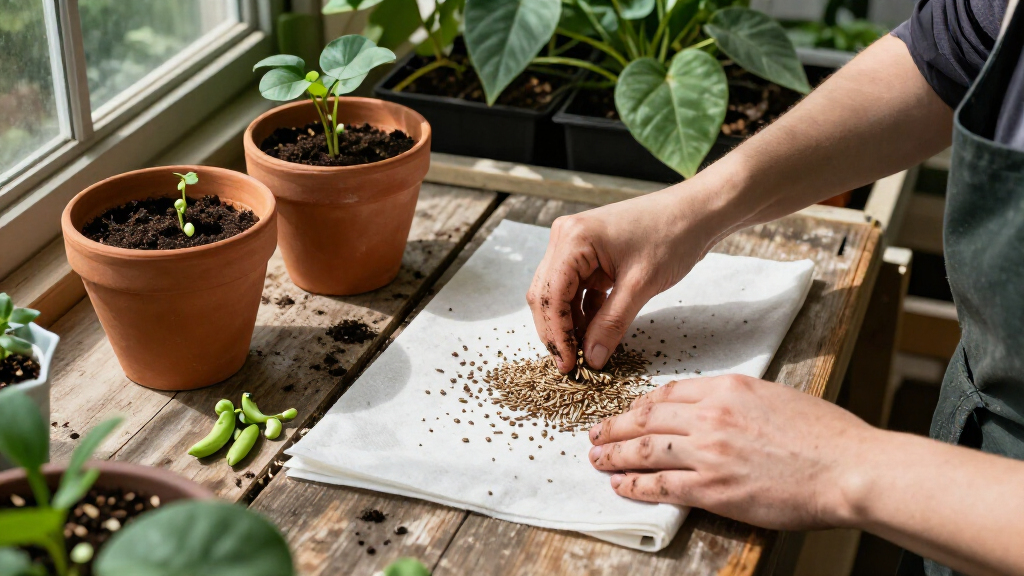
Coffee filters are intended to serve as the drying surface, not replace seed cleaning. The report advises rinsing seeds first and draining off excess water before spreading them over a plain white or unbleached basket filter. It says seeds can then be left to dry in room air and may come free with a gentle flex of the filter or a light tap. A few seeds with pulp still attached may remain harder to remove.
For tomatoes and cucumbers, the article recommends fermenting the seeds and gel in a small jar with a little water for two to three days at about 72–80°F (22–27°C), stirring daily. It says to pour off the liquid and floating seeds, then rinse the plump seeds at the bottom. For peppers, winter squash and melons, the report describes removing seeds from the fruit, cleaning away pulp where needed, and rinsing before drying.
A Lower-Cost Way to Save Seeds
For home gardeners who save seeds, separating them cleanly can affect how much planting material remains usable for the next season. The proposed filter method uses an everyday household item and may reduce the need to scrape seeds from a towel. That could be useful when several crops mature around the same time and gardeners are processing multiple small batches.
The practical claim is limited: the report describes easier seed removal, not a measured improvement in germination or harvest size. It offers no trial results comparing filters with paper towels, and does not quantify how many more seeds remain viable. The technique is therefore best understood as a low-cost handling suggestion rather than evidence that using filters will produce bigger yields.
basket coffee filters for seed drying
As an affiliate, we earn on qualifying purchases.
As an affiliate, we earn on qualifying purchases.
Cleaning Comes Before Drying
The article distinguishes between seed preparation and seed drying. Some seeds, especially tomatoes and cucumbers, have coatings that the report says should be removed before storage; a coffee filter does not perform that cleaning step. The suggested fermentation method is followed by rinsing, while seeds from crops such as peppers may need less processing.
After rinsing, the report recommends letting seeds drain briefly so excess water does not saturate the filter. It favors plain basket-style filters over stiff cone filters and advises against textured or quilted paper towels. Paper plates, glass dishes and screens are mentioned as possible alternatives. The source does not provide a full storage guide or detailed drying-time instructions in the supplied material.
““The filter only handles the drying phase, so you need to clean your seeds first to ensure long-term viability.””
— Gardening Know How report
unbleached coffee filters for gardening
As an affiliate, we earn on qualifying purchases.
As an affiliate, we earn on qualifying purchases.
No Germination Trial Is Provided
The supplied report does not cite a controlled test comparing coffee filters with paper towels, nor does it give germination rates, seed viability measurements or harvest-yield results. Its description of seeds coming free more easily is practical guidance, not a quantified result. It also does not specify one drying time or a precise storage moisture level for every crop. Gardeners should not infer from the technique alone that saved seeds will germinate or produce a larger crop.
seed drying tray with coffee filters
As an affiliate, we earn on qualifying purchases.
As an affiliate, we earn on qualifying purchases.
Dry Seeds Before Storing
Gardeners using the method should clean and rinse seeds according to the crop, drain them, then spread them over a labeled basket filter and allow them to dry fully before placing them in storage. The report’s next practical step is seasonal: keep the dried seeds for planting in a later growing season. It does not give a specific storage container, location or timetable, so those details remain outside the guidance provided.
Any broader claim about improved germination or future yields would require comparative testing. Until such evidence is supplied, the filter is a simple option for trying to make dried seeds easier to separate, not a guarantee of a better harvest.
As an affiliate, we earn on qualifying purchases.
Key Questions
Why use a coffee filter instead of a paper towel?
The report says coffee filters have a denser, smoother surface, so seed coatings are less likely to sink into loose fibers and harden there. Seeds may then be easier to remove once dry.
Can seeds go straight from the fruit onto the filter?
Not always. Gardening Know How says seeds should be cleaned first. Tomatoes and cucumbers may benefit from fermentation and rinsing, while other crops may need pulp removed and a rinse before drying.
How long does the suggested tomato seed fermentation take?
The report suggests two to three days in a warm spot of about 72–80°F (22–27°C), with daily stirring. It then advises pouring off the liquid and floating seeds and rinsing the plump seeds at the bottom.
Does this method guarantee better germination or bigger yields?
No such result is established in the supplied report. It describes a way to dry seeds and potentially remove them more easily, but provides no germination trials or yield comparisons.
Source: rss
Columbus Day / Indigenous Peoples' Day Picks
long weekend sales
As an affiliate, we earn on qualifying purchases.