
TL;DR

Get garden gear delivered free with Prime
- Fast, free delivery on millions of items
- Prime Video, Amazon Music and more included
- Member-only deals all year
Hardy garden chrysanthemums can return after winter, but survival depends on the cultivar, planting time, climate and whether the plant is in the ground or a pot. The source recommends spring planting for perennial success and winter protection for fall purchases, established garden mums and container plants in colder regions.
Hardy garden chrysanthemums can survive winter and return in spring when gardeners choose an outdoor-hardy cultivar and protect it for local conditions, according to a care guide from Gardener’s Path. The advice matters most for people buying mums in fall: newly purchased plants may not have enough time to establish roots outdoors before cold weather arrives.
The guide identifies hardy garden mums as Chrysanthemum × morifolium, distinguishing them from exhibition types, which generally have shallow roots and are not suited to outdoor overwintering. Many garden mums are suited to USDA Hardiness Zones 5 through 9, while some cultivars can tolerate colder conditions. The report gives ‘Mammoth Daisy Coral’ and ‘Mammoth Daisy Quill’ as examples described as hardy to Zone 3; other seasonal garden mums may be hardy to Zone 4 with suitable care.
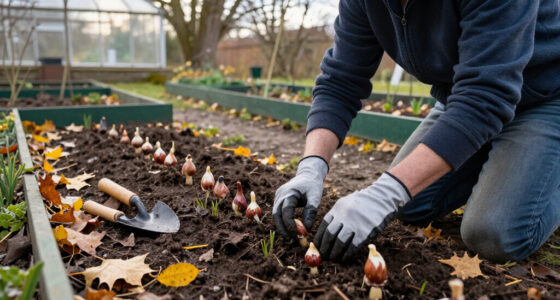
Planting time is a key factor. For gardeners hoping to keep mums as perennials, the report recommends planting in spring rather than putting fall purchases straight into the ground. Plants set out late in the season may not establish roots before winter, particularly when they are already directing energy into flowering. Fall purchases or gifts can be kept in their pots and moved indoors for winter, then planted in the garden the following spring.
Established in-ground mums and potted plants do not face the same risks. According to the guide, container plants are more vulnerable to cold and need winter protection in Zones 7 and below. In Zones 8 and warmer, in-ground plants can generally remain outside, though protection is advised if frost is forecast. The report also recommends a full-sun site and well-drained soil during the growing season.
Protection Can Shape Spring Growth
Overwintering matters to gardeners because a mum bought for one autumn display may be able to grow into a larger garden plant in later seasons. Keeping an established plant alive can also avoid replacing it each fall. But survival is not guaranteed: a cultivar’s cold tolerance, the timing of planting and local winter conditions all affect the outcome.
The distinction between in-ground and container plants is especially useful when deciding what to do before a freeze. Pots expose roots to colder conditions than garden soil, so a plant that might tolerate winter in a bed may need to be moved or otherwise protected when grown in a container.
As an affiliate, we earn on qualifying purchases.
Fall Sales Versus Spring Planting
Garden mums are widely sold as summer fades, often already in bloom. That makes them convenient for seasonal color, but flowering plants bought late in the year may have limited time to establish outdoors. The Gardener’s Path report advises treating these fall purchases differently from mums planted in spring: overwinter them in their containers, then decide whether to keep them potted or plant them out when warmer growing conditions return.
Hardiness varies across chrysanthemums. The report contrasts hardy garden mums with exhibition varieties grown for large flower heads and typically requiring staking. Its zone guidance is general rather than a guarantee for every plant: gardeners need to identify the type and cultivar they have and account for local exposure and winter weather.
As an affiliate, we earn on qualifying purchases.
Winter Survival Depends on Conditions
The guide does not promise that every garden mum will survive winter, and its hardiness ranges should not be read as guarantees. Cultivar identity, local climate and exposure can change how much protection a plant needs. The report’s advice also does not specify a single mulch depth or indoor temperature that applies to all situations.
It remains necessary to check the plant label or ask the seller which type of chrysanthemum is being sold. A seasonal plant’s appearance alone may not establish whether it is a hardy garden cultivar or an exhibition type. The source gives general regional guidance, not a forecast for a particular garden or winter.
Chrysanthemum × morifolium cultivars
As an affiliate, we earn on qualifying purchases.
As an affiliate, we earn on qualifying purchases.
Prepare Plants Before Freezing Weather
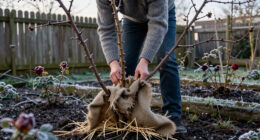
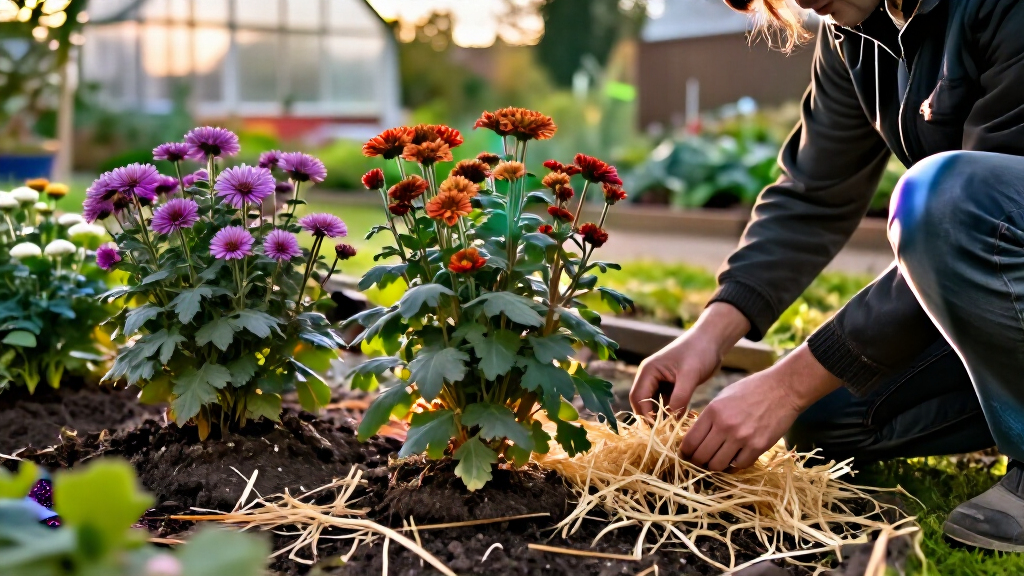
Before cold weather sets in, identify whether each mum is in a pot or planted in the ground, and check its cultivar and hardiness information. Gardeners in Zones 7 and below should plan to protect container plants; those in warmer zones should still watch for frost forecasts and protect plants when needed. The report says burlap or an overturned cardboard box can provide temporary cover in a pinch, and recommends mulch for added protection.
For newly bought or gifted mums, the next step is to keep them in their pots through winter rather than planting them outdoors late in the season. In spring, gardeners can plant them in a sunny spot with well-drained soil and monitor how they establish. Whether a particular plant returns will only become clear after its winter conditions and spring growth are known.
garden mulch for winter protection
As an affiliate, we earn on qualifying purchases.
As an affiliate, we earn on qualifying purchases.
Key Questions
Can hardy garden mums survive winter?
Some can. Survival depends on the cultivar, local hardiness zone, planting time and protection. The Gardener’s Path report says many garden mums are suited to Zones 5 through 9, with some cultivars described as hardy to Zone 3.
Should I plant mums I bought in fall?
If you want them to return as perennials, the report recommends waiting until spring. Fall-bought plants may not establish roots quickly enough before winter, so keep them in their pots and protect them through the cold season.
Do mums in pots need winter protection?
Yes, the report says container mums are more exposed to cold than plants in the ground and should be winterized in Zones 7 and below. The specific method depends on the plant and local conditions.
What conditions do garden mums need?
The guide recommends a full-sun location and well-drained soil during the growing season. It also advises checking cultivar hardiness and protecting plants when frost or severe cold is forecast.
Source: rss
Fall Picks
fall essentials
As an affiliate, we earn on qualifying purchases.