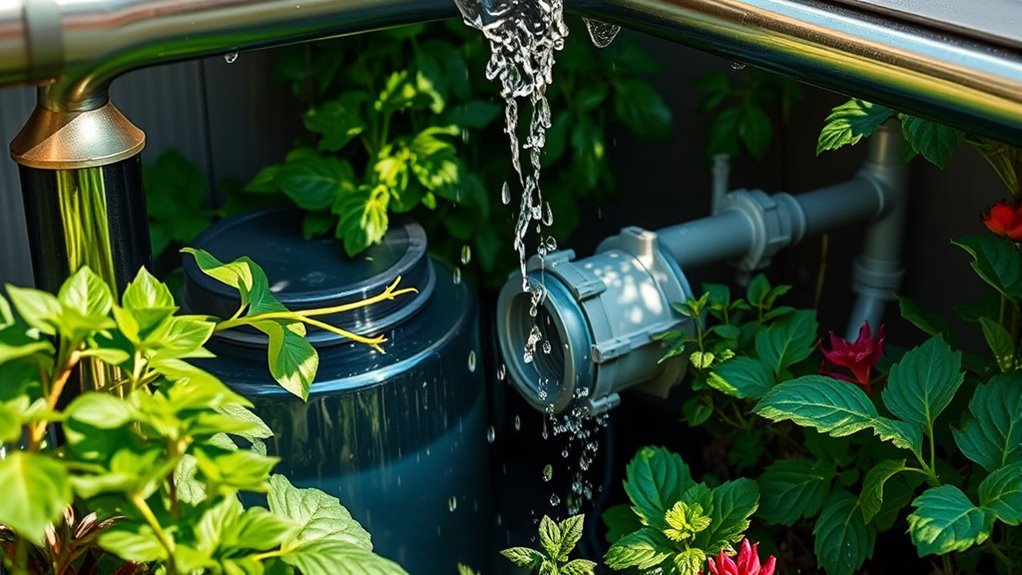

Implementing rainwater harvesting and greywater reuse allows you to save water, reduce your reliance on municipal systems, and support sustainability. By capturing rainwater from roofs and directing stormwater into the ground, you prevent flooding and improve water quality. Reusing greywater for irrigation or other non-potable uses further conserves resources and cuts costs. If you want to learn how these practices can make your property more resilient and eco-friendly, there’s more to explore ahead.
Key Takeaways
- Rainwater harvesting reduces reliance on municipal water and supports groundwater recharge.
- Greywater reuse conserves potable water for non-drinking purposes like irrigation.
- Stormwater infiltration techniques prevent urban flooding and improve water quality.
- Proper design and maintenance ensure system efficiency and long-term sustainability.
- Combining rainwater and greywater systems enhances community resilience and environmental protection.
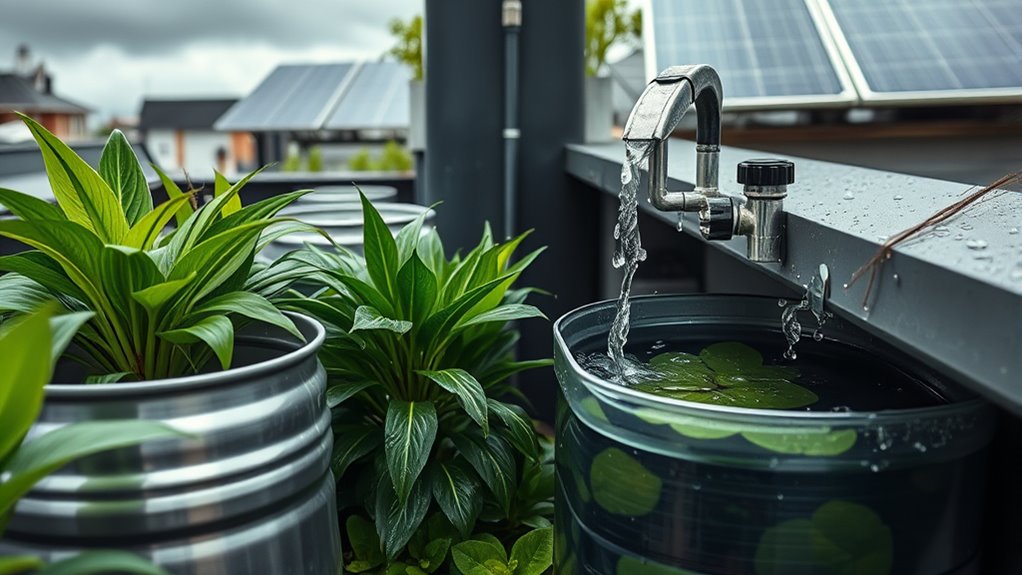
Have you ever considered how much water you could save by capturing rain and reusing greywater? By implementing these practices, you not only reduce your reliance on municipal water systems but also help alleviate pressure on local stormwater infrastructure. One effective way to do this is through stormwater infiltration, which involves directing rainwater from your roof or other surfaces into the ground, allowing it to naturally percolate and replenish underground aquifers. This process reduces runoff, minimizes erosion, and helps prevent urban flooding. Instead of letting rainwater flow into storm drains, you can design your property to maximize infiltration, such as installing permeable pavements or creating rain gardens that encourage water absorption. This approach not only conserves water but also improves water quality, since filtered rainwater can lessen the burden on wastewater treatment plants by decreasing the volume of contaminated water they need to process. Additionally, embracing sustainable water management practices can enhance your property’s resilience to climate variability and extreme weather events.
Using rainwater for non-potable purposes means less strain on wastewater treatment facilities, which often operate at or near capacity. When you harvest rainwater, you divert a significant portion of runoff that would otherwise end up in storm drains, carrying pollutants along the way. This reduces the load on wastewater treatment plants, making their job easier and more efficient. Furthermore, capturing stormwater reduces the likelihood of urban flooding during heavy rains, which can overwhelm sewer systems and cause water to back up into streets and homes. By integrating stormwater infiltration practices into your property, you’re actively contributing to a more sustainable water cycle. This not only benefits your household by providing a reliable source of water for irrigation or other uses but also supports the environment by maintaining groundwater levels and reducing pollution.
It’s important to note that the success of stormwater infiltration depends on proper design and maintenance. You’ll want to ensure that your infiltration systems are not clogged with debris and that they’re appropriately sized for your property’s rainfall patterns. Combining stormwater infiltration with greywater reuse — the recycling of water from sinks, showers, and laundry — maximizes water conservation. This way, you’re making the most of every drop, reducing the need for treated water from external sources. By actively managing your water resources through these methods, you’re not just saving money but also playing a crucial role in protecting local water quality and ensuring a resilient, sustainable water future for your community.

Anivia Rainwater Collection System, Rain Barrel Diverter Kit Fits for 2×3 or 3×4 Inch Standard Downspouts, Downspout Diverter with Adjustable Valve and Filter. 5ft Hose (White)
Enhanced Filtering System:Say goodbye to clogged rainwater collection systems! Our system is equipped with a removable filter window…
As an affiliate, we earn on qualifying purchases.
As an affiliate, we earn on qualifying purchases.
Frequently Asked Questions
What Are the Initial Costs of Implementing Rainwater Harvesting Systems?
The initial costs of implementing rainwater harvesting systems vary based on your needs, but generally, you’ll need to ensure cost estimation for system components like gutters, storage tanks, filters, and pumps. Budget around a few hundred to several thousand dollars, depending on system size and complexity. Investing in quality components guarantees durability and efficiency, which can save you money long-term. Begin by evaluating your water needs to determine the right system for your budget.
How Does Greywater Reuse Impact Indoor Air Quality?
Greywater reuse can improve indoor air quality by reducing mold and mildew growth, which often cause odors and affect air freshness. When you properly manage greywater, you prevent stagnant water from creating unpleasant indoor odors, promoting better odor control. By maintaining clean greywater systems and ensuring good ventilation, you support healthier indoor air, making your space more comfortable and reducing potential respiratory issues.
Are There Any Legal Restrictions on Greywater Reuse in Residential Areas?
You should know that most areas have strict legal regulations and health standards for greywater reuse, with over 80% of US states imposing restrictions. These laws aim to protect public health, requiring proper treatment and distribution methods. Before you start, check your local regulations, because non-compliance can lead to fines or health risks. Staying informed guarantees your greywater reuse remains safe, legal, and environmentally friendly.
What Maintenance Is Required for Rainwater Harvesting Systems?
To keep your rainwater harvesting system working efficiently, you need to regularly check and clean the system filters to prevent clogs. Additionally, you should schedule tank cleaning at least once a year to remove debris and sediment buildup. Inspect the gutters and downspouts for blockages, and guarantee all parts are in good condition. Proper maintenance ensures safe, clean water and prolongs your system’s lifespan.
Can Greywater Be Safely Used for Drinking Purposes?
You can’t safely drink greywater, as it poses health risks from contaminants and pathogens. Think of greywater like a polluted river—dangerous without proper treatment. To make it safe, treatment methods like filtration, disinfection, and biological processes are essential. Without these, drinking greywater could lead to serious illness. Always treat greywater thoroughly before considering it for any potable use, and consult safety guidelines to protect your health.

Greywater reuse system in single-family homes: Design and economic evaluation
As an affiliate, we earn on qualifying purchases.
As an affiliate, we earn on qualifying purchases.
Conclusion
By embracing rainwater harvesting and greywater reuse, you become a guardian of nature’s gift, turning droplets into hope. Every drop you save is a seed for a greener future, a symbol of your commitment to harmony with the Earth. When you choose to reuse, you’re nurturing a cycle of life, ensuring waters flow freely for generations to come. Let your actions be the rain that renews and the stream that sustains, inspiring change beyond yourself.
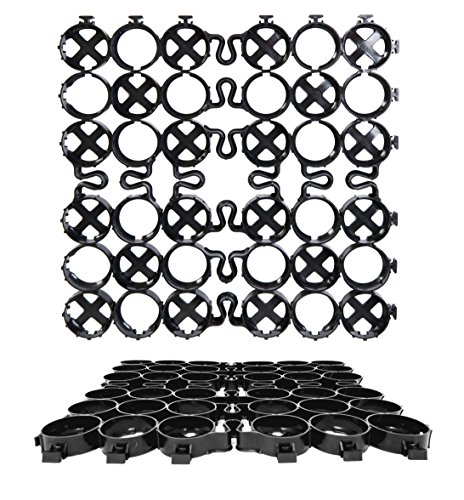
TRUEGRID | PRO LITE Permeable Pavers Designed as Driveway Pavers, Grass Shed Base, Patio RV Pad, Gravel, DIY Outdoor 120,000 lb Load Class Pack of 18 (72 Square Feet)
EASY TO USE: Our lightweight permeable pavers are easy for any level of DIYer to install; Feel proud…
As an affiliate, we earn on qualifying purchases.
As an affiliate, we earn on qualifying purchases.
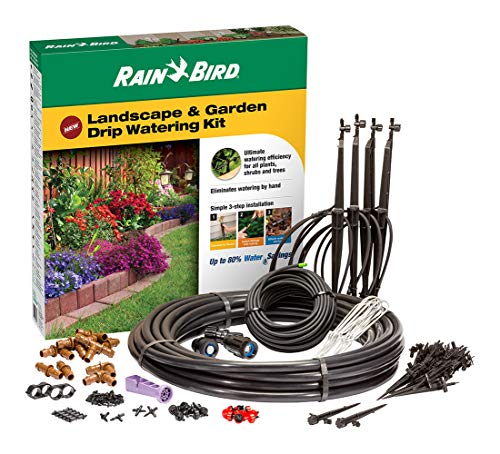
Rain Bird LNDDRIPKIT Drip Irrigation Landscape/Garden Watering Kit with Drippers, Micro-Bubblers, Micro-Sprays
Comprehensive 108-piece kit for flower beds, gardens and landscaped areas; eliminates hand watering, saves time and money
As an affiliate, we earn on qualifying purchases.
As an affiliate, we earn on qualifying purchases.