
TL;DR

Get garden gear delivered free with Prime
- Fast, free delivery on millions of items
- Prime Video, Amazon Music and more included
- Member-only deals all year
Country Living’s winter indoor-gardening report names eight candidates—not seven—for container growing: basil, cherry tomatoes, chives, lettuce, mint, oregano, radishes and sage. The advice stresses adequate light, suitable containers and plant-specific watering; indoor success and yields can vary, and some plants may still face pests.
Country Living’s indoor winter-gardening report identifies eight herbs and vegetables that may grow in containers indoors: basil, cherry tomatoes, chives, lettuce, mint, oregano, radishes and sage. The headline says seven, but the article’s list contains eight; its advice also makes clear that light, temperature and care affect whether plants thrive.
The report recommends choosing containers large enough for mature plants and using quality potting mix. It suggests keeping daytime room temperatures at 65 to 70°F, with nights a few degrees cooler, and avoiding drafts near heating or air-conditioning vents. For the darkest part of winter, it advises using a grow light for at least 10 hours a day, saying inadequate light can leave plants spindly and cause them to die back.
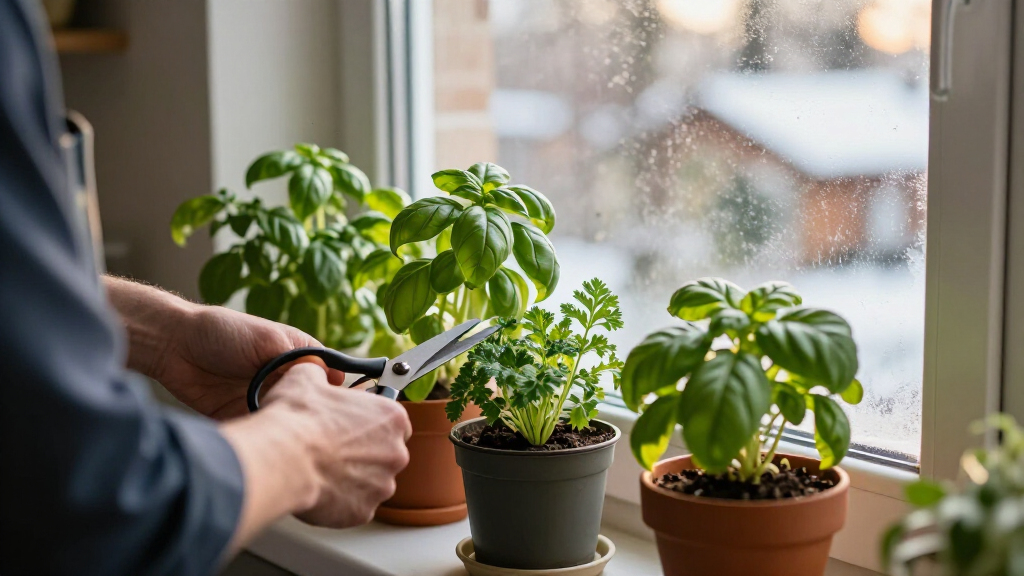
Care differs across the list. Basil and chives should be kept in moist soil, while oregano and sage should dry slightly between waterings; mint should be watered when its soil is dry. Lettuce can be grown in several types, including Bibb, butterhead and romaine, although the report warns that indoor yields are generally smaller. Radishes are described as quick-growing in loose container soil. For tomatoes, the report recommends small, bush-type varieties and says ample light is especially advisable.
The source suggests feeding plants with a water-soluble fertilizer every two weeks, following package directions. It also describes several ways to start plants: sow seeds, buy transplants, root some herbs from cuttings, or pot small garden clumps. The report does not offer measured yield figures or guarantee that each plant will produce a harvest indoors.
A Winter Harvest Depends on Indoor Conditions
Growing herbs and vegetables inside can give households access to fresh ingredients when outdoor gardens are dormant, including salad greens and herbs used in winter cooking. The report’s list offers options for different uses, from lettuce and radishes to basil, sage and oregano.
The practical limitation is that an indoor location alone is not enough. Winter daylight may be insufficient, and the report’s recommendations point to the costs and effort involved in providing grow lights, containers and regular care. Tomato production may be particularly dependent on strong light, while lettuce harvests may be smaller than outdoor yields. Results will depend on a home’s conditions and the varieties selected.
Products Worth Considering

Philips Hue Festavia Globe Outdoor String Lights, 32 Bulbs, 91 ft

Philips Hue Bridge Pro Smart Lighting Hub

Philips Hue Large Smart Light Tube, Black – White and Color Ambiance LED Color-Changing Light – 1 Pack
As an affiliate, we earn on qualifying purchases.
Eight Plants, Despite the Seven-Plant Headline
The supplied Country Living report is titled “7 Veggies and Herbs That Actually Thrive Inside All Winter,” but its body names eight plants. Cherry tomatoes and radishes are the vegetables in the list; the other entries are herbs or leafy lettuce. The discrepancy is present in the source material and is not explained there.
The report also cautions that not all vegetables are suited to indoor growing, using zucchini as an example. It says indoor plants may avoid some outdoor pests, but does not suggest they are pest-free: aphids, stinkbugs and mites can still affect tomatoes indoors. Its advice is general rather than a guarantee for every variety or home.
““For the darkest parts of winter, consider getting an inexpensive grow light, and use it for at least 10 hours per day.””
— Country Living report
Yields and Home Conditions Vary
The report does not give specific harvest estimates, trial results or a publication date in the supplied material. It does not compare varieties beyond recommending small, bush-type tomatoes, nor does it quantify how much light plants receive from a window before a grow light is needed.
Indoor conditions differ by home, and the source does not establish that every listed plant will thrive in every room. It also offers no detailed pest-control guidance. Its fertilizer advice is to follow the product label, and its watering guidance varies by plant rather than setting one schedule for all eight.
Match Care to Each Plant
Readers following the report’s guidance can start by choosing a container and variety suited to the available space, then checking the seed packet or plant label for mature size. During winter’s darker stretch, they can monitor how plants respond to window light and consider the suggested 10-hour grow-light schedule if natural light is limited.
Care should then follow each plant’s needs: keep basil and chives moist, let oregano and sage dry slightly, and water mint when its soil is dry. The source gives no formal next milestone or forecast; whether plants produce a useful winter harvest will depend on conditions and ongoing care.
Key Questions
How many plants does the report recommend?
The headline says seven, but the article lists eight: basil, cherry tomatoes, chives, lettuce, mint, oregano, radishes and sage.
Do indoor winter plants need a grow light?
The report recommends considering one during the darkest part of winter and using it for at least 10 hours per day. It says low light can make plants spindly and lead them to die back.
How warm should the room be?
Country Living recommends daytime temperatures of 65 to 70°F, with nights a few degrees cooler, and advises keeping herbs away from heating and air-conditioning drafts.
Will indoor lettuce produce as much as garden lettuce?
The report says lettuce can grow indoors but cautions that yields are generally smaller. It suggests a larger container may help.
Can indoor tomatoes still have pests?
Yes. The report says tomatoes indoors may still be affected by aphids, stinkbugs and mites, even if some outdoor pests are less of a concern.
Source: rss