
TL;DR
Gardening Know How advises preparing azaleas and rhododendrons for winter in fall, when next spring’s flower buds are already formed. Its seven recommendations include avoiding heavy pruning and late fertilizer, watering until the ground freezes, applying mulch, addressing poor drainage and sheltering vulnerable evergreens from wind.
Gardening Know How has published seven fall-care recommendations for azaleas and rhododendrons, focusing on protecting their roots and flower buds already formed for next spring. The advice includes limiting pruning and fertilizer, watering during dry autumn weather, and preparing evergreen shrubs for winter wind and moisture loss.

Get garden gear delivered free with Prime
- Fast, free delivery on millions of items
- Prime Video, Amazon Music and more included
- Member-only deals all year
The report says many spring-blooming azaleas and rhododendrons flower on old growth and form their buds during summer. Heavy fall pruning can remove those buds, reducing the potential for spring flowers. It recommends reserving major shaping for after spring flowering, while removing dead, damaged or diseased branches in fall with clean, sharp tools.
It also advises stopping seasonal fertilizing, because late feeding may prompt new growth vulnerable to winter damage. For shrubs that appear to need nutrients, the report recommends using a soil test to identify deficiencies rather than applying fertilizer without checking. Routine feeding, when needed, is generally done in spring after flowering.
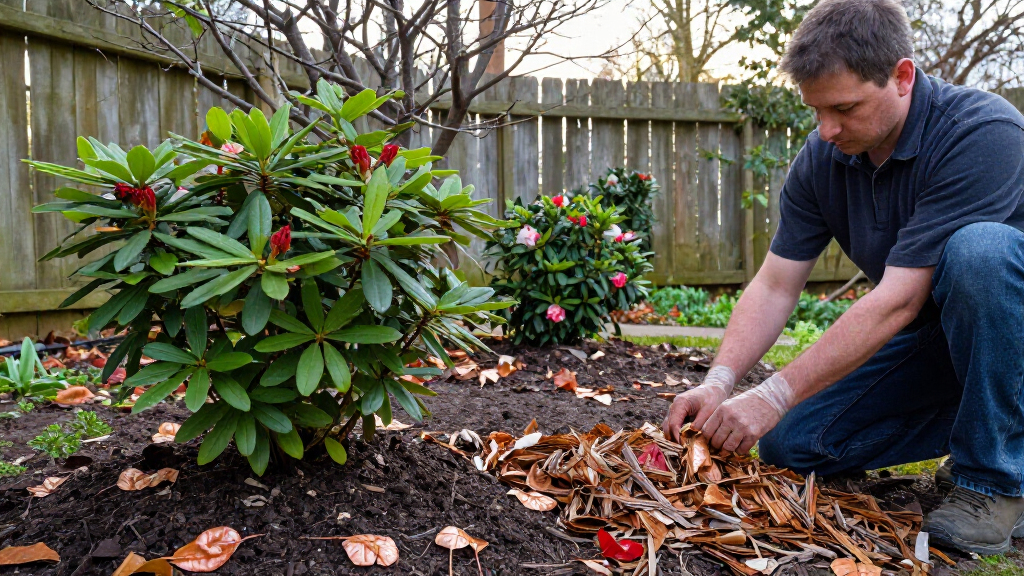
The remaining recommendations address water and exposure. Keep soil moist during a dry fall and water deeply as needed before the ground freezes. Apply 2 to 3 inches of organic mulch over the root zone, leaving space around stems. Check for waterlogged soil, which can contribute to root rot, and consider a burlap windbreak for exposed evergreen shrubs without letting the barrier touch their leaves.
Protecting Buds and Roots Before Winter
Fall choices can affect both the next flowering season and shrub health through winter. Because many of these plants have already set flower buds, pruning at the wrong time may remove growth that would otherwise bloom in spring. Watering also matters: evergreen leaves can lose moisture during cold, dry weather while frozen ground prevents roots from replacing it.
Too much water poses a different risk. Poor drainage can leave roots in soggy soil and contribute to rot or fungal disease. The recommendations distinguish between keeping soil adequately moist and allowing it to remain waterlogged. They also recognize that evergreen and deciduous varieties differ, particularly in their vulnerability to winter drying.
Products Worth Considering

Philips Hue Smart Light Starter Kit with Bridge and 4 White and Color A19 Bulbs

Roborock Qrevo S Pro Robot Vacuum and Mop with 18,500 Pa Suction

Sonos Arc Ultra Dolby Atmos Soundbar, Black
As an affiliate, we earn on qualifying purchases.
Why Fall Care Affects Spring Bloom
The Gardening Know How report frames fall work as preparation for winter dormancy, not a time for heavy pruning or late-season feeding. Its central point is that next year’s buds are already present on many spring-blooming shrubs, so protecting existing growth is part of preserving the coming display.
The advice applies to azaleas and rhododendrons with broadly similar care needs, but the report notes differences between deciduous and evergreen types. In particular, keeping soil moist before freezing is more consequential for many evergreens, whose leaves remain exposed to winter conditions. Local weather, soil drainage and the plant’s condition affect which tasks are most relevant.
Advice Depends on Site Conditions
The source material does not provide a publication date, regional climate guidance or a variety-by-variety schedule. It also does not specify how much water an individual shrub needs; that depends on rainfall, soil and root-zone moisture. The recommendations should not be read as a fixed calendar for every location: the ground-freezing date and local conditions vary.
The supplied report excerpt begins its final tip about protecting evergreen shrubs from winter burn but ends before giving any further instructions. It describes a burlap barrier supported by stakes and kept clear of foliage; additional details beyond that excerpt are not confirmed here.
Complete Tasks Before Hard Freezes
Gardeners can inspect shrubs, remove only dead or damaged branches, stop late-season feeding and check soil moisture and drainage as fall progresses. Before the ground freezes, water deeply if conditions are dry and add the recommended mulch while keeping it away from stems. Where winter winds strike exposed evergreen plants, a freestanding burlap screen may provide a barrier.
Major pruning and any fertilizer found necessary through soil testing can be considered after flowering in spring. Weather and plant condition should guide the timing; the report gives general care steps rather than a location-specific forecast or schedule.
Key Questions
Should I prune azaleas and rhododendrons in fall?
Avoid heavy fall pruning, according to Gardening Know How, because many spring-blooming plants have already formed flower buds. Remove dead, damaged or diseased branches with clean tools; do major shaping after spring flowering.
Should I fertilize these shrubs before winter?
The report advises stopping fertilizer for the season. Late feeding may encourage new growth vulnerable to winter damage. If a shrub appears unhealthy or deficient, use a soil test to guide decisions about feeding in spring.
How should I water azaleas and rhododendrons in fall?
Keep the root-zone soil moist during dry autumn weather and water deeply as needed, including before the ground freezes. Avoid leaving plants in waterlogged soil, which can contribute to root problems.
How much mulch should I apply?
The report recommends a 2- to 3-inch layer of organic mulch, such as shredded pine bark or partially decomposed shredded leaves. Keep mulch a few inches away from stems.
Do evergreen azaleas and rhododendrons need extra winter protection?
Evergreen types can be vulnerable to moisture loss in cold, dry winds. The report suggests a burlap windbreak on the exposed side, supported by stakes and kept from touching the leaves to allow airflow.
Source: gardeningknowhow.com