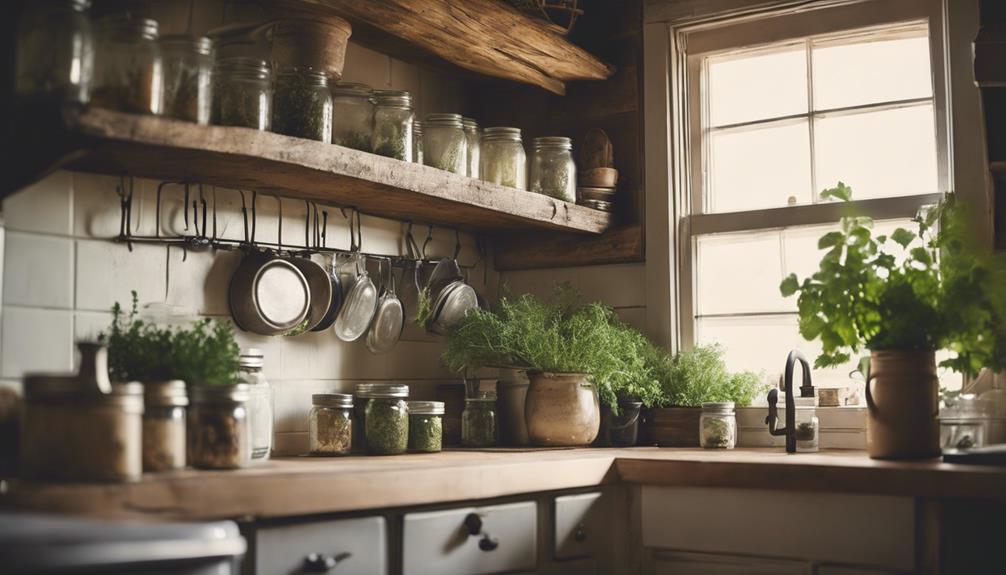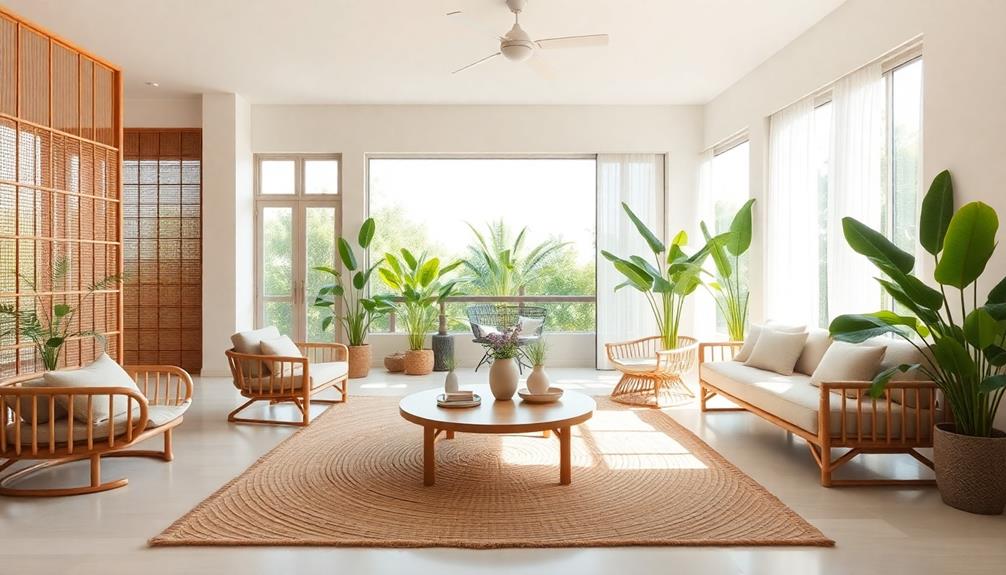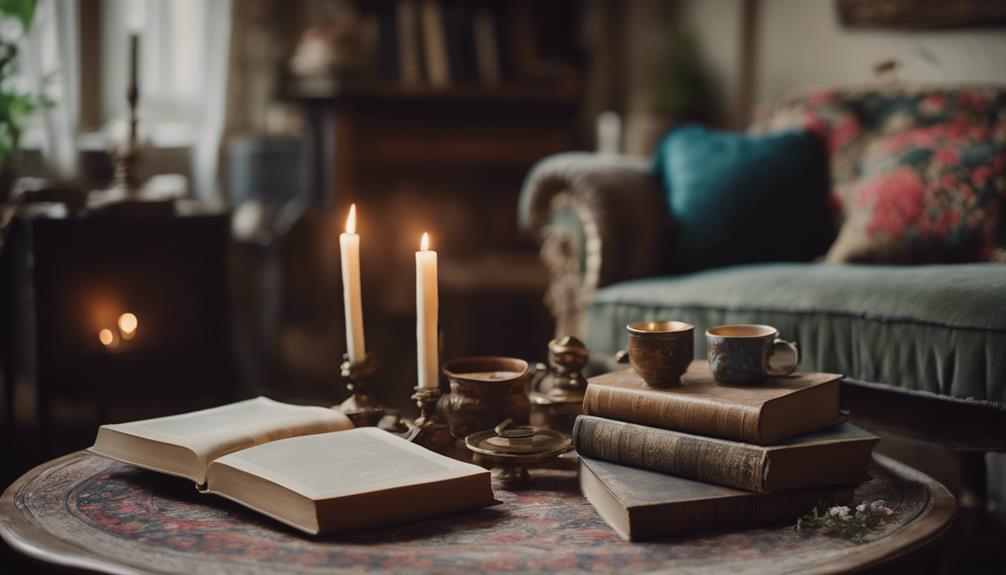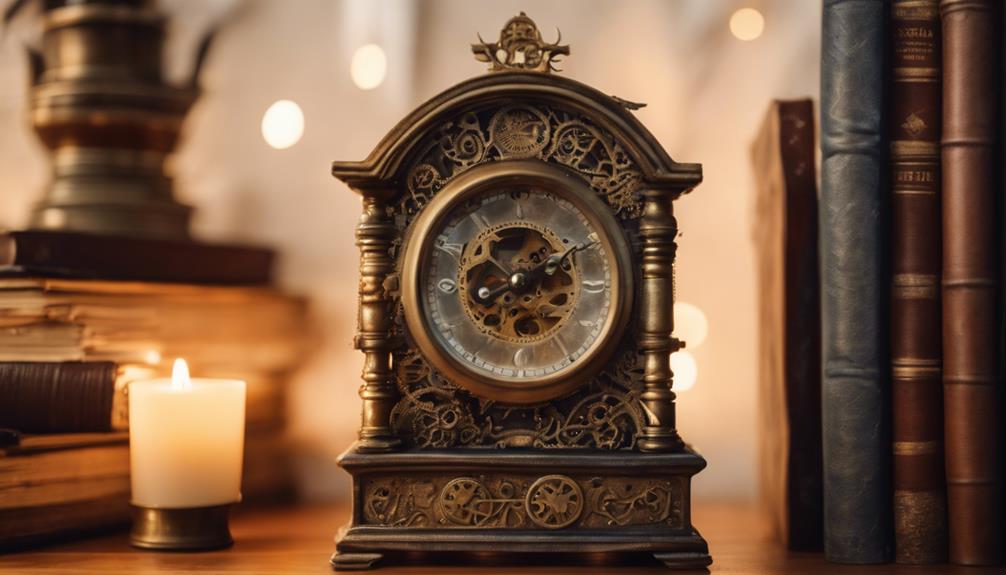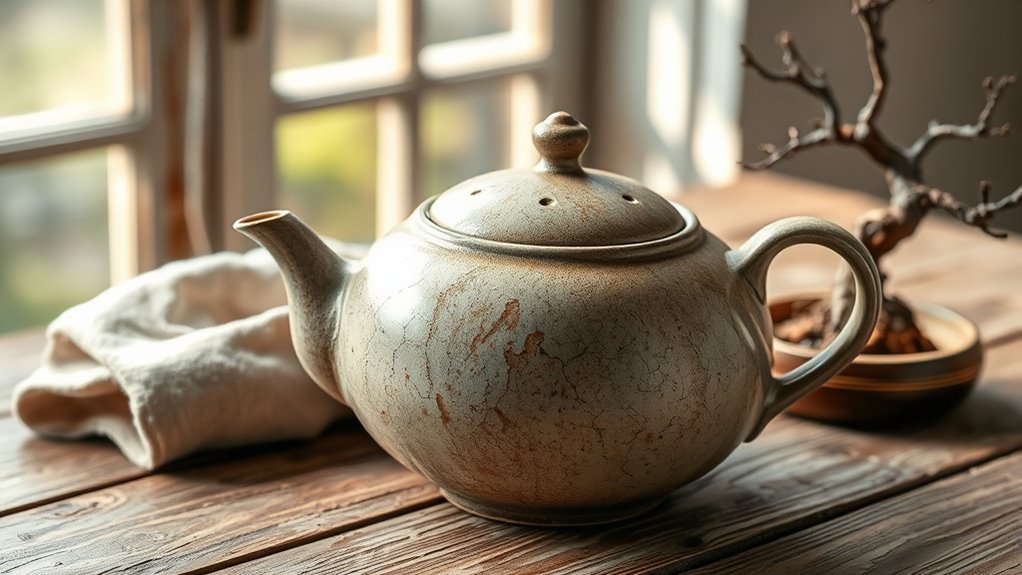

Wabi-sabi aesthetics invite you to appreciate the beauty in imperfection and simplicity. Instead of seeking flawlessness, you focus on natural flaws, aging, and transient moments that bring character and authenticity. Embracing textures, irregular shapes, and weathered surfaces, you cultivate a mindful and serene connection to your surroundings. By understanding further, you’ll discover how this timeless philosophy can transform your perspective and create a more genuine, harmonious environment around you.
Key Takeaways
- Wabi-sabi emphasizes beauty in imperfection, transience, and natural irregularities, celebrating authenticity over flawlessness.
- It encourages mindful appreciation of simple, rustic objects and the aging process, highlighting character and history.
- Wabi-sabi promotes harmony through natural materials and asymmetry, fostering a sense of calm and reflection.
- It challenges perfectionism, inspiring genuine connections with the environment and acceptance of life’s fleeting nature.
- The aesthetic values understated elegance, emphasizing simplicity and the beauty found in natural wear and subtle details.
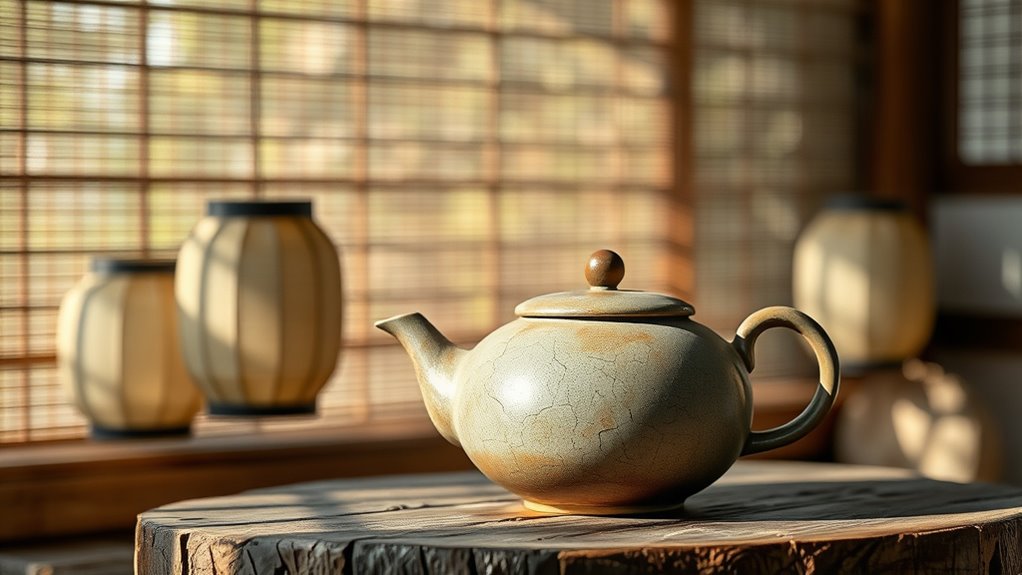
Have you ever noticed beauty in imperfection? Wabi-sabi, the Japanese aesthetic that celebrates the imperfect, transient, and incomplete, invites you to see the world differently. It’s about finding elegance in flaws and appreciating simplicity over extravagance. When you participate in a traditional tea ceremony, you experience this philosophy firsthand. The rustic, uneven surface of a teacup, the irregular shape of a handcrafted tea bowl—these imperfections are what make each piece unique and imbue the ceremony with a sense of authenticity. The act of preparing and drinking tea becomes a mindful ritual that encourages you to slow down and embrace the fleeting nature of the moment. It’s not about perfection but about appreciating the subtle beauty in each imperfect detail. This appreciation extends to everyday objects, where the natural aging process adds character and depth. Stone gardens, or karesansui, exemplify wabi-sabi’s core principles. These minimalistic landscapes use rocks, gravel, and moss to evoke a sense of calm and reflection. You might find yourself captivated by the uneven placement of stones or the natural wear of their surfaces, which reveal their history and give them character. The raked gravel represents the flow of water, yet it’s never perfectly symmetrical, emphasizing the beauty of natural irregularity. These gardens are designed to foster contemplation, encouraging you to accept the imperfect and transient aspects of life. As you sit quietly, observing the subtle variations in texture and form, you learn to appreciate that beauty isn’t about flawlessness but about harmony within imperfection. This perspective can influence how you approach everyday life, helping you find serenity amid chaos. Embracing imperfection can inspire more genuine and meaningful connections with the world around you, reminding us that beauty often resides in the imperfect and transient. Wabi-sabi challenges you to see the world through a lens that values simplicity and authenticity. It’s about recognizing the beauty in things that have aged, weathered, or worn down over time. You’re encouraged to let go of the obsession with perfection and instead focus on the quiet, understated charm of natural materials and imperfect craftsmanship. Whether it’s a cracked ceramic vase or the uneven edges of a wooden table, these imperfections tell a story and carry a sense of history. Wabi-sabi asks you to slow down and observe the details rather than rushing for a polished, pristine ideal. By embracing this aesthetic, you open yourself to a deeper connection with the present moment, appreciating beauty in its most genuine form.

EMBERHOLD Japanese Ceramic Mug, Vintage Tea Cup, 8oz Cup, No Handle Drinking Cup for Latte Milk Water Beverage Juice Microwave and Dishwasher Safe (Midnight Blue)
Semi-Glaze: The exposed unglazed clay at the bottom half embodies the signature wabi-sabi aesthetic, highlighting the raw texture…
As an affiliate, we earn on qualifying purchases.
As an affiliate, we earn on qualifying purchases.
Frequently Asked Questions
How Can I Incorporate Wabi-Sabi Into Modern Interior Design?
To incorporate wabi-sabi into your modern interior, focus on embracing rustic charm and natural textures. Choose imperfect, weathered furniture pieces and incorporate raw materials like wood, stone, and linen. Keep your decor simple and unpretentious, highlighting the beauty of imperfection. Allow for slight asymmetry and avoid overly polished finishes. This approach creates a calming, authentic space that celebrates the imperfect and the natural.
What Are Common Materials Used in Wabi-Sabi Craftsmanship?
You’ll find that ceramic pottery and natural textiles are the heart and soul of wabi-sabi craftsmanship, embodying beauty through imperfection. These materials, often unrefined and earthy, celebrate the raw, authentic essence of nature. Ceramic pieces with uneven glazes and natural textiles with subtle flaws create a rich, textured aesthetic. By choosing these materials, you embrace simplicity and imperfection, transforming your space into a serene, imperfectly perfect sanctuary.
How Does Wabi-Sabi Influence Japanese Culture and Philosophy?
You see that wabi-sabi deeply influences Japanese culture and philosophy by emphasizing Zen principles like mindfulness and acceptance of imperfection. It shapes traditions such as the tea ceremony, where simplicity and natural beauty are valued. You’re encouraged to find beauty in asymmetry and transience, fostering a sense of humility and appreciation for life’s fleeting moments. This mindset helps you embrace authenticity and serenity in everyday life.
Can Wabi-Sabi Principles Be Applied to Digital Art?
Think of wabi-sabi like a quiet pond reflecting the sky’s imperfections; it can definitely inspire digital art. By embracing imperfection in technology and practicing digital minimalism, you can create works that highlight authenticity and simplicity. You’ll find beauty in the flaws and asymmetry, making your art feel more genuine and soulful. Applying these principles invites viewers to appreciate the imperfect, transient nature of digital creations, just as wabi-sabi does with physical objects.
What Are Some Everyday Objects That Embody Wabi-Sabi Aesthetics?
You’ll notice that handmade ceramics with uneven glazes and weathered wood with natural cracks embody wabi-sabi aesthetics. These objects celebrate imperfection and age, reminding you to appreciate their unique beauty. Everyday items like chipped pottery, rough-textured fabric, or a rusted metal tool also reflect this philosophy. By embracing their flaws, you find genuine charm and simplicity, encouraging a more mindful and authentic way of living.

Ancient Graffiti Eight-Stone Balancing Cairn – Indoor/Outdoor Garden Decoration
Stack of 8 river rocks, balanced one atop the other for a unique look
As an affiliate, we earn on qualifying purchases.
As an affiliate, we earn on qualifying purchases.
Conclusion
Embracing wabi-sabi transforms your world into a breathtaking masterpiece of imperfection and simplicity. You’ll see flaws not as flaws, but as the universe’s most precious secrets, turning everyday moments into extraordinary treasures. By celebrating the beauty of the incomplete, you open a secret portal to serenity so powerful, it’s like discovering the universe’s best-kept secret. So, immerse yourself in wabi-sabi and let imperfection revolutionize your life—because nothing else is quite as wonderfully imperfect as this!

KERMANDO Ceramic Vase – 5.9” Tall Handmade Blue and White Glazed Pottery for Home Decor – Modern Asymmetrical Flower Vase for Living Room, Shelf, Table Centerpiece – 18oz / 500ml
Unique Handmade Pottery – Crafted with cCrafted with care, this 5.9-inch ceramic vase features a modern asymmetrical shape…
As an affiliate, we earn on qualifying purchases.
As an affiliate, we earn on qualifying purchases.

Smiry Waffle Bath Mat 30×20, Extra Soft Absorbent Bathroom Rugs, Non Slip Machine Washable Quick Dry Bath Rugs for Bathroom Floor, Tub, Shower, Home Decor Accessories, Brown
[Upgraded Waffle Design]:This waffle bath mat is meticulously woven with high-density yarns, combining modern aesthetics with long-lasting longevity….
As an affiliate, we earn on qualifying purchases.
As an affiliate, we earn on qualifying purchases.