To conserve water in everyday life, you can install water-efficient fixtures like low-flow toilets and faucets, collect rainwater for outdoor use, and regularly check for leaks in your plumbing. These simple steps help reduce your water bills and protect resources. Turning off taps when not in use and monitoring your water consumption with smart meters also make a big difference. Keep exploring these strategies to learn how you can maximize your savings and sustainability.

Get garden gear delivered free with Prime
- Fast, free delivery on millions of items
- Prime Video, Amazon Music and more included
- Member-only deals all year
Key Takeaways
- Install water-efficient fixtures like low-flow toilets and faucets to reduce daily water use.
- Harvest rainwater for outdoor tasks, decreasing reliance on municipal supplies.
- Regularly check for leaks using dye tablets or visual inspections to prevent water waste.
- Use smart water meters to monitor consumption and identify abnormal usage early.
- Practice simple habits like turning off taps while brushing or washing to conserve water daily.

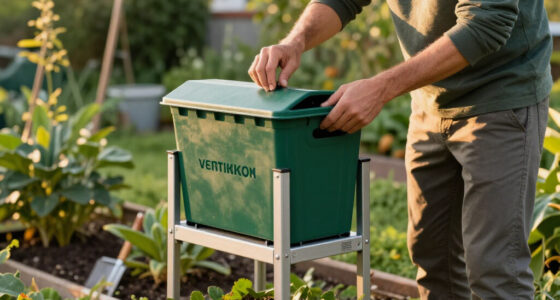
Are you looking for effective ways to reduce your water usage and protect this essential resource? Implementing simple strategies can make a significant difference, and one of the most practical methods is rainwater harvesting. By collecting rainwater from your roof or other surfaces, you can supplement your household water supply for outdoor tasks like watering plants or washing your car. Installing a rain barrel or a more advanced collection system allows you to capture and store rainwater efficiently. Not only does this reduce your dependence on municipal water, but it also helps decrease runoff that can cause erosion and water pollution. Rainwater harvesting is cost-effective and eco-friendly, making it an excellent addition to your water conservation efforts.
Rainwater harvesting is an eco-friendly way to save water and reduce runoff.
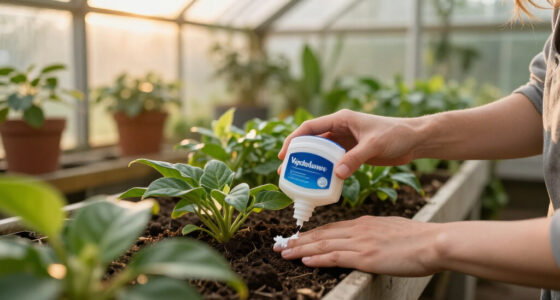
Alongside harvesting rainwater, developing a routine for leak detection is essential. Leaks, whether in toilets, faucets, or underground pipes, can waste a surprising amount of water over time. Regularly inspecting your plumbing fixtures helps you catch leaks early before they become major issues. Pay special attention to running toilets, which can silently waste hundreds of gallons daily. You can perform simple leak tests by placing a dye tablet or food coloring in the toilet tank; if color appears in the bowl without flushing, you’ve got a leak. For outdoor hoses and sprinkler systems, check for drips, wet spots, or soggy patches that could indicate leaks. Addressing leaks promptly not only conserves water but also prevents costly repairs and water bills.
Integrating water-efficient fixtures into your home can further enhance your water-saving efforts, providing long-term benefits and reducing your utility bills. Combining rainwater harvesting with vigilant leak detection creates a thorough approach to water conservation. For instance, collecting rainwater reduces your reliance on treated municipal water, while fixing leaks minimizes unnecessary waste from your existing plumbing. Both strategies are easy to implement and require minimal investment, yet they yield substantial savings in water use over time. You can also integrate smart water meters that monitor usage and alert you to unusual patterns, helping you identify leaks more quickly. Educating yourself about your household’s water habits and making small adjustments, like turning off taps when not in use or installing water-efficient fixtures, amplifies your efforts.
Ultimately, these proactive steps empower you to take control of your water consumption. Rainwater harvesting and leak detection are accessible, effective methods that contribute to environmental sustainability and reduce your utility bills. By adopting these practices, you not only help preserve this vital resource but also set an example for others in your community to follow. Protecting water is a shared responsibility, and even small changes can have a meaningful impact on securing clean, safe water for future generations.
As an affiliate, we earn on qualifying purchases.
Frequently Asked Questions
How Can I Conserve Water During Outdoor Activities?
You can conserve water during outdoor activities by collecting rainwater through rainwater harvesting, which reduces your dependence on tap water. Use drought-resistant plants in your garden to minimize watering needs. Water your plants early in the morning or late in the evening to reduce evaporation. Also, avoid overwatering and fix leaks promptly. These simple steps help save water and support sustainable outdoor practices.
Are There Specific Appliances That Use Less Water?
Yes, you can save water by choosing high-efficiency toilets, which use less water per flush, and dishwashers with good water-saving features. Look for appliances labeled with WaterSense or similar certifications, as they guarantee efficiency. Using these appliances wisely, like running full loads, maximizes savings. By upgrading to efficient toilets and dishwashers, you’ll reduce water use without sacrificing performance, making a meaningful impact on conservation efforts.
What Are the Best Low-Flow Fixtures for My Home?
Imagine you’re in a vintage speakeasy, but instead of cocktails, you’re upgrading your fixtures. Opt for low-flow toilet upgrades to save water effortlessly. When choosing showerheads, pick models with high flow rates yet low water usage—look for those labeled “WaterSense.” These fixtures reduce water waste, save you money, and still give you a satisfying shower experience. Your home will feel both modern and eco-friendly, just like a Gatsby party with a responsible twist.
How Does Water Conservation Impact My Utility Bills?
Water conservation substantially impacts your utility bills by reducing water usage, which leads to lower costs. When you use water wisely, you benefit from water pricing structures that charge less as your consumption decreases. As a result, you can enjoy bill reduction, saving money each month. Simple actions like fixing leaks and installing low-flow fixtures make a big difference in controlling your water expenses and promoting responsible resource use.
Can Water-Saving Techniques Be Implemented in Commercial Buildings?
Yes, you can implement water-saving techniques in commercial buildings. Focus on industrial leak prevention to stop wastage and improve efficiency. Upgrade to sprinkler systems that maximize efficiency with smart controls and regular maintenance. These steps help reduce water use, lower costs, and promote sustainability. By actively managing leaks and optimizing sprinkler systems, you guarantee your commercial space conserves water effectively and operates more efficiently.
As an affiliate, we earn on qualifying purchases.
Conclusion
By adopting simple water-saving habits, you become a drop in a vast ocean of change. Imagine if every person reduced their daily water use by just a gallon—together, we’d save billions of gallons annually. Think of water conservation like tending a garden; small, consistent efforts nurture a thriving, sustainable world. Your actions matter more than you realize—each drop counts. Start today, and watch how your small change can make a big splash.
water leak detection dye tablets
As an affiliate, we earn on qualifying purchases.
As an affiliate, we earn on qualifying purchases.
As an affiliate, we earn on qualifying purchases.
Fall yard work Picks
leaf blowers
As an affiliate, we earn on qualifying purchases.