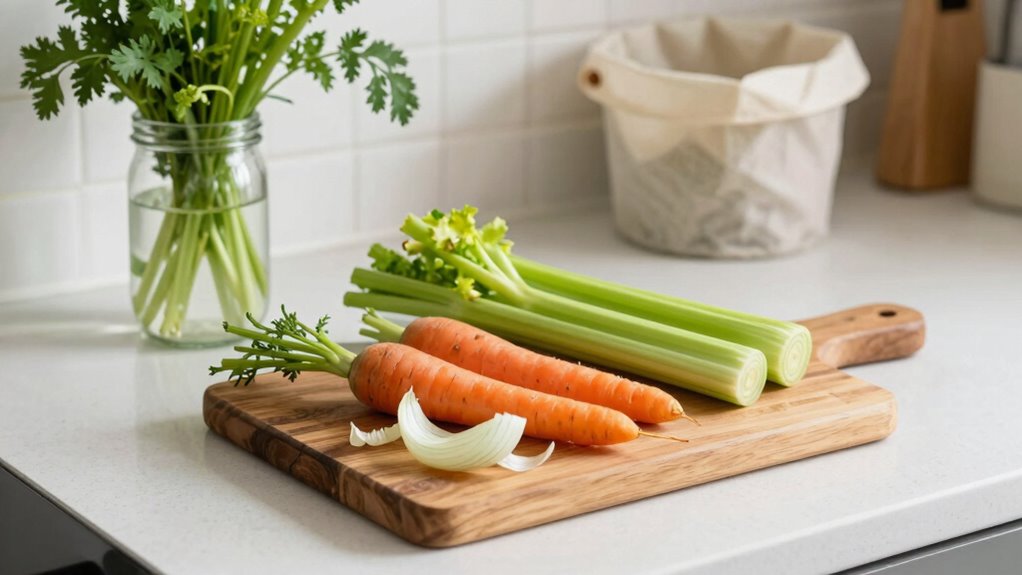

You can easily cut food waste by planning your meals each week and shopping only for what you need. Store fresh produce properly to extend its shelf life, and use leftovers creatively to avoid throwing food away. Label foods with dates to prioritize older items and keep your fridge organized. Small, consistent steps like these make a big difference without drastic changes. Keep exploring for simple tips to make your food management even smarter.

Get garden gear delivered free — and shop member deals
- Fast, free delivery on millions of items
- Access to Prime Big Deal Days deals on October 6–7
- Prime Video, Amazon Music and more included
Key Takeaways
- Plan meals weekly to buy only necessary ingredients, reducing impulse purchases and spoilage.
- Store perishables properly in airtight containers and at correct temperatures to extend freshness.
- Use leftovers creatively in new meals to minimize waste and maximize ingredient use.
- Label stored foods with dates to prioritize older items and prevent unnecessary expiration.
- Incorporate small, consistent habits like proper storage and meal planning to sustainably reduce food waste.
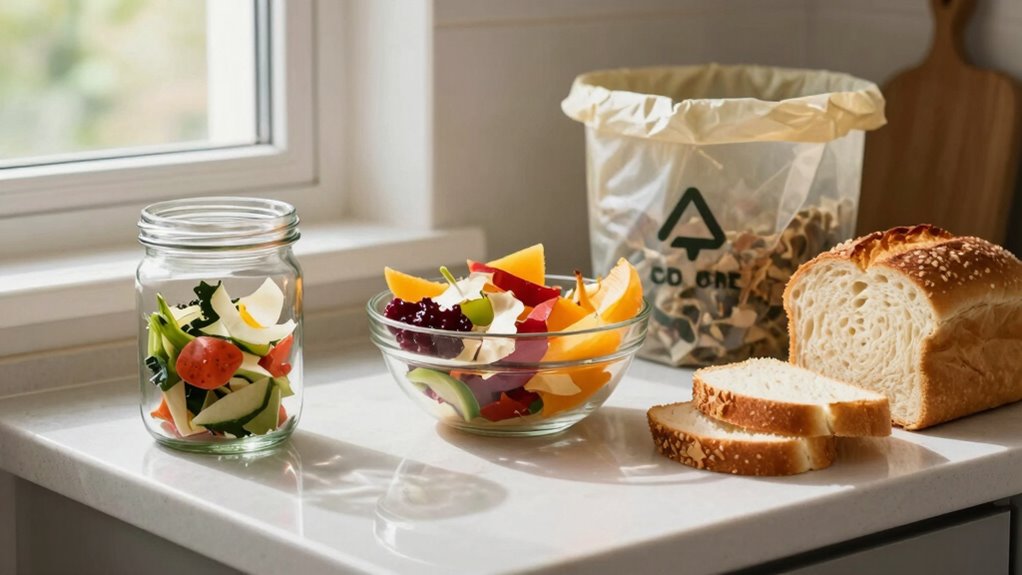
Are you looking for easy ways to reduce the food you waste? One of the most effective methods is to start with simple meal planning. By planning your meals for the week, you can buy only what you need, which prevents impulse purchases and reduces the likelihood of food going bad before you use it. Take a few minutes each week to jot down your meals and snacks. This way, you’ll know exactly what ingredients to buy and how much of each. It also helps you avoid last-minute trips to the store, where you might pick up items you don’t really need, increasing the chance of waste. When meal planning, consider using leftovers creatively. For example, yesterday’s roasted vegetables can become a filling in a wrap or a base for a soup tomorrow. This practice not only minimizes waste but also saves you money.
Proper storage is another key to keeping your food fresh longer. When you store your produce and perishables correctly, you extend their shelf life and cut down on spoiled food. Learn which items need to be refrigerated, which do best at room temperature, and how to keep fruits and vegetables separate to prevent ripening too quickly. For instance, storing berries in breathable containers prevents mold, while keeping leafy greens wrapped in a paper towel absorbs excess moisture. Use airtight containers for leftovers to prevent spoilage and keep food tasting fresh. Additionally, label your stored food with dates so you can prioritize using older items first. Proper storage isn’t complicated, but it makes a noticeable difference in reducing waste. Incorporating food storage tips can further enhance your efforts to keep food fresh and minimize waste.
Combining meal planning with proper storage creates a sustainable cycle. When you plan meals ahead, you buy only what’s necessary, and proper storage ensures those ingredients stay fresh until you’re ready to use them. This approach minimizes the chance of food expiring or spoiling before consumption. Over time, these habits become second nature, and you’ll notice your grocery bill shrink along with the amount of food you toss out. You don’t need to overhaul your entire approach to food; small, intentional steps like these can have a significant impact. By focusing on planning your meals thoughtfully and storing your food properly, you can cut down on waste without feeling overwhelmed or resorting to extreme measures. It’s about making smarter choices that benefit your wallet, your environment, and your health.
airtight food storage containers
As an affiliate, we earn on qualifying purchases.
As an affiliate, we earn on qualifying purchases.
Frequently Asked Questions
How Can I Start Reducing Food Waste With a Busy Schedule?
To reduce food waste with a busy schedule, start with simple meal planning. Dedicate a few minutes weekly to plan your meals, which helps you buy only what you need. Practice portion control to avoid leftovers, and store leftovers properly for later. Using these strategies, you can minimize waste without extra time or effort, making sustainable choices a natural part of your routine.
Are There Specific Foods That Are Easiest to Save From Waste?
Perishable foods like fruits, vegetables, dairy, and meats are easiest to save from waste because you can freeze or preserve them before they spoil. Pantry staples such as rice, beans, pasta, and canned goods have longer shelf lives, making them perfect for minimizing waste. You can also plan meals around these items, ensuring you use them before they expire, reducing overall food waste effortlessly without much effort or disruption.
What Are Creative Ways to Repurpose Leftovers?
You can get creative with leftovers by blending leftover smoothies into new drinks or popsicles for a invigorating treat. Turn stale bread into croutons, bread pudding, or breadcrumbs for future use. Repurpose cooked veggies into omelets, soups, or sauces. These simple ideas help you avoid waste, save money, and enjoy delicious, inventive meals while keeping sustainability in mind.
How Do I Track and Measure My Food Waste Reduction Progress?
To track and measure your food waste reduction progress, start with food waste monitoring by keeping a waste diary or using measurement tools like digital apps. Record what you throw away daily, noting quantities and types. Regularly review your data to identify patterns and improvements. This helps you stay motivated and adjust your habits effectively. Consistent tracking makes it easier to see your progress over time and stay committed to reducing waste.
Can Reducing Food Waste Save Money on My Grocery Bill?
Yes, reducing food waste can save you money on your grocery bill. By practicing meal planning, you buy only what you need, minimizing impulse purchases and leftovers. Composting tips help you reuse food scraps, reducing disposal costs and enriching your garden instead. These small changes lower your overall spending, making your grocery shopping more efficient and eco-friendly, all while helping you save money and reduce waste effectively.
reusable silicone food storage bags
As an affiliate, we earn on qualifying purchases.
As an affiliate, we earn on qualifying purchases.
Conclusion
By embracing small, practical steps like meal planning and proper storage, you’ll find yourself reducing food waste effortlessly. It’s funny how a simple change in how you handle leftovers can unexpectedly save money and help the environment. Sometimes, the tiniest effort makes the biggest difference—like finding that forgotten apple in the fridge just when you needed a snack. So go ahead, try these easy tips; you might be surprised at how natural waste reduction becomes part of your daily routine.
As an affiliate, we earn on qualifying purchases.
produce storage containers for berries
As an affiliate, we earn on qualifying purchases.
As an affiliate, we earn on qualifying purchases.
Fall Picks
fall essentials
As an affiliate, we earn on qualifying purchases.