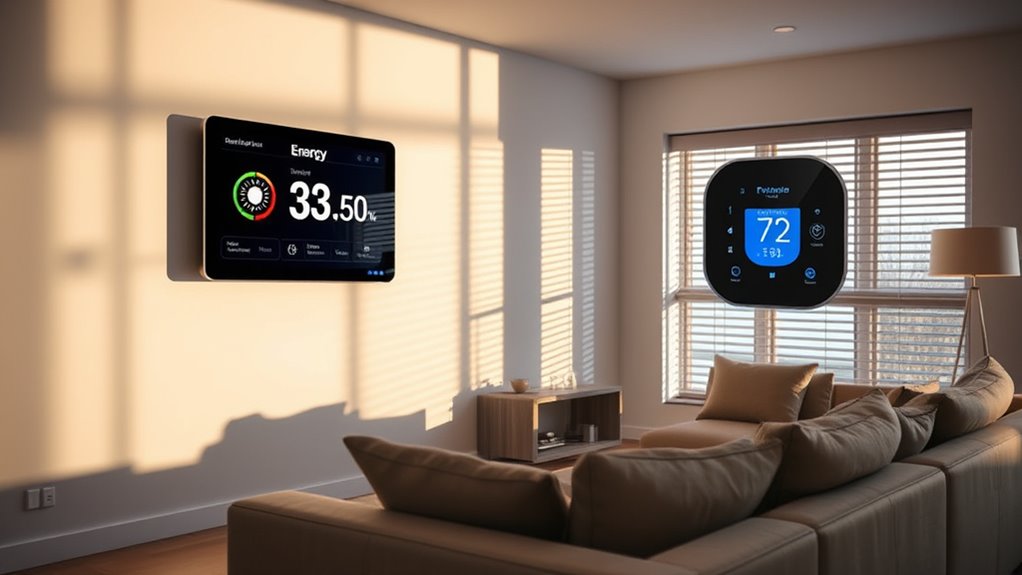

Smart home innovations help you save energy effortlessly by automating lighting, heating, and appliances through intelligent systems. You can automatically adjust brightness based on occupancy or time of day, control devices with voice commands, and monitor your energy use in real time. These solutions not only reduce waste but also lower your bills and carbon footprint. Keep exploring to discover how integrating these technologies can make your home smarter and more sustainable.
Key Takeaways
- Automated lighting systems adjust brightness based on occupancy and time, reducing unnecessary energy consumption.
- Voice-controlled devices enable hands-free management of appliances and lighting, enhancing efficiency and convenience.
- Learning systems adapt settings like lighting and temperature to user habits, optimizing energy use automatically.
- Real-time energy monitoring provides insights to identify waste and promote smarter energy-saving decisions.
- Combining automation and smart controls fosters sustainable homes, lowering carbon footprints through effortless energy management.

Have you ever wondered how technology is transforming the way we live at home? Today, smart home innovations are making it easier than ever to save energy while enhancing your everyday comfort. One of the most noticeable changes is the integration of energy-efficient lighting systems. These systems automatically adjust brightness based on the time of day or occupancy, so you’re not wasting electricity when rooms are empty. LED bulbs, paired with smart controls, consume a fraction of the energy traditional bulbs do, reducing your overall power bill. You can set schedules or let sensors detect when someone enters or leaves a room, ensuring lighting is only on when needed. This not only conserves energy but also extends the lifespan of your light bulbs, saving you money in the long run.
Another game-changer in smart home innovation is the use of voice-controlled devices. These gadgets, like smart speakers and virtual assistants, allow you to manage various household functions hands-free. Imagine telling your device to turn off the lights, lower the thermostat, or even start your coffee maker without lifting a finger. Voice commands make controlling your home effortless, especially when your hands are full or when you’re relaxing on the couch. Plus, these devices can be programmed to work with your energy-efficient lighting and other smart systems, creating a seamless, integrated experience that maximizes energy savings. For example, you might set your voice-controlled device to turn off all lights and electronics when you say, “Goodnight,” ensuring no devices are wasting energy overnight.
Voice-controlled devices enable effortless home management and maximize energy savings with simple commands.
Smart home systems also learn your habits over time, optimizing energy use without you having to think about it. They can automatically adjust settings based on your routines, like dimming lights during movie nights or raising the temperature when you arrive home. These intelligent adjustments help reduce unnecessary energy consumption while maintaining your comfort. Additionally, many systems provide real-time energy usage reports, so you can see exactly how much energy you’re saving and identify further opportunities for efficiency.
The combination of energy-efficient lighting and voice-controlled devices creates a home that’s not only smarter but also more sustainable. You get the convenience of controlling everything with simple commands while actively reducing your carbon footprint. As these technologies continue to evolve, expect even more innovative solutions that make saving energy effortless and intuitive. Embracing these smart home innovations means you’re not just upgrading your lifestyle—you’re contributing to a greener, more efficient future.
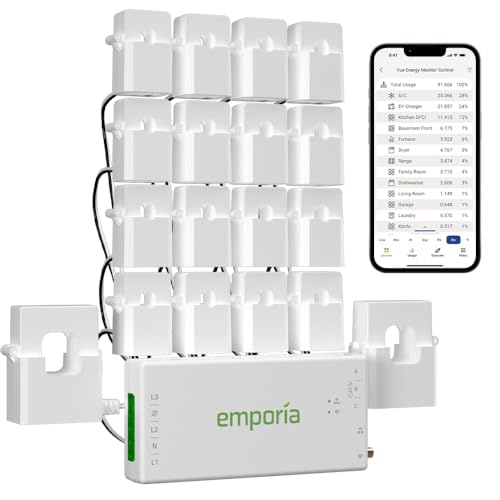
Emporia Vue 3 Home Energy Monitor – Smart Home Automation Module and Real Time Electricity Usage Monitor, Power Consumption Meter, Solar and Net Metering for UL Certified Safe Energy Monitoring
SAFETY YOU CAN TRUST WITH UL CERTIFICATION: With Emporia Energy, your home energy monitoring is safe, reliable, and…
As an affiliate, we earn on qualifying purchases.
As an affiliate, we earn on qualifying purchases.
Frequently Asked Questions
How Secure Are Smart Home Automation Systems From Hacking?
Smart home automation systems have some cybersecurity concerns, but you can enhance their security by using strong, unique passwords and regularly updating firmware. While no system is completely immune to hacking, implementing privacy protection measures, like two-factor authentication and secure Wi-Fi networks, substantially reduces risks. Staying vigilant and aware of potential vulnerabilities helps guarantee your smart home remains safe and your personal information stays private.
What Is the Typical Cost of Installing Smart Home Energy Systems?
The typical cost of installing smart home energy systems ranges from $1,500 to $5,000, depending on your home’s size and the complexity of the setup. You should do a cost analysis to understand potential savings. Installation fees usually include equipment and professional setup, which can vary. By weighing these costs against energy savings, you can decide if the investment makes sense for your home and budget.
Can Existing Homes Be Easily Upgraded With Smart Automation?
Like Da Vinci’s art, upgrading your home with smart automation is highly customizable. You can retrofit compatibility with most existing systems, making upgrades straightforward. Many devices are designed for user customization, allowing you to tailor automation to your lifestyle. While some wiring or hardware adjustments might be needed, most homes can be efficiently upgraded without extensive renovations, giving you smart control over your energy use and comfort.
How Do Smart Systems Adapt to Changing Seasonal Energy Needs?
Smart systems adapt to changing seasonal energy needs through seasonal energy optimization and adaptive climate control. As seasons shift, your smart system detects temperature and humidity changes, automatically adjusting your thermostat and blinds to maintain comfort efficiently. This dynamic adjustment reduces energy waste and saves money. You simply set your preferences, and the system continuously learns and optimizes, ensuring your home stays comfortable year-round while minimizing energy consumption.
What Maintenance Is Required for Long-Term Smart Home System Performance?
To keep your smart home system performing well long-term, you should regularly check batteries in devices like sensors and remote controls, ensuring they don’t run out unexpectedly. Additionally, keep your system’s software updated to benefit from the latest features and security patches. By staying proactive with battery checks and software updates, you’ll maintain peak performance and energy efficiency, making your smart home more reliable and effective over time.

DAYBETTER 100 ft Smart WiFi Led Lights, Led Strip Lights Work with Alexa and Google Assistant, App Voice Remote Control Music Sync Color Changing RGB Strip Lighting for Bedroom Room Decor, 50 ft *2
Hands-Free Voice Control: Smart led strip lights work great with Alexa and Google Assistant, you can effortlessly control…
As an affiliate, we earn on qualifying purchases.
As an affiliate, we earn on qualifying purchases.
Conclusion
By embracing smart home innovations, you can substantially cut energy costs and reduce your carbon footprint. Did you know that automated systems can save homeowners up to 30% on energy bills? With features like smart thermostats and automated lighting, you’re not only making life more convenient but also more eco-friendly. So, consider upgrading your home today—it’s a smart move for your wallet and the planet.

Amazon Basics Smart A19 LED Light Bulb, Color Changing, 9W (60W Equivalent), 800LM, Works with Alexa Only, 2.4 GHz Wi-Fi, No Hub Required, Energy Saving, 4-Pack
SMART UPGRADE FOR CONVENIENCE AND ENERGY EFFICIENCY : Control your Amazon Basics smart light bulbs using your voice…
As an affiliate, we earn on qualifying purchases.
As an affiliate, we earn on qualifying purchases.

The Automated Lighting Programmer's Handbook
As an affiliate, we earn on qualifying purchases.
As an affiliate, we earn on qualifying purchases.