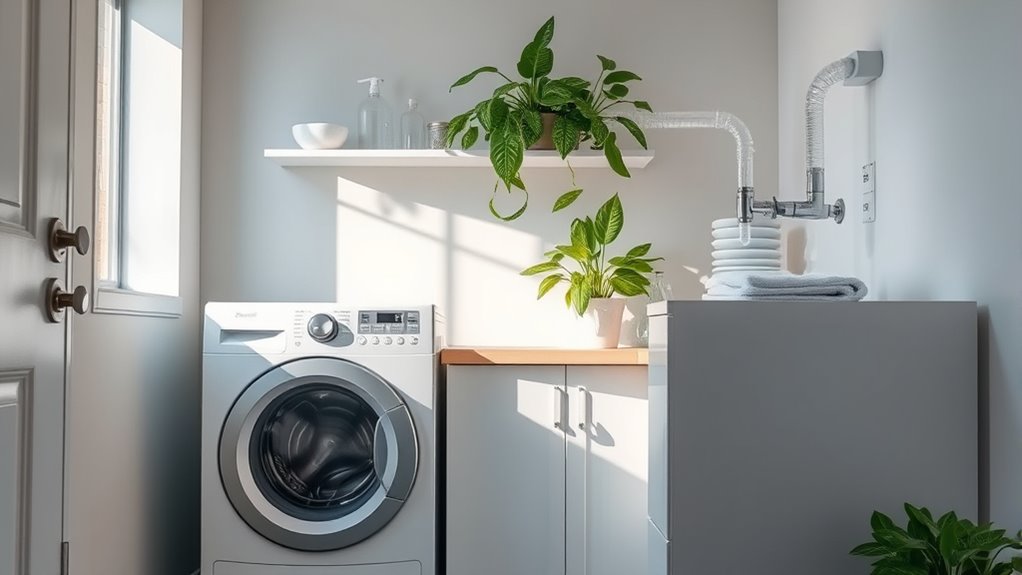

Reusing greywater from activities like handwashing, dishwashing, and laundry can be safe and eco-friendly when you filter it properly and follow local plumbing rules. Install simple filters such as gravel or sand to remove debris, hair, and soap residues. Use biodegradable detergents to avoid chemicals, and make sure your system is correctly connected and labeled. Want to keep your greywater system safe and efficient? Continue to explore more tips and best practices.

Get garden gear delivered free with Prime
- Fast, free delivery on millions of items
- Prime Video, Amazon Music and more included
- Member-only deals all year
Key Takeaways
- Use proper filtration methods like gravel and sand to remove debris and soap residues before reuse.
- Select biodegradable, low-sodium detergents to minimize contamination and maintain water quality.
- Install backflow preventers and label greywater lines clearly to prevent cross-contamination with potable water.
- Regularly inspect and maintain filters and plumbing components for safe, odor-free greywater reuse.
- Follow local codes and obtain necessary permits to ensure legal, safe, and compliant greywater system operation.
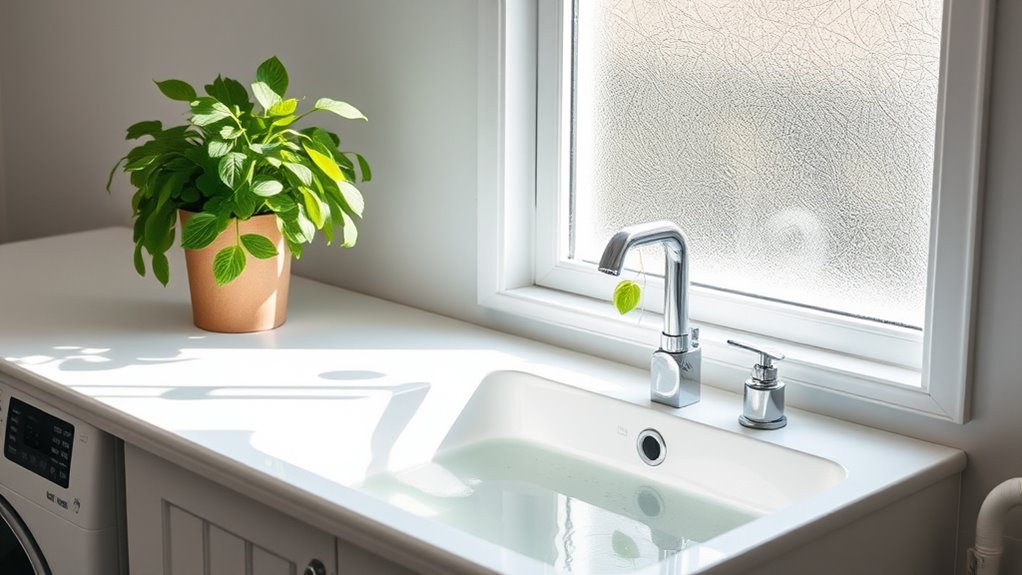
Greywater, the wastewater generated from activities like handwashing, dishwashing, and laundry, is often overlooked as a valuable resource. Instead of letting it go down the drain, you can reuse this water for landscaping or other non-potable purposes, reducing your overall water consumption. However, before diving into greywater reuse, it’s vital to understand the significance of proper water filtration to prevent any debris or contaminants from clogging your plumbing system or causing health issues. Installing appropriate filters ensures that solids, hair, and soap residues are removed, keeping your greywater system efficient and safe.
Equally important is being aware of plumbing regulations in your area. Local codes often have specific guidelines about greywater systems, including what type of systems are permitted and how they should be installed. Some jurisdictions require permits or inspections to guarantee that greywater doesn’t contaminate potable water supplies or create health hazards. You should always consult your local building department or plumbing authority before setting up a greywater reuse system. This way, you avoid costly fines or the need to dismantle an improperly installed system later on.
When designing your greywater setup, focus on compliance with these plumbing regulations and selecting the right filtration methods. Many DIY enthusiasts opt for simple gravel and sand filters or commercial greywater treatment units that include multiple stages of filtration. These systems can effectively remove soap scum, hair, and other particles, making the water suitable for outdoor irrigation or toilet flushing. Keep in mind that some soaps and cleaning products are more greywater-friendly than others, so choosing biodegradable, low-sodium detergents will help maintain the health of your plants and soil.
As you plan your greywater reuse, make sure your plumbing connections are secure and clearly labeled. Separate the greywater lines from your potable water supply to prevent cross-contamination. Proper backflow prevention devices are also vital to ensure greywater doesn’t flow back into your clean water lines, especially if your system is connected to irrigation. Regular maintenance and inspection of filters and pipes will keep your system running smoothly and prevent potential issues down the line. Additionally, researching retail hours can help you find local stores that carry greywater treatment supplies and components more conveniently.
As an affiliate, we earn on qualifying purchases.
Frequently Asked Questions
Is Greywater Reuse Legal Everywhere?
You might wonder if greywater reuse is legal everywhere. Legal restrictions and regional regulations vary widely; some areas encourage greywater systems for water conservation, while others have strict rules due to health concerns. Before you set up a greywater system, check local laws and regulations to make sure you’re compliant. Ignoring these rules could lead to fines or other issues, so always do your research first.
How Much Does Greywater System Installation Cost?
Imagine building a mini water park in your backyard—minus the slides, just pipes. Greywater system installation costs vary, but you should contemplate the cost comparison and installation considerations carefully. Expect expenses from a few hundred to a few thousand dollars, depending on system complexity. You’ll want to evaluate your home’s plumbing, local regulations, and maintenance needs to ensure you don’t splash out more than necessary.
Can Greywater Be Used for Drinking?
You shouldn’t use greywater for drinking because it requires thorough greywater purification to meet safety standards. While advanced systems enable potable reuse, they involve rigorous treatment processes that eliminate contaminants. Without proper purification, greywater can carry bacteria and chemicals, posing health risks. So, unless your system is designed specifically for potable reuse and meets all safety regulations, it’s best to avoid drinking greywater and stick to clean, potable water sources.
What Are Common Greywater System Types?
You’ll find several common greywater system types, each with unique system design and greywater filtration methods. Gravity-fed systems are simple and rely on natural flow, while pump-driven setups are more flexible. Some systems use filtration to remove debris, ensuring safe reuse, especially in irrigation. Recognizing these options helps you choose the right system design for your needs, maximizing greywater reuse efficiently and safely around your home.
How Often Should Greywater Systems Be Maintained?
Think of your greywater system as a garden needing regular care; neglect leads to problems. You should perform system maintenance every three to six months, following the frequency guidelines for your setup. Regular checks ensure everything functions properly, prevent clogs, and keep water quality safe. Staying consistent with maintenance not only prolongs your system’s life but also keeps your household water reuse safe and effective.
As an affiliate, we earn on qualifying purchases.
Conclusion
So, now you’re practically a greywater guru, ready to turn your household waste into a eco-friendly marvel—without making your neighbors faint. Just remember, while reusing water is noble, a splash of common sense keeps you from crossing into the domain of the grossly irresponsible. With a dash of caution and a sprinkle of sophistication, you can enjoy the environmental perks without becoming the star of the next household horror story. Cheers to sustainable living—minus the gross-out factor!
As an affiliate, we earn on qualifying purchases.
As an affiliate, we earn on qualifying purchases.
Fall Picks
fall essentials
As an affiliate, we earn on qualifying purchases.