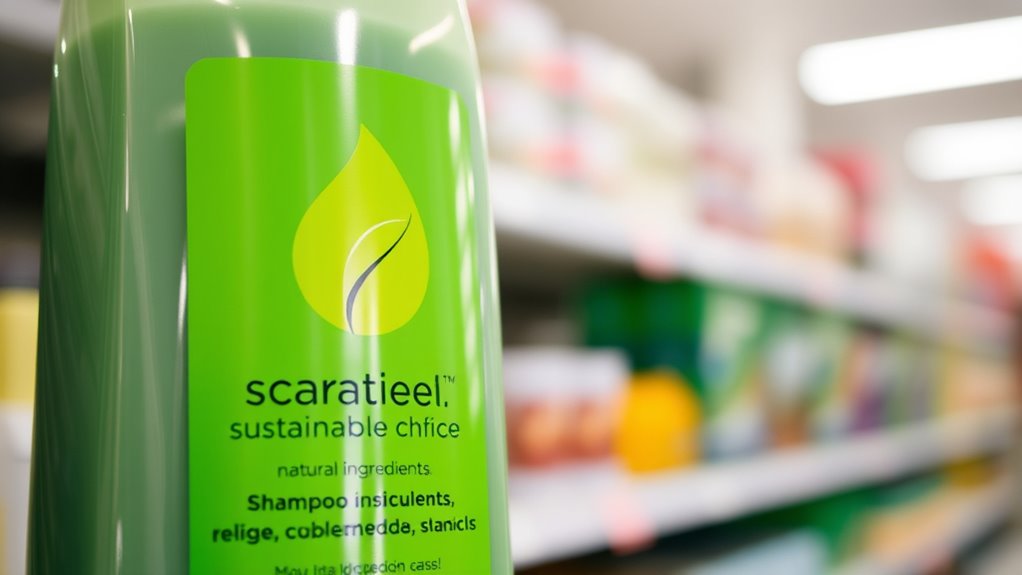

Watch out for vague claims like “eco-friendly” or “natural” without proof, as these often hide greenwashing. Check for recognized certifications such as USDA Organic or Fair Trade; they provide outside validation. Be cautious of labels emphasizing one eco aspect while ignoring harmful practices elsewhere. Scrutinize claims for evidence, and research a company’s overall sustainability. Staying alert to these red flags helps you spot eco-claims you shouldn’t trust and understand the full story behind products.

Get garden gear delivered free with Prime
- Fast, free delivery on millions of items
- Prime Video, Amazon Music and more included
- Member-only deals all year
Key Takeaways
- Be skeptical of vague terms like “eco-friendly” or “natural” without specific evidence or standard definitions.
- Check for recognized certifications such as USDA Organic, Fair Trade, or B Corp to verify credibility.
- Watch out for labels emphasizing one eco-friendly aspect while ignoring other harmful practices.
- Verify the legitimacy of claims by researching the certifying organization and its standards.
- Avoid products with broad or unsupported claims, and consider the company’s overall environmental record.
Greenwashing can be tricky to spot, especially when companies make their sustainability claims seem convincing. Many brands use vague language or buzzwords like “eco-friendly” or “green” without backing them up. To really understand whether a product is genuinely sustainable, you need to look beyond these claims. One of the most reliable indicators is whether the product has recognized sustainable certifications. These certifications, issued by independent organizations, set specific standards that companies must meet to earn their label. Examples include certifications like USDA Organic, Fair Trade, or B Corp. When you see these on a product, it’s a sign that an external body has verified the company’s sustainability efforts, making it less likely that the claim is just empty marketing.
However, beware of misleading labeling, which companies often use to create a false impression of eco-friendliness. Misleading labeling can be subtle, like using the word “natural” on products that contain synthetic ingredients, or claiming “biodegradable” without clarifying the conditions under which the product breaks down. Sometimes, labels highlight a single eco-friendly aspect while ignoring harmful practices elsewhere in the supply chain. For example, a product might boast about its recycled packaging but still rely on unsustainable sourcing for its raw materials. This manipulation of labels can make consumers believe they’re making a responsible choice when, in fact, the product doesn’t meet extensive sustainability standards. Recognizing these tactics requires understanding what sustainability standards truly entail and how they are verified.
To avoid falling for greenwashing, you should scrutinize the claims closely. Look for details about the sustainability standards involved and check whether the product’s certifications are legitimate and recognized. Don’t be swayed by vague or overly broad claims like “green” or “sustainable,” especially if they lack supporting evidence. Also, research the company’s overall environmental record, not just the specific product. Many companies that tout sustainability on one item may have questionable practices elsewhere in their operations.
Products Worth Considering

Sonos Era 100 Wireless Smart Speaker, Black

Shark Navigator Robot Vacuum with Self-Empty Base, Dark Grey (RV2120AE)

Google Nest Doorbell (Wired, 2nd Gen) – Snow
As an affiliate, we earn on qualifying purchases.
Frequently Asked Questions
How Can Consumers Verify a Company’s Environmental Claims?
To verify a company’s environmental claims, you should look for credible evidence like sustainable certifications and transparency practices. Check if they share detailed reports or third-party audits, which show their commitment to genuine sustainability. Be wary of vague language—trust companies that openly communicate their eco-friendly efforts. Doing your research helps ensure you’re supporting brands that truly prioritize the environment, not just greenwashing.
Are There Any Government Regulations Against Greenwashing?
You might wonder if there are government regulations against greenwashing. While some rules exist, regulatory gaps and enforcement challenges can make it hard to hold companies accountable. Agencies often lack resources or clear standards, so false eco-claims can slip through. It’s important for you to stay vigilant, as official regulations may not catch every instance of greenwashing. Your awareness helps push for better oversight and more effective enforcement.
What Are Common Tactics Used in Greenwashing?
You might notice greenwashing uses tactics like catchy slogan tactics to create a false eco-friendly image. Packaging tricks often highlight vague claims or use nature-inspired visuals to suggest sustainability. Sometimes, companies rely on buzzwords like “green” or “natural” without proof. These strategies aim to deceive you into thinking a product is eco-conscious, so it’s crucial to scrutinize labels and seek transparent, verified information rather than trusting superficial green claims.
Can Small Businesses Successfully Avoid Greenwashing Accusations?
You can’t underestimate how essential it is for small businesses to master eco-labeling standards and supply chain transparency. By openly sharing your sustainable practices and adhering to recognized standards, you build trust and avoid greenwashing accusations. Staying honest and clear about your eco-claims demonstrates integrity, setting you apart from larger companies that might exaggerate their claims. Your commitment to transparency shows customers you’re genuinely eco-conscious, giving your brand authentic credibility in a competitive market.
How Does Greenwashing Impact Consumer Trust Long-Term?
You might find that greenwashing erodes your long-term trust in a brand because it undermines corporate accountability. When companies make false eco-claims, you become skeptical of their motives, which damages brand loyalty. Over time, this skepticism can lead you to choose more transparent brands, making greenwashing a risky strategy for businesses trying to build genuine relationships. Ultimately, maintaining honesty fosters trust and strengthens your loyalty.
Conclusion
Stay vigilant and question what you see—green claims are often like shiny mirrors, reflecting only what’s appealing. Just because something sparkles with eco-friendly language doesn’t mean it’s truly sustainable. Think of greenwashing red flags as cracks in the glass; they reveal the truth beneath the surface. By learning to spot these signs, you become a lighthouse guiding others through foggy waters, ensuring you steer clear of deception and champion genuine environmental efforts.