TL;DR

Get garden gear delivered free with Prime
- Fast, free delivery on millions of items
- Prime Video, Amazon Music and more included
- Member-only deals all year
Recent gardening trends suggest pine needles may dangerously acidify soil, but experts confirm that, when used properly, they do not harm soil pH levels. This clarification aims to help gardeners avoid misconceptions.
Experts confirm that **pine needles do not significantly acidify soil** when used as mulch or compost, countering widespread gardening myths. This clarification is important for gardeners concerned about soil health and pH balance, especially as interest in natural mulching materials increases.
Recent online trends and gardening forums have seen a spike in questions about whether pine needles can make soil dangerously acidic. Many gardeners worry that the acidity of pine needles could harm plants or alter soil chemistry, leading to misconceptions about their safety and suitability for mulching.
According to soil scientists and horticultural experts, **pine needles are only mildly acidic** and, when used as mulch, they decompose slowly, releasing nutrients gradually without significantly lowering soil pH. The misconception that they can cause harmful acidity appears to stem from the natural resin and chemical compounds in pine needles, which are often misunderstood.
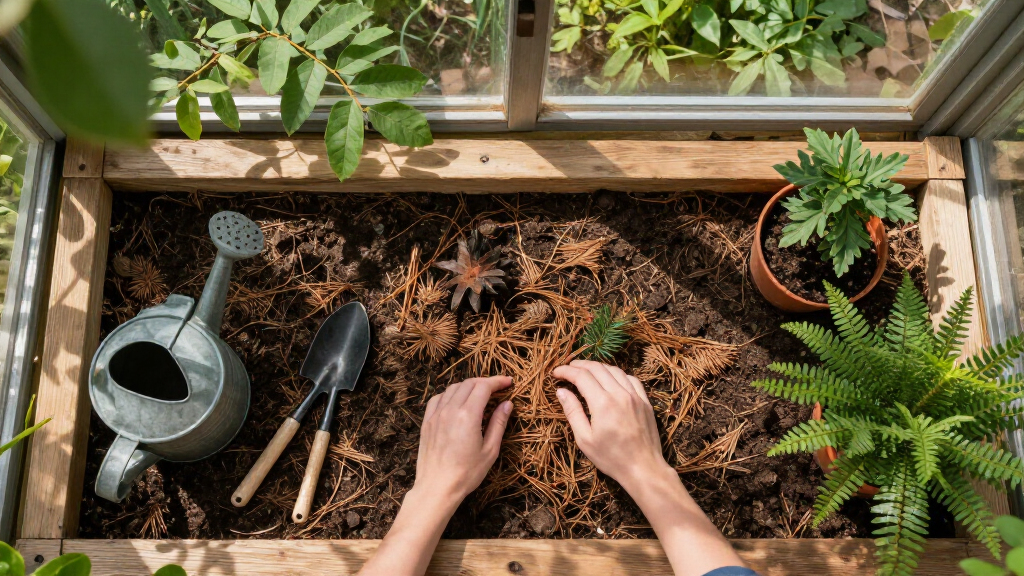
Research indicates that the **actual impact on soil pH is minimal**. A typical pine needle mulch, applied in recommended quantities, does not change the soil’s pH enough to harm most plants. In fact, some studies suggest that pine needles can help conserve moisture and suppress weeds without adversely affecting soil chemistry.
Clarifying Pine Needles’ Effect on Soil pH
This clarification is significant because many gardeners avoid using pine needles, fearing they will harm their soil or plants. Misinformation could lead to unnecessary waste or missed opportunities for natural mulching. Understanding that pine needles are safe and beneficial when used properly can encourage more sustainable gardening practices.
Moreover, dispelling this myth helps prevent gardeners from overusing or improperly applying pine needles, which could potentially cause localized acidity issues if applied excessively. Proper knowledge supports healthier soil management and plant growth.
As an affiliate, we earn on qualifying purchases.
Origins of the Pine Needle Soil Acidification Myth
The belief that pine needles significantly acidify soil has circulated for decades, partly based on the natural acidity of pine needles and the acidic nature of pine forests. Historically, some gardeners observed that pine forests grew on acidic soils and assumed the needles contributed directly to soil acidity.
However, scientific studies show that the **acidic nature of pine needles is limited to their surface** and that decomposition releases only small amounts of organic acids. The overall effect on soil pH is negligible unless large quantities are used continuously over long periods. Recent interest in organic and natural gardening has revived this myth, prompting more research and clarification.
While pine needles are often recommended as mulch for acid-loving plants like blueberries, they are not inherently dangerous to other plants or soils when used appropriately.
As an affiliate, we earn on qualifying purchases.
Unconfirmed Aspects of Pine Needles’ Long-Term Effects
It is not yet clear whether prolonged, excessive use of pine needles in specific soil types could lead to localized acidity issues, especially in highly sensitive plants. More long-term studies are needed to confirm any subtle effects over time.As an affiliate, we earn on qualifying purchases.
Further Research and Practical Guidelines for Gardeners
Researchers plan to conduct long-term studies on pine needle mulch effects across different soil types. Meanwhile, experts recommend using pine needles in moderation and monitoring soil pH periodically to ensure optimal plant health. Gardeners are encouraged to follow established mulching guidelines and avoid overapplication.As an affiliate, we earn on qualifying purchases.
Key Questions
Can I use pine needles as mulch for all types of plants?
Yes, but they are especially suitable for acid-loving plants. For other plants, use in moderation and monitor soil pH to prevent unintended acidity changes.
How much pine needle mulch is safe to use?
Applying a 2-3 inch layer around plants is generally safe. Avoid excessive buildup over multiple seasons without soil testing.
Will pine needles harm my garden soil?
No, when used properly, pine needles do not harm soil. They decompose slowly and can improve moisture retention and weed suppression.
Should I test my soil pH after using pine needles?
It is advisable, especially if you use large quantities or have sensitive plants. Regular testing helps maintain optimal soil conditions.
Are pine needles better than other mulches?
They are comparable to other organic mulches in benefits, but their acidity is often misunderstood. Choose mulch based on your plants’ needs and local soil conditions.
Source: rss
Halloween Picks
halloween
As an affiliate, we earn on qualifying purchases.