
TL;DR
A Grow Organic guide explains that sphagnum peat moss can help potting mixes retain moisture but provides few nutrients and is usually acidic. It advises gardeners to choose it for a specific purpose, test mixes before scaling up, and weigh alternatives against peatland impacts.
A Grow Organic gardening guide outlines how sphagnum peat moss affects moisture, aeration and acidity in containers and garden soil, while warning that it is not a complete fertilizer or a universal soil fix. The report recommends testing the growing medium and defining a specific goal before adding peat, and notes that harvesting can disturb peatlands that store carbon and support distinctive habitats.

Get garden gear delivered free with Prime
- Fast, free delivery on millions of items
- Prime Video, Amazon Music and more included
- Member-only deals all year
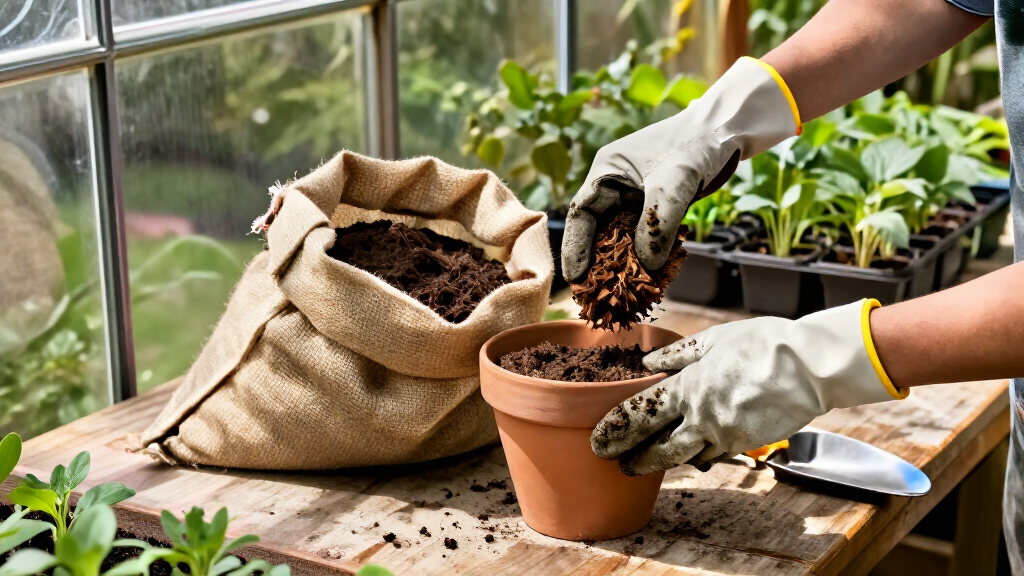
Peat forms as plant remains accumulate and decay slowly in wet, low-oxygen conditions; deposits may take thousands of years to develop. Commercial sphagnum peat moss comes mainly from partly decayed sphagnum plants, is sold dried and often compressed, and loosens into a brown material when unpacked. The guide distinguishes it from compost, which is made through managed decay of materials such as leaves and plant scraps, and from long-fiber sphagnum moss, which is a different product used for purposes such as orchid mixes and propagation.
In growing media, peat can hold water and help retain moisture in sandy soils or container blends. Combined with coarse ingredients such as perlite, it can contribute to a balance of moisture and air space. But water retention does not guarantee healthy drainage: a soggy mix can limit oxygen around roots. Peat can also hold some nutrient ions, but the guide stresses that this does not make it a sufficient source of plant nutrition. Gardeners still need an appropriate feeding plan.
Unamended sphagnum peat is typically acidic, around pH 3.8–4.5, though packaged mixes may include lime to adjust acidity for intended plants. The pH of a finished blend depends on the starting soil, the proportion of peat, other ingredients and irrigation water. The guide says peat is not a precise treatment for alkaline soil and recommends testing before making repeated additions. There is no single amount that works for every bed or container.
Getting Moisture and pH in Balance
Choosing a growing medium affects whether roots receive a workable balance of water and oxygen. Adding peat without checking what a mix already contains can make it retain too much moisture or shift its acidity. Many bagged potting mixes may already include peat, so gardeners are advised to read the label before adding more.
The material’s limits matter as much as its benefits. Peat supplies few nutrients, and very dry peat can resist rewetting, leaving dry pockets if it is not moistened thoroughly before planting. A large amount added to a bed also will not correct standing water, poor grading or compacted subsoil. For home gardeners, the practical takeaway is to match amendments to a diagnosed need rather than treating one ingredient as a general remedy.
There is also an environmental consideration: peatlands store carbon and support specialized habitats, and extraction disturbs those systems. The guide says peat forms too slowly to be considered renewable on a human timescale. Its use therefore involves both gardening performance and the impacts associated with sourcing.
Products Worth Considering

Philips Hue Bridge Pro Smart Lighting Hub, 1-Pack

TCL 75-Inch QM8L Series 4K QLED Smart Google TV

Bose TV Speaker Compact Soundbar with Bluetooth and HDMI-ARC, Black
As an affiliate, we earn on qualifying purchases.
Peat, Moss and Growing Mixes
The term “peat moss” can be confusing because products with similar names are not interchangeable. Sphagnum peat moss is partly decayed plant material; sphagnum moss may instead refer to living plants or dried, intact fibers. Those fibers can be used in some orchid mixes and propagation projects, while peat is commonly blended into seed-starting and container media. The guide advises reading product labels to identify the material.
Peat’s properties also depend on what is mixed with it. Perlite can add air space, while lime in a packaged medium can raise pH. To check a blend, the guide suggests moistening dry peat gradually, breaking up clumps, and preparing a single test pot before mixing a larger batch. Water the pot and observe whether the mix wets evenly and excess water drains through the holes.
For garden beds, the guide recommends starting with a soil test and a clear moisture objective; it says mature compost is often a more useful choice for improving ordinary beds. Coconut coir, composted bark and wood fiber are among the alternatives named. They have their own tradeoffs, including differences in quality, salts, processing and transport, so the source does not present any one substitute as universally preferable.
““Peat moss is a common ingredient in seed trays and containers. It helps mixes retain moisture, but it is not a complete plant food or a cure for every soil problem.””
— Grow Organic guide
Results Depend on the Whole Mix
The guide does not prescribe a single peat-to-soil ratio or quantify the effects of particular products on yields, water use or costs. Results depend on the starting soil or potting medium, plant requirements, other ingredients, irrigation and drainage. Its recommendations are general gardening guidance, not a product-specific test of every peat or alternative material.
The source also does not provide figures for the extent of peatland disturbance or compare the environmental footprints of peat with coir, bark or wood fiber. It identifies relevant tradeoffs but leaves their scale and relative impact unspecified. Gardeners should check product labels and local soil-testing recommendations when making decisions for a particular site.
Test Before Making a Larger Mix
The practical next step is to identify the problem first—for example, a container drying too quickly—then check the existing mix and test any change in a single pot. Moisten dry peat gradually, use a blend suited to the crop, and confirm that water moves through the container. Follow the product directions for packaged materials such as peat pellets.
For beds, use a soil test and local recommendations before adjusting pH or adding a large volume of amendment. Gardeners comparing peat with coir, mature compost, composted bark or wood fiber should weigh plant needs, drainage and sourcing considerations. The guide offers no new policy or industry milestone; its advice is to evaluate the finished growing system rather than assume one ingredient will solve every problem.
Key Questions
What does peat moss do in a potting mix?
Sphagnum peat moss retains moisture and can be blended with coarser ingredients to balance water retention and air space. It provides few nutrients, so plants still need an appropriate feeding plan.
Is peat moss the same as sphagnum moss?
No. Peat moss is partly decayed plant material, while sphagnum moss may mean living moss or dried, intact fibers. The fibers and peat have different uses, so check product labels.
How much peat moss should I add to soil?
There is no universal amount. The right blend depends on the soil, drainage, plants and other ingredients. The guide recommends testing the soil and trying a small batch before making a larger mix.
What are the downsides of peat moss?
Peat is usually acidic, low in nutrients and sometimes difficult to rewet after drying. Harvesting can also disturb peatlands that store carbon and support specialized habitats.
What can gardeners use instead of peat moss?
The guide names coconut coir, mature compost, composted bark and wood fiber as alternatives to compare. Each has tradeoffs, and the best choice depends on the crop, growing conditions and material quality.
Source: rss