
Calculating your carbon footprint helps you understand where your greenhouse gas emissions come from and which areas to target for reductions. By using online calculators, you can identify key sources like transportation or energy use and take steps like switching to renewable energy, walking more, or carpooling. Small changes add up over time to make a big difference. Keep exploring ways to improve your impact and make smarter choices for a greener future.
Key Takeaways
- Use online tools to estimate your total greenhouse gas emissions from various sources.
- Identify major emission contributors like transportation or energy use to prioritize reduction efforts.
- Adopt sustainable transportation options such as walking, biking, carpooling, or using public transit.
- Transition to renewable energy sources, including installing solar panels or choosing green energy plans.
- Make small lifestyle changes and continuously assess your footprint for ongoing environmental impact improvements.

Understanding your carbon footprint is the first step toward making meaningful environmental changes. When you assess how much greenhouse gas you emit, you gain clarity on areas where you can make impactful adjustments. One of the most effective ways to lower your footprint is by shifting to renewable energy sources. Instead of relying solely on fossil fuels, consider installing solar panels or choosing green energy plans from your utility provider. These steps reduce your carbon emissions and promote cleaner, sustainable energy production. Additionally, embracing renewable energy isn’t just about your home; it extends to your community and the broader grid, helping to push the *progression* toward more sustainable energy systems.
Beyond energy sources, your transportation choices play a *vital* role in your overall carbon footprint. *Shifting* to sustainable transportation options can *substantially* cut down your emissions. If possible, walk or bike for short trips instead of driving. When driving is unavoidable, opt for electric vehicles or hybrid cars that produce fewer emissions. Carpooling and using public transportation are also smarter choices that decrease the number of vehicles on the road, leading to reduced greenhouse gases. These changes not only lessen your personal impact but also encourage the development of more sustainable infrastructure.
Calculating your carbon footprint involves looking at various aspects of your lifestyle, from energy use at home to how you commute and travel. Use online calculators to get an estimate of your emissions, which can help you identify the biggest contributors. Once you know where most of your carbon comes from, you can prioritize actions to reduce it. For example, if transportation accounts for a large portion, switching to sustainable transportation options will have a *meaningful* impact. If your home’s energy use is high, investing in renewable energy solutions or improving your insulation can make a difference. Small changes, when combined, can lead to *substantial* reductions over time.
Additionally, understanding the contrast ratio of your home theatre projector can help you select a device that offers better image quality, especially in dark viewing environments.

ECO-WORTHY 16 Units Solar Panel Mounting Brackets,Z Bracket Sets Lightweight Aluminum Corrosion-Free for RV, Trailer, Boat, Yachs, Wall and Other Off Gird Roof,4 Set of 4 Units
Robustness: The ECO-WORTHY Z solar panel mounting brackets are made of aluminum alloy bracket and stainless steel M6…
As an affiliate, we earn on qualifying purchases.
As an affiliate, we earn on qualifying purchases.
Frequently Asked Questions
How Accurate Are Online Carbon Footprint Calculators?
Online carbon footprint calculators offer a good starting point, but their accuracy varies. You might find that their footprint reliability isn’t perfect because they rely on general data and self-reported info. While some calculators are more precise than others, remember that they provide estimates rather than exact measurements. Use them as a guide to understand your impact and identify areas where you can make meaningful changes.
What Are the Best Ways to Offset My Carbon Emissions?
You can offset your carbon emissions effectively by supporting carbon offset programs that invest in renewable energy projects or reforestation. Choose verified programs that guarantee your contributions make a real impact. Additionally, consider investing in renewable energy initiatives, like solar or wind, to reduce your overall footprint. These actions help balance out your emissions and contribute to a cleaner, healthier environment.
How Does My Diet Impact My Overall Carbon Footprint?
Did you know that your diet accounts for nearly 25% of your carbon footprint? By switching to plant-based diets, you substantially lower greenhouse gas emissions from animal agriculture. Additionally, reducing food waste helps cut down on methane emissions and resource use. These small changes make a big difference, so choosing plant-based meals and being mindful of food waste can greatly reduce your overall carbon impact.
Can Small Lifestyle Changes Significantly Reduce My Footprint?
Yes, small lifestyle changes can substantially reduce your footprint. You can start by conserving energy at home—turn off unused appliances and switch to energy-efficient bulbs. Opt for sustainable transportation options like biking, walking, or public transit whenever possible. These simple steps add up over time, helping you lower your carbon impact and contribute to a healthier planet. Every effort counts toward making a meaningful difference.
What Policies Are Most Effective in Reducing National Carbon Emissions?
You’ll see the biggest impact when governments release policies like carbon pricing and renewable subsidies—these are game-changers! Imagine slashing emissions so dramatically that the skies clear instantly. Carbon pricing makes fossil fuels pay their true cost, while renewable subsidies supercharge clean energy growth. Together, they push industries and citizens to innovate and adapt, turning a planet-threatening crisis into a cleaner, greener future in record time.

AIMILER Level 2 Electric Vehicle (EV) Charger(WIFI APP/Plug-play), 32A, 25ft Cable ETL Certified, 220V-240V NEMA 14-50P Plug EVSE w/ J1772 Connector, Portable EV Car Charging Stations for Home Level 2
❤ [Equipped with Nema 14-50 plug 240V, Compatible with 110-120V Nema 5-15p to 14-50r EV Adapter(Not packaged) or…
As an affiliate, we earn on qualifying purchases.
As an affiliate, we earn on qualifying purchases.
Conclusion
By tracking your carbon footprint, you can make smarter choices and reduce your impact. Did you know that the average person generates about 4.8 tons of CO₂ annually? That number highlights how much each of us can influence the environment. Small actions—like using public transport or cutting energy use—add up. Take charge today, and remember that even tiny changes can make a big difference for a healthier planet.

evelor 6-Pack A19 LED Light Bulbs,60 Watt Equivalent Daylight 5000K with E26 Base,Efficient 9W,800 Lumens Non-Dimmable LED Bulbs,15000 Hours, Ideal for Bedroom Living Room
【Energy Efficiency】: EVELOR A19 LED light bulb is an energy-saving 9W (60W equivalent) bulb, saving up to 90%…
As an affiliate, we earn on qualifying purchases.
As an affiliate, we earn on qualifying purchases.
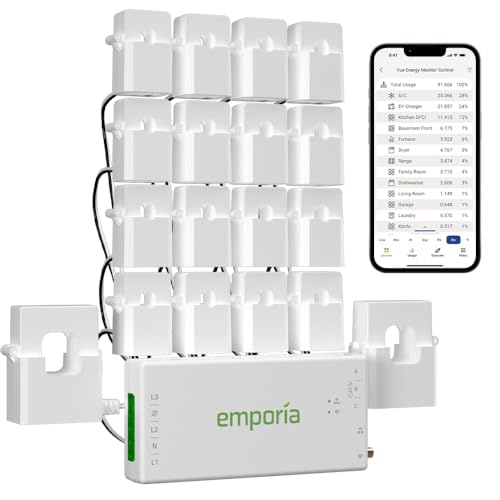
Emporia Vue 3 Home Energy Monitor – Smart Home Automation Module and Real Time Electricity Usage Monitor, Power Consumption Meter, Solar and Net Metering for UL Certified Safe Energy Monitoring
SAFETY YOU CAN TRUST WITH UL CERTIFICATION: With Emporia Energy, your home energy monitoring is safe, reliable, and…
As an affiliate, we earn on qualifying purchases.
As an affiliate, we earn on qualifying purchases.