TL;DR

Get garden gear delivered free with Prime
- Fast, free delivery on millions of items
- Prime Video, Amazon Music and more included
- Member-only deals all year
An October bird-care guide from Homes and Gardens, citing Birdbuddy ornithologist Mary Mack Gray, recommends five ways to support backyard birds: clean feeders, keep them stocked, leave seed heads, retain brush and leaf litter, and provide clean water. The advice focuses on food, shelter and water as birds prepare for colder weather and migration.
Homes and Gardens has published five October recommendations from Mary Mack Gray, Birdbuddy’s in-house ornithologist, for helping backyard birds find food, shelter and water as fall progresses. The guidance calls on gardeners to clean and stock feeders, leave seed-bearing plants standing, retain some brush and leaf litter, and keep bird baths clean.
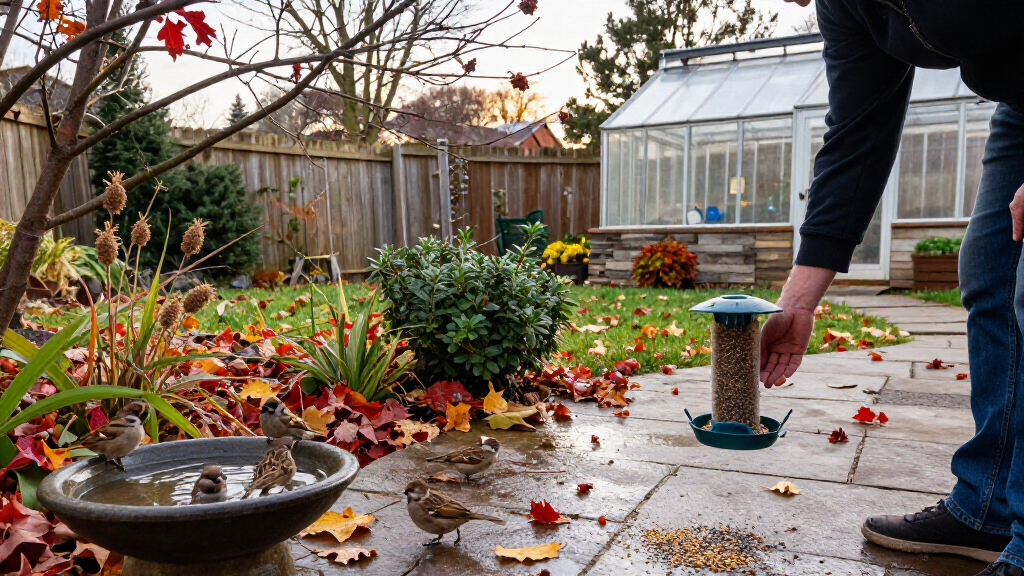
Gray says feeder hygiene deserves particular attention in fall. Wet, mild conditions can encourage mold and fungal growth, the report says. She recommends cleaning feeders before colder months, moving them periodically to limit the buildup of debris underneath, and placing them out of direct sun to help protect food quality. The article also notes that cleaning can reduce the risk of attracting pests.
For feeding, Gray advises maintaining a dependable supply of high-fat, high-energy foods, including suet, sunflower hearts and nuts. She says birds learn to use reliable food sources in fall and may return to them in winter. Adding feeders can also provide space for more birds, according to Gray. The article does not prescribe a particular amount or feeding schedule.
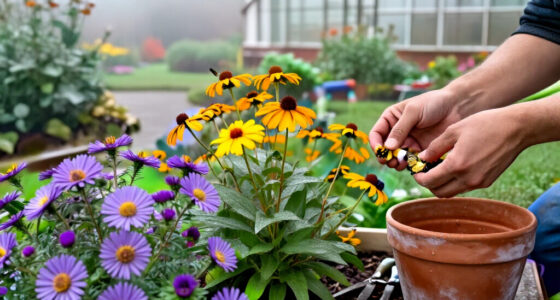
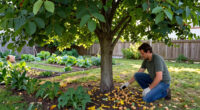
The remaining recommendations focus on keeping useful habitat in the garden. Seed heads on plants such as coneflowers and black-eyed Susans can supply food for seed-eating birds. Brush piles and leaf litter offer cover and foraging areas, including for ground-feeding birds that search for insects. A clean bird bath, meanwhile, can provide water for resident and migrating birds. Gray says water is important throughout the year and can be particularly useful during fall migration.
Food and Shelter Through Fall
The recommendations address several basic needs at once: food, water and protection from exposure. As natural food sources become less available and weather turns colder, a garden with stocked feeders, seeds and sheltered corners may offer birds more opportunities to feed and rest. The report presents these actions as practical ways for homeowners to make yards more wildlife-friendly, rather than as a guarantee that particular species will visit.
The advice also highlights a trade-off in fall garden maintenance. Clearing leaves and faded plants can make a yard look tidy, but removing all plant debris may eliminate places where birds forage or shelter. Gardeners can still clear leaves from lawns where they could smother grass, while leaving some material in a quiet area. Keeping feeders and water clean remains part of that support: food and water are useful only if they are maintained.
Products Worth Considering

Philips Hue Secure Wired Video Doorbell, 2K, Black

Shark AI Ultra Robot Vacuum with Self-Empty Base

iRobot Roomba 105 Vac Robot Vacuum
As an affiliate, we earn on qualifying purchases.
Five Recommendations for October
The source is a seasonal gardening report by Homes and Gardens, which attributes its recommendations to Gray. The article identifies her as a wildlife biologist with more than a decade of experience in research, conservation and regulation involving endangered and imperilled species. It describes her specialist work as focused on avian ecology and habitat management.
Its five suggestions are to clean feeders; keep them reliably stocked with energy-rich food; leave seed heads; preserve some brush piles and leaf litter; and provide clean water. These are presented as October tasks that can also help prepare a yard for winter. The guidance is broad rather than tailored to a particular region, species or local climate, and it does not provide a detailed cleaning protocol or a specific list of permitted foods.
“Thoroughly cleaning feeders now means less cleaning during the cold months.”
— Mary Mack Gray, Birdbuddy in-house ornithologist, as quoted by Homes and Gardens
Limits of the Seasonal Advice
The article offers general guidance and does not quantify how much the steps increase bird visits or survival. It also does not specify which local species benefit most in every region, how often feeders and baths should be cleaned, or how recommendations may vary with local weather and disease advisories. Its discussion of migration is general; it does not identify particular routes, dates or populations. Readers should treat the suggestions as the expert’s practical recommendations, not as measured outcomes or guarantees.
The supplied source text ends partway through a sentence about hummingbird migration and a solar bird-bath pump. It does not establish that a pump is necessary, nor does it provide further detail about its use. The reported guidance centers on providing clean water, not on any specific device.
Garden Tasks as Weather Changes
The recommendations are intended for October and the approach of winter: clean feeders, check food supplies, leave useful seed heads and habitat, and keep water fresh. As conditions change, gardeners can continue monitoring feeders and baths and adjust where they leave leaves or brush to suit their yard. The source gives no follow-up schedule, formal program or later milestone; it is practical seasonal advice rather than an announcement of a new initiative.
Key Questions
What are the five October steps recommended for backyard birds?
Gray recommends cleaning feeders, keeping them stocked, leaving seed heads, retaining some brush and leaf litter, and providing clean water.
What food does the report recommend putting in feeders?
The article names suet, sunflower hearts and nuts as high-energy options. It does not give serving quantities or a feeding schedule.
Why leave seed heads and fallen leaves?
Seed heads can provide food for seed-eating birds, while leaf litter offers cover and places for ground-feeding birds to search for insects. The article suggests moving leaves off lawns but leaving some in a quiet garden corner.
How often should bird feeders and baths be cleaned?
The source stresses keeping both clean, particularly in damp fall conditions, but does not specify an interval or provide a full cleaning protocol.
Source: rss