
TL;DR
Bananas have unexpectedly sprouted in a Rayleigh garden after 15 years. The growth has surprised homeowners and experts, prompting questions about climate conditions and plant resilience in the UK. Details about how the plants survived and what this means are still emerging.
Bananas have sprouted in a garden in Rayleigh, Essex, UK, after approximately 15 years. The unexpected growth was discovered by the homeowners, sparking interest among local botanists and climate experts. This rare event raises questions about plant resilience and changing climate conditions in the region.

Get garden gear delivered free with Prime
- Fast, free delivery on millions of items
- Prime Video, Amazon Music and more included
- Member-only deals all year
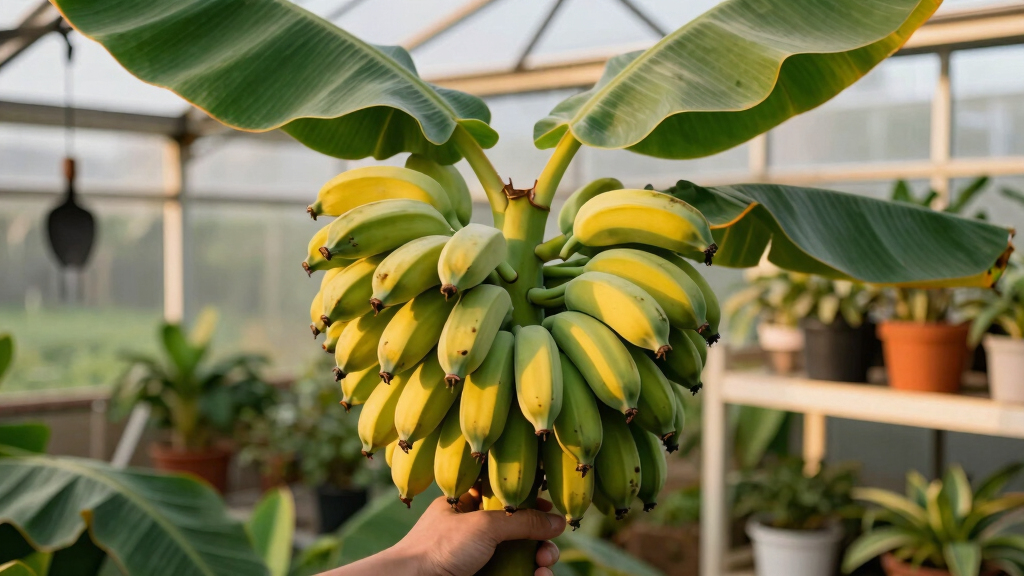
The banana plants, believed to have been planted or left dormant for over a decade, recently began sprouting new shoots, according to the homeowners. The discovery was made in early April, and the plants are now visibly growing in the garden, defying typical UK climate expectations.
Local botanists from the Essex Botanical Society confirmed the plants are genuine banana trees, likely Musa species, and noted that such growth in the UK is extremely rare given the country’s cooler climate and typical frost conditions. The homeowners, who wish to remain anonymous, stated they had not intentionally cultivated bananas but suspect the plants may have been remnants from previous planting or accidental seeds.
Experts indicate that the recent mild winter and unusual weather patterns might have contributed to the survival and growth of the banana plants, which normally require warmer, tropical conditions. The plants are currently small but healthy, with several shoots emerging.
Implications for Climate and Plant Resilience in the UK
This unexpected sprouting of banana plants in Rayleigh highlights potential shifts in climate patterns, with milder winters possibly allowing subtropical plants to survive and grow in regions previously unsuitable for them. It also raises questions about the adaptability of certain plant species and the possible future spread of tropical flora in the UK, which could impact local ecosystems and horticultural practices.
For homeowners and gardeners, this event may signal the need to reconsider what plants can be cultivated outdoors in the UK, especially as climate change continues to influence seasonal weather patterns. However, experts caution that such growth remains unusual and not indicative of a broader trend yet.
Products Worth Considering

Philips Hue Smart Light Starter Kit with Bridge and 4 White and Color A19 Bulbs

Philips Hue Festavia Permanent Outdoor String Lights, 80 Lights, 150 ft

Dyson Airwrap i.d. Multi-Styler with Bluetooth Connectivity
As an affiliate, we earn on qualifying purchases.
Historical Challenges of Growing Bananas in the UK
Bananas are typically tropical plants requiring warm temperatures and high humidity, conditions not usually found in the UK. Historically, banana cultivation in the UK has been limited to greenhouses or indoor environments. There have been occasional reports of banana plants surviving in outdoor gardens during exceptionally warm winters, but these are rare.
In recent years, climate change has been linked to milder UK winters, with some regions experiencing fewer frosts and higher average temperatures. Such changes have occasionally allowed marginal plants to survive outside their usual range, but widespread outdoor banana growth remains uncommon.
The current event in Rayleigh is one of the most notable instances of banana sprouting after such a long dormant period, indicating that local conditions may be shifting, at least temporarily.
“The fact that these banana plants have sprouted after 15 years is highly unusual and suggests that the local climate conditions might be changing in ways we haven’t fully understood yet.”
— Dr. Emily Carter, botanist at Essex Botanical Society
Unanswered Questions About the Banana Plants’ Survival
It is still unclear how the banana plants survived over the past 15 years without significant growth or visible activity. It is also uncertain whether similar events might occur elsewhere in the UK or if this is an isolated incident. The exact species of banana and whether they were planted intentionally or are volunteer plants remains unconfirmed.
Scientists are investigating whether recent weather patterns, such as milder winters and increased warmth, played a role, but definitive conclusions have not yet been reached.
Monitoring and Research on Unusual Plant Growths in the UK
Researchers and botanists will likely continue to observe the banana plants for growth patterns and survival prospects. Additional studies may explore whether climate change is enabling more tropical plants to survive outdoors in the UK.
Homeowners and horticulturists are advised to monitor their gardens for similar occurrences, and authorities may issue guidance on planting and plant protection in changing climatic conditions.
Further weather data analysis and botanical surveys are expected to clarify whether this event signals a broader shift or remains an anomaly.
Key Questions
How did the banana plants survive for 15 years without growing?
It is not yet clear how the plants survived dormant for so long. They may have been in a state of dormancy, protected from harsh weather, or kept alive by microclimate conditions in the garden.
Are these banana plants safe to handle or eat?
While the plants are genuine bananas, they are not cultivated for fruit in the UK and may not be safe or suitable for consumption. They are primarily ornamental and experimental in this context.
Could this happen again in other UK gardens?
It is possible, especially if local climate conditions continue to shift. However, such events are currently rare and unpredictable.
Does this mean the UK climate is becoming tropical?
Not necessarily. While some weather patterns may be milder, this event alone does not confirm a permanent shift to tropical conditions. It highlights potential localized or seasonal changes.
What should gardeners do to protect their plants from unexpected weather changes?
Gardeners should stay informed about weather forecasts and consider protective measures for sensitive plants, especially during colder months. Monitoring local climate trends can help adapt gardening practices.
Source: hn