
TL;DR

Get garden gear delivered free with Prime
- Fast, free delivery on millions of items
- Prime Video, Amazon Music and more included
- Member-only deals all year
Gardeners can harvest tomato seeds in September to grow their own plants next year. This process is straightforward, cost-effective, and suitable for home gardeners looking to save money. The trend shows rising interest, though specific developments are still unconfirmed.
Gardeners can now harvest and save tomato seeds in September to grow their own plants next year, a process that is simple, cost-effective, and increasingly popular among home growers. This practice allows for self-sufficient gardening and can save money on purchasing new seeds annually.
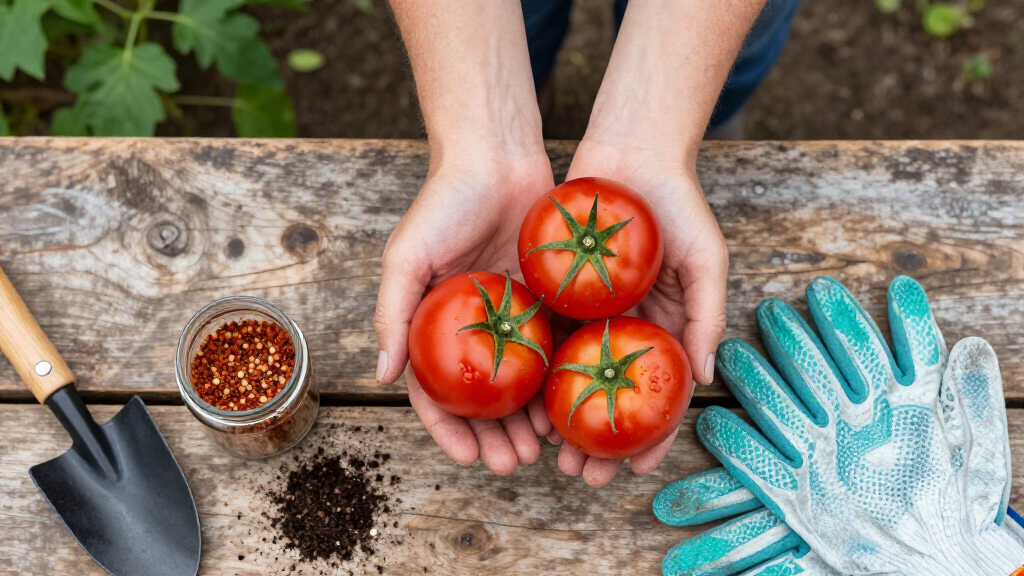
Tomato seed saving involves selecting mature, healthy fruits, extracting seeds, and properly drying them for future planting. Experts recommend choosing fully ripened tomatoes, especially heirloom varieties, as they tend to produce more viable seeds. The process typically begins in late summer, with seeds harvested once the fruit has fully matured and softened.
To harvest seeds, gardeners should cut open the tomato, scoop out the seeds and surrounding gel, and place them in a container with water to ferment for a few days. Fermentation helps remove the gel coating that inhibits germination. After fermentation, seeds are rinsed thoroughly, spread on paper towels, and left to dry in a well-ventilated area for about a week. Proper drying is crucial to prevent mold and ensure seed viability.
Once dry, seeds can be stored in paper envelopes or airtight containers in a cool, dark place. Proper storage can preserve seed viability for several years, making it possible to save seeds and plant these seeds the following season without additional cost. This method is suitable for most tomato varieties, but heirlooms and open-pollinated types tend to produce more reliable results.
Why Saving Tomato Seeds Matters for Gardeners
Saving tomato seeds in September empowers gardeners to reduce costs and maintain genetic diversity within their gardens. It fosters self-sufficiency, especially for those interested in heirloom varieties that may not be readily available commercially. Additionally, seed saving supports sustainable gardening practices by minimizing reliance on commercial seed sources and promoting biodiversity.
This practice also offers educational value, helping gardeners understand plant life cycles and improve their gardening skills. As interest in home-grown food increases, seed saving becomes an accessible way to extend the growing season and ensure a reliable supply of plants for future harvests.
As an affiliate, we earn on qualifying purchases.
Seasonal Timing and Growing Trends in Tomato Seed Saving
Interest in seed saving has been rising, particularly among home gardeners seeking sustainability and cost savings. The trend appears to be driven by increased awareness of organic gardening, seed sovereignty, and the desire to grow heirloom varieties. While specific data on seed saving interest is limited, search trends indicate a spike around late summer and early fall, coinciding with the harvest period for many crops.
Historically, seed saving from tomatoes has been a common practice among traditional farmers and gardening enthusiasts. The process is well-established, with proven techniques passed down through generations. The current surge in interest may reflect broader shifts toward self-reliance and environmental consciousness, although official data confirming this trend remains unavailable.
heirloom tomato seeds for planting
As an affiliate, we earn on qualifying purchases.
As an affiliate, we earn on qualifying purchases.
Unconfirmed Rise in Seed Saving Trends
It is not yet confirmed whether the recent spike in interest is part of a sustained trend or isolated to specific regions. Data on seed saving popularity is limited, and the actual number of gardeners practicing this method remains unclear. Further research is needed to verify the scale and impact of this trend.As an affiliate, we earn on qualifying purchases.
Next Steps for Gardeners and Industry
Gardeners interested in seed saving should follow established techniques to ensure successful harvests. As the season progresses, more resources and community workshops may become available to support beginners. Industry stakeholders might respond by offering more heirloom seeds and seed-saving kits, but confirmation of such developments is pending. Future updates will clarify whether seed saving continues to grow as a widespread practice.
As an affiliate, we earn on qualifying purchases.
Key Questions
Can I save seeds from any tomato variety?
Most open-pollinated and heirloom varieties are suitable for seed saving. Hybrid tomatoes are generally not recommended because their seeds may not produce true-to-type plants.
How long can I store tomato seeds?
Properly dried and stored seeds can remain viable for 3 to 5 years or longer, especially in cool, dark, and dry conditions.
Do I need special equipment to save tomato seeds?
No special equipment is required. Basic tools include a knife, a container for fermentation, paper towels, and storage envelopes or jars.
Is seed saving legal and safe?
Yes, seed saving from your own garden is legal and safe. However, commercial seed saving may be subject to intellectual property rights, so gardeners should verify seed source rights if buying from stores.
When is the best time to harvest tomato seeds?
The optimal time is when the tomatoes are fully ripe and soft, typically in September for late summer harvests.
Source: rss
Fall yard work Picks
leaf blowers
As an affiliate, we earn on qualifying purchases.