TL;DR

Get garden gear delivered free with Prime
- Fast, free delivery on millions of items
- Prime Video, Amazon Music and more included
- Member-only deals all year
Country Living published a checklist of nine garden tasks to do before the first hard freeze, including harvesting tender produce, draining hoses, bringing patio houseplants indoors and protecting new plantings. The advice is general: local temperatures and plant hardiness determine which tasks matter most, and the report does not provide a publication date or region-specific forecast.
Country Living has published a nine-task checklist for gardeners preparing for the season’s first hard freeze, advising them to harvest vulnerable produce, drain hoses, protect new plantings and move patio houseplants indoors. The steps aim to limit cold damage to plants and reduce the risk of freeze-related damage to outdoor plumbing and containers.
The report recommends picking remaining green tomatoes, beans and tender greens before freezing weather arrives. It says green tomatoes can continue ripening on a kitchen table or in a brown paper bag. Kale and Swiss chard are described as more cold-tolerant and may withstand frost or a hard freeze, though conditions vary by location and plant.
For outdoor water equipment, the checklist advises gardeners to disconnect and drain hoses, remove wand sprayers and locate the home’s interior shutoff valve for outdoor spigots. Water left in hoses can freeze and split them; water freezing in exterior plumbing can also cause pipes to burst and leak into a home, the report says.
Other suggested tasks include cutting flowers for indoor display, harvesting frost-sensitive herbs such as basil and lemon balm for freezing, and covering annuals with frost blankets when an early freeze is followed by warmer weather, much like the flowers that can keep a garden looking better after the first frost. The report also recommends inspecting and rinsing patio houseplants before bringing them inside, mulching recently planted perennials and shrubs with two to three inches of organic material, storing fragile pots in a sheltered place and photographing the garden before frost changes its appearance.
Protecting Plants, Pipes and Pots
Taking these steps can help gardeners avoid preventable losses as temperatures fall. Draining hoses and protecting outdoor spigots addresses a household risk as well as a gardening chore: frozen water can damage equipment and plumbing, potentially leading to leaks. Moving fragile containers out of repeated freeze-and-thaw conditions can also reduce the chance of cracking.
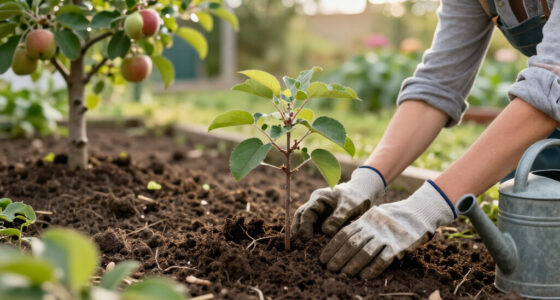
For plants, the checklist distinguishes between more vulnerable growth and plants that may tolerate cold. Harvesting tender crops and herbs preserves food before damage, while covering some annuals can extend their display if an early cold snap is brief. Mulch around new plantings can help insulate roots and reduce frost heave, in which repeated freezing and thawing pushes plants upward and exposes roots. These are practical measures, not guarantees against severe or prolonged cold.
As an affiliate, we earn on qualifying purchases.
Why the First Freeze Matters
The checklist is organized around the first hard freeze rather than a fixed calendar date. The timing varies by region and year, so gardeners need to follow local forecasts and their own plants’ needs. A light frost and a hard freeze do not affect every plant in the same way; the source specifically contrasts tender crops and herbs with hardier greens and herbs such as rosemary and sage.
Country Living also notes that an early freeze can be followed by milder weather. In that situation, covering annuals may preserve blooms for another week or two, according to the report. The advice reflects a short-term response to changing fall conditions, rather than a universal schedule for winter preparation.
outdoor hose disconnect and drain kit
As an affiliate, we earn on qualifying purchases.
As an affiliate, we earn on qualifying purchases.
Local Conditions Set the Timing
The source does not identify a specific freeze date, location or forecast, so it cannot establish when readers should complete the tasks. Plant hardiness and weather conditions differ by region, and the report does not give temperatures at which each listed plant will be damaged. Its suggestions should be checked against local forecasts and reliable guidance for particular plants.
The article also does not cite research or named gardening experts for the recommendations, and it provides no information about the publication date. Covering annuals may help during a brief cold spell, but the source does not promise that covers will protect plants through every freeze.
As an affiliate, we earn on qualifying purchases.
Watch Forecasts and Finish Preparations
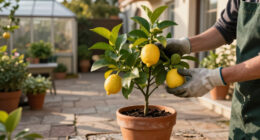
Gardeners can use the checklist as a prompt to check local forecasts, harvest crops and herbs that will not tolerate freezing, and deal with hoses and spigots before temperatures fall. They can then bring in patio plants after inspecting them for pests, mulch eligible new plantings and move vulnerable containers into a sheltered area.
If forecasts call for an early freeze followed by milder weather, gardeners may cover suitable annuals and reassess when conditions change. The next step depends on local weather; the source does not provide a national freeze outlook or a dated timetable.
garden harvest baskets for vegetables
As an affiliate, we earn on qualifying purchases.
As an affiliate, we earn on qualifying purchases.
Key Questions
What should I harvest before a hard freeze?
Country Living recommends picking remaining green tomatoes, beans and tender greens. It says green tomatoes can ripen indoors, while kale and Swiss chard are generally more cold-tolerant.
How should I prepare garden hoses and outdoor spigots?
Disconnect and drain hoses, remove wand sprayers and locate the interior shutoff valve for outdoor spigots, following the setup and instructions for your home.
Which plants should I bring indoors?
Bring in houseplants that spent summer outdoors, the report advises. Inspect and rinse them for pests, then keep them separate from other houseplants until you are confident they are pest-free.
How much mulch does the checklist recommend?
For recently planted perennials and shrubs, it suggests a two- to three-inch layer of organic mulch to insulate roots and help limit frost heave.
Can annuals be protected if a freeze is brief?
The report suggests covering annuals such as begonias and petunias with frost blankets when an early freeze is followed by milder weather. Protection depends on local conditions and is not guaranteed to prevent damage.
Source: rss
Halloween Picks
halloween
As an affiliate, we earn on qualifying purchases.