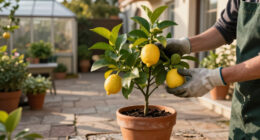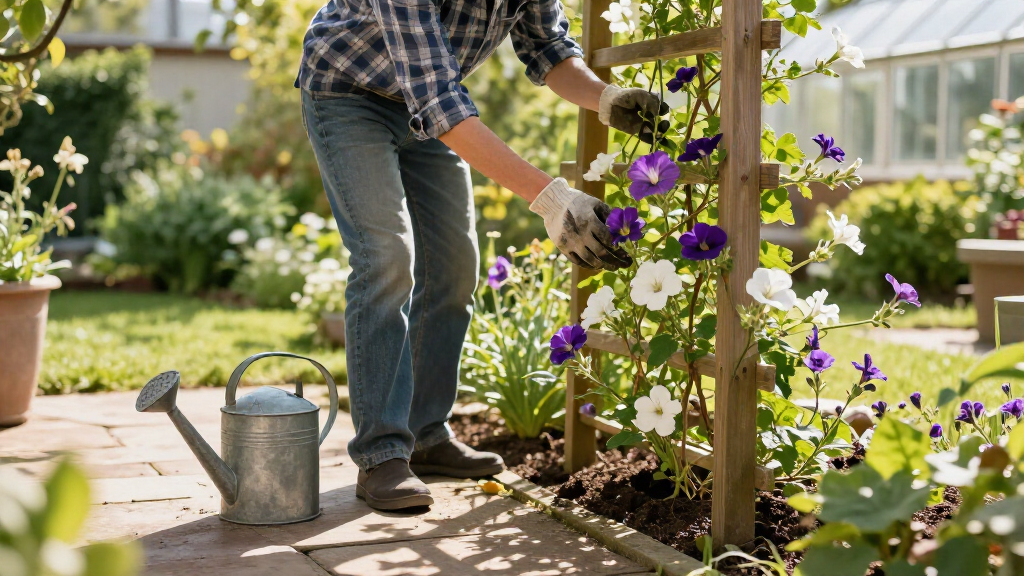

The best flowering vines combine the bloom style you want with a growth habit and climate fit your garden can support. My best overall pick is Confederate jasmine for its evergreen foliage and fragrant star-shaped flowers; Jackmanii clematis stands out for bold purple blooms, while cardinal climber offers bright red flowers from seed. The main tradeoffs are quick seasonal color versus a longer-lived plant, fragrant blooms versus low-maintenance growth, and seeds versus established starts. Read on for the full comparison of 13 options and what each suits best.

Get garden gear delivered free with Prime
- Fast, free delivery on millions of items
- Prime Video, Amazon Music and more included
- Member-only deals all year
Complete the kit


Key Takeaways
- Confederate jasmine is the strongest all-around choice in this lineup for gardeners who want a fragrant, evergreen vine rather than a short seasonal display.
- Jackmanii clematis and Blue Moon wisteria prioritize different kinds of impact: clematis offers vivid purple flowers, while wisteria is a long-term woody climber that needs sturdy support and planned pruning.
- Seed options favor low-cost experimentation and fast annual color, especially morning glories and cardinal climber, but they ask more of the grower during germination and establishment.
- Honeysuckle choices are not interchangeable: Major Wheeler is a compact-pot live start, while the two-plant red coral honeysuckle listing offers multiple plants for filling a space.
- Climate and winter behavior matter as much as flower color: mandevilla is best suited to warm conditions or seasonal protection, while perennial clematis and hardy honeysuckle are better candidates for gardens with cold winters.


| flowering vine | Flower color | Plant type |
|---|---|---|
| White Moonflower Vine Seeds | White | — |
| 50+ Dark Red Morning Glory See | — | Annual vine |
| Confederate Jasmine Live Plant | — | — |
| 2 Red Coral Honeysuckle Live P | — | Red coral honeysuckle flowering vine |
| Daisy Ship Carolina Jasmine Ev | Yellow | — |
| Clematis paniculata | White | Perennial vine |
| Morning Glory Seeds for Planti | — | — |
| Seed Needs Cardinal Climber Se | Red | — |
| 10pcs Japanese Wisteria Florib | Purple | Japanese Wisteria floribunda |
| Clematis ‘Jackmanii’ Hybrid | Deep purple | Clematis x ‘Jackmanii’ hybrid vine |
| 2 Pink Mandevilla Vine Live Pl | Pink | Mandevilla vine |
| Blue Moon Wisteria Vine | Lilac-blue | Wisteria vine |
| Major Wheeler Honeysuckle Plan | Yellow | Honeysuckle (Lonicera) vine |
More Details on Our Top Picks
White Moonflower Vine Seeds – Climbing Fragrant Night Blooming Plant
I’d choose these moonflower seeds for a trellis near a patio or outdoor seating area where their night-blooming fragrance can be enjoyed after dark. The vine can reach 15 feet, giving it more reach than the 10-foot Dark Red Morning Glory, while its white summer flowers bring a quieter look than that seed option’s vivid colors. It suits zones 8–11, and gardeners elsewhere can grow it as an annual, so it offers flexibility without being a cold-hardy perennial. The tradeoff is that it needs full sun and moderate watering, and the seeds need soaking before planting. I’d skip it if daytime blooms or a vine taller than 15 feet are the main goals.
Pros:- Fragrant flowers bloom at night, adding interest after daylight hours.
- Can climb up to 15 feet for trellises and other vertical supports.
- Can be grown as an annual outside zones 8–11.
- Includes 20 seeds and planting guidance to soak seeds before sowing.
Cons:- Needs full sun for strong growth.
- Seeds require soaking before planting, adding a preparation step.
- Annual growing outside zones 8–11 means replanting each season.
Best for: Gardeners who want a fragrant, white-flowering climber near evening patios and can provide a sunny spot.
Not ideal for: Gardeners seeking a cold-hardy perennial, daytime-focused blooms, or a vine taller than 15 feet.
- Plant height:Up to 15 feet
- Growing zones:Zones 8–11; annual elsewhere
- Blooming period:Summer
- Flower color:White
- Sunlight:Full sun
- Water needs:Moderate
- Seed count:20
- Material feature:GMO free
Our verdict“Choose these seeds for a sunny evening garden where white, fragrant night blooms matter more than perennial growth.”
50+ Dark Red Morning Glory Seeds Climbing Vine Flowers Garden Planting
This morning glory seed pack is the pick for gardeners who want a fast seasonal display in rich colors rather than an established evergreen vine. The listing describes dark red and dark purple blooms, with additional colors also mentioned, and a roughly 10-foot growth height for covering a trellis or fence. Compared with the White Moonflower Vine Seeds, this option is geared toward summer-to-fall color, not fragrant flowers that open at night. It’s an annual, so the flexibility to refresh a planting comes with the work of sowing again next year. Full sun, regular watering, and sandy, well-draining soil are called for; the listing gives little detail on germination timing, so buyers who need predictable establishment may prefer a live plant such as Confederate Jasmine.
Pros:- Summer-to-fall bloom period can extend seasonal color.
- Climbing growth can reach about 10 feet on a suitable support.
- Non-GMO seeds are listed.
- Annual habit lets gardeners change the planting from year to year.
Cons:- Must be replanted each year.
- Needs full sun and regular watering.
- Germination timing is not specified in the product information.
Best for: Gardeners who want a full-sun annual to add bold summer-to-fall color to a trellis and are comfortable replanting yearly.
Not ideal for: Buyers who want a perennial, a fragrant night-blooming vine, or clear germination timing before planting.
- Plant type:Annual vine
- Expected height:10 feet
- Bloom time:Summer to fall
- Listed flower colors:Dark red and dark purple; listing also mentions purple, pink, blue, and white
- Sun exposure:Full sun
- Soil:Sandy, well-draining
- Soil pH:6.0–6.8
- Moisture needs:Regular watering
- Seed count:30 seeds listed
Our verdict“Pick these seeds for bold seasonal color on a sunny support, but choose a live perennial if you want less yearly replanting.”
Confederate Jasmine Live Plant, 1 Gallon, Star Vine
For buyers who would rather start with a live vine than raise seedlings, Confederate Jasmine makes the strongest all-around choice in this group. Its evergreen foliage supplies year-round coverage, while fragrant, pale pinwheel flowers arrive in spring and summer. It can grow 10–12 feet tall and about 4 feet wide, making it more suited to a substantial fence or trellis than the smaller starter honeysuckle plants. Compared with the seed-grown White Moonflower, it offers established-plant convenience and evergreen leaves, but it won’t provide night-opening summer flowers. It accepts full sun or partial shade and moderate watering, yet its zone range is 7–11, and shipment is unavailable to California and Arizona. Buyers should also plan for a support and enough room for its mature spread.
Pros:- Evergreen foliage provides coverage beyond its flowering season.
- Fragrant spring and summer pinwheel flowers add scent as well as color.
- Tolerates full sun or partial shade.
- Live plant avoids seed-starting and germination uncertainty.
Cons:- Unavailable for shipment to California and Arizona.
- Needs room for a mature height of 10–12 feet and width of about 4 feet.
- Its spring and summer bloom schedule differs from the night-blooming Moonflower.
Best for: Gardeners in zones 7–11 who want an evergreen, fragrant flowering vine as a live start for a fence, trellis, or wall.
Not ideal for: Gardeners in California or Arizona, those with limited vertical space, or buyers seeking flowers that bloom at night.
- Plant form:Live plant, 1 gallon
- Mature height:10–12 feet
- Mature width:About 4 feet
- Planting zones:7–11
- Blooming period:Spring and summer
- Flower description:Pale pinwheel flowers
- Sunlight:Full sun to partial shade
- Soil:Loam
- Water needs:Moderate
Our verdict“Choose Confederate Jasmine for year-round greenery and fragrant seasonal blooms if your climate and available space fit its mature size.”
2 Red Coral Honeysuckle Live Plants, Hardy Flowering Vines, 5-9 inches tall in pots
This set is aimed at gardeners who want to establish two live flowering vines at once, rather than sow seeds or buy one larger plant. Each starts at just 5–9 inches tall, so the pair offers a chance to cover separate supports or begin a fuller planting, though neither is an instant screen. The red tubular flowers bring a different look from Confederate Jasmine’s pale pinwheels, and the included pots make the plants adaptable to garden beds or containers. Full sun to partial shade is listed, but the stated hardiness range is zones 8–11—narrower than the Confederate Jasmine’s zones 7–11. Regular watering and well-draining soil are part of the care routine. I’d avoid this set for cold-winter gardens or anyone expecting substantial coverage right away.
Pros:- Two live plants can be started in separate locations.
- Red tubular flowers offer a distinct look beside white- or pale-flowered vines.
- Suitable for outdoor beds, containers, trellises, and landscape features.
- Tolerates full sun to partial shade.
Cons:- Plants arrive only 5–9 inches tall and need time to cover a structure.
- Listed for zones 8–11, limiting suitability in colder climates.
- Requires regular watering and well-draining soil.
Best for: Gardeners in zones 8–11 who want two small live vines to start on separate trellises or in containers.
Not ideal for: Gardeners in colder zones or buyers who need mature, fast coverage from the outset.
- Plant type:Red coral honeysuckle flowering vine
- Quantity:2 live plants
- Plant height:5–9 inches
- Growth habit:Climbing vine
- Hardiness zones:8–11
- Light requirement:Full sun to partial shade
- Soil:Well-draining
- Water needs:Regular watering
- Container:Pot included
Our verdict“Choose this pair if you garden in zones 8–11 and prefer starting two small live vines over growing from seed.”
Daisy Ship Carolina Jasmine Evergreen Vine – 2 x 2 inch Bags
The main draw here is the listed zones 3–10 range, which is broader than the zones 7–11 Confederate Jasmine and 8–11 Coral Honeysuckle. That could make this Carolina Jasmine appealing to gardeners whose climate rules out those other live-vine picks, though the listing’s zone claim deserves care: it also describes an evergreen vine, and buyers should verify local suitability before planting. The product comes as two 2-inch bags, with an expected height of just 1 foot, so it reads more like a small start than an immediate privacy screen. Bright yellow blooms and fast-growing coverage are claimed, but summer is the only bloom period specified. Compared with the 10–12-foot Confederate Jasmine, this listing provides much less mature-size detail, so I’d choose it only if small starts and the stated climate range fit your plans.
Pros:- Two pieces are included for starting in separate planting locations.
- Bright yellow blooms offer a color contrast to the white Moonflower and pale Confederate Jasmine.
- The listing states a broad USDA zone range of 3–10.
- Full sun to shade exposure is listed, offering flexibility in placement.
Cons:- Expected plant height is listed as only 1 foot, with no mature climbing height specified.
- The evergreen description and broad zone claim warrant local verification before purchase.
- Moderate watering and nutrient-rich, moist soil are specified.
Best for: Gardeners seeking two small vine starts and attracted by the listing’s broad zones 3–10 claim, subject to checking local suitability.
Not ideal for: Buyers who need a clearly documented mature climbing height, immediate privacy coverage, or certainty about hardiness in a colder climate.
- Product form:2 × 2-inch bags
- Unit count:2
- Expected plant height:1 foot
- USDA hardiness zones:3–10, as listed
- Expected blooming period:Summer
- Flower color:Yellow
- Sunlight exposure:Full sun to shade
- Soil:Nutrient-rich, moist soil
- Moisture needs:Moderate watering
Our verdict“Consider these small starts if the stated zones 3–10 fit your area, but choose a better-documented vine when mature coverage is the priority.”
Clematis paniculata (Sweet Autumn Clematis) Perennial, White Flowers, 8″ Container
Sweet Autumn Clematis fills a seasonal gap: its white, lightly fragrant flowers arrive from September to October, when the summer display of many vines is fading. Unlike the seed-grown Morning Glory, this is a live perennial in an 8-inch container, so it can be planted on arrival rather than started from seed. Its stated hardiness range of USDA Zones 4–8 also suits a broad range of gardens, though planting success still depends on local weather and care. The tradeoff is limited sizing information: mature height and spread are not specified, making it harder to plan around a small trellis or narrow space. Choose it for a fall-flowering perennial; skip it if you need precise growth dimensions before planting.
Pros:- Flowers in September and October, extending the garden’s flowering season
- Light fragrance adds sensory interest alongside the white blooms
- Perennial suited to USDA Zones 4–8
- Arrives in an 8-inch container and can be planted upon delivery when conditions allow
Cons:- Mature height and spread are not specified, complicating trellis and spacing plans
- Detailed planting instructions are not provided
- Planting immediately depends on suitable local weather
Best for: Gardeners in USDA Zones 4–8 who want a live perennial vine to add lightly fragrant white flowers to the fall garden.
Not ideal for: Gardeners who need a vine with documented mature dimensions or planting instructions tailored to their site.
- Plant type:Perennial vine
- Flower color:White
- Blooming period:Fall; September to October
- Fragrance:Light
- USDA hardiness zones:4–8
- Sunlight exposure:Full sun
- Soil type:Sandy soil
- Container size:8 inches
Our verdict“Choose this live clematis if fall flowers and perennial growth matter more to you than having exact mature-size details.”
Morning Glory Seeds for Planting – 250 Fresh Heavenly Blue Climbing Vine Flower Seeds – Attracts Butterflies & Hummingbirds – Fast Growing Ivy – Grown in the USA
For a broad planting or several sections of fence, 250 Heavenly Blue morning glory seeds offer more coverage than the 10-seed Japanese Wisteria packet. The fast-growing annual vines can reach 12 feet, with sky-blue trumpet flowers that draw hummingbirds and butterflies. Seeds suit gardeners willing to handle sowing: soaking before planting and placing them a half-inch deep in a sunny spot are part of the routine, and germination may take 5–10 days. The listed growing range of Zones 2–11 is unusually broad, but the vine still needs full sun, regular watering, and something sturdy to climb. Unlike the live Clematis ‘Jackmanii,’ it is not a ready-to-plant specimen; choose it for quantity and quick seasonal coverage, not for a perennial planting.
Pros:- 250 seeds provide ample quantity for multiple planting spots
- Sky-blue trumpet flowers attract hummingbirds and butterflies
- Fast-growing vines can reach 12 feet
- Untreated, non-GMO seeds are listed for a wide range of growing zones
Cons:- Requires seed preparation and germination time rather than immediate garden impact
- Needs full sun, regular watering, and support for tall growth
- Annual seed-grown planting does not offer the established perennial presence of live clematis
Best for: Gardeners who want to sow a large sunny fence or trellis area with pollinator-attracting annual vines and are comfortable starting from seed.
Not ideal for: Buyers seeking a ready-to-plant perennial or gardeners without full sun, regular watering, or vertical support.
- Seed quantity:250
- Flower color and shape:Sky blue, trumpet-shaped
- Maximum plant height:Up to 12 feet
- Growth zones:2–11
- Soil type:All soil types
- Water needs:Regular watering
- Seed features:Untreated, non-GMO
- Sowing instructions:Soak seeds; sow 1/2 inch deep in a sunny location
Our verdict“Pick these seeds for generous, fast-growing blue coverage if you can provide sun, water, and a climbing structure.”
Seed Needs Cardinal Climber Seeds – Red Flowering Vines, 2 Packs
Cardinal Climber brings a different look from the blue Heavenly Morning Glory: its red, trumpet-shaped flowers and vines reaching a listed 15 feet suit a tall seasonal screen. The two-pack contains 200 seeds, making it a practical choice for covering more than one stretch of fencing or trellis. Flowers are expected from summer into fall, and the vine attracts hummingbirds and butterflies. The tradeoff is that this is an annual, so the screen needs to be replanted each year; the description also notes it may wilt in cooler weather. Full sun, well-drained soil, and regular watering are part of the bargain. I’d choose it over the shorter Heavenly Blue option when red color and extra reach matter more than avoiding yearly sowing.
Pros:- Red trumpet-shaped flowers provide a strong color contrast to blue morning glory
- Vines can reach 15 feet for tall trellises and seasonal screening
- Summer-to-fall flowering attracts hummingbirds and butterflies
- Two packs provide 200 seeds for multiple planting locations
Cons:- Annual growth requires replanting each year
- Needs full sun and regular watering
- May wilt in cooler weather
Best for: Gardeners who want a tall, red-flowering annual screen and are willing to sow again each year.
Not ideal for: Buyers looking for a permanent perennial screen or gardeners with shaded sites or reliably cool growing conditions.
- Seed quantity:200 seeds in 2 packs
- Flower color:Red
- Blooming period:Summer to fall
- Expected plant height:Up to 15 feet
- USDA hardiness zones:3–7
- Sunlight exposure:Full sun
- Soil type:Average to sandy
- Moisture needs:Regular watering
Our verdict“Choose Cardinal Climber for a tall red seasonal screen if annual replanting and warm, sunny conditions suit your garden.”
10pcs Japanese Wisteria Floribunda Purple Ornamental Vine Climber Seeds
Japanese Wisteria floribunda is the scale play in this group: the listed vine can reach 29 feet, with cascading purple spring flowers suited to a major garden focal point. That reach makes it a more imposing choice than the 10–12-foot Clematis ‘Jackmanii,’ but also a much less forgiving fit for a small trellis or tight yard. The packet contains just 10 seeds, and the listing describes a seed-grown vine rather than a ready-established plant, so buyers should be prepared for a longer growing project. Full sun, well-drained soil, regular watering, sturdy support, and ongoing pruning all factor into care. Choose this for a spacious site and a substantial vertical display; skip it if you want quick coverage or low-maintenance growth.
Pros:- Cascading purple flowers create a distinctive spring focal point
- Listed growth to 29 feet can cover a large vertical structure
- Perennial growth offers a longer-term garden feature than annual morning glories
- GMO-free seeds suit gardeners seeking that seed attribute
Cons:- Only 10 seeds are included
- Vigorous growth requires substantial support and regular pruning
- Seed-grown establishment is less immediate than buying a live clematis
Best for: Gardeners with a spacious, sunny site, sturdy support, and the patience to grow a large flowering vine from seed.
Not ideal for: Small-yard gardeners, buyers who need fast coverage, or anyone unwilling to manage vigorous growth and regular pruning.
- Plant type:Japanese Wisteria floribunda
- Seed quantity:10
- Flower color:Purple
- Blooming period:Spring
- Expected plant height:Up to 29 feet
- Sunlight exposure:Full sun
- Soil:Average soil with good drainage
- Moisture needs:Regular watering
Our verdict“Choose Japanese Wisteria seeds only if you have room, strong support, and the patience to train a very large vine.”
Clematis ‘Jackmanii’ Hybrid – Live Flowering Vine in 4 Quart Container, Deep Purple Blooms
Clematis ‘Jackmanii’ is the strongest fit here for buyers who want an established plant and large, deep-purple flowers rather than a seed-starting project. Its 5–6-inch blooms are listed for June, July, and September, giving it a long seasonal presence. Compared with Sweet Autumn Clematis, which flowers in September and October, Jackmanii starts earlier and offers larger blooms, but its stated timing does not promise uninterrupted flowering through summer. The fully rooted plant is ready for planting, with a listed height of 24 inches on arrival and a mature height of 10–12 feet; those two measurements describe different stages. It needs evenly moist soil and pruning after the first flush for reblooming. Seasonal dormancy and shipping limits may affect availability.
Pros:- Large, 5–6-inch deep-purple flowers make a bold vertical display
- Fully rooted plant can be planted without starting from seed
- Listed to grow 10–12 feet for trellises, fences, and arches
- Blooming periods include June, July, and September
Cons:- Needs even moisture and pruning after the first flowering flush for reblooming
- May arrive dormant when shipped from November through March
- Shipping is limited to certain states
Best for: Gardeners seeking a live, rooted clematis with large purple flowers for a trellis, fence, or garden arch.
Not ideal for: Buyers who want a vine with no pruning needs, uninterrupted bloom, or guaranteed shipment outside the listed shipping areas and seasons.
- Plant type:Clematis x ‘Jackmanii’ hybrid vine
- Container size:4 quarts
- Flower color:Deep purple
- Flower size:5–6 inches
- Blooming periods:June, July, and September
- Plant height on arrival:24 inches
- Expected mature height:10–12 feet
- Soil and moisture:Loam; keep moisture level even
Our verdict“Choose Jackmanii for an established clematis with large purple flowers if you can manage even watering and seasonal pruning.”
2 Pink Mandevilla Vine Live Plants, Flowering Trailing Vine, 4-7 Inch Tall
For a warm-climate garden that needs bright color without starting from seed, this two-plant Mandevilla set offers a direct route to flowering vines for baskets or trellises. The plants arrive at 4–7 inches tall, so they need time and care to fill their space; their compact starting size is less immediate than the established container-grown Clematis ‘Jackmanii’. Pink blooms and a trailing habit give them more hanging-basket appeal than the upright, large-scale Blue Moon Wisteria, which is better suited to sturdy structures and generous space. Mandevilla is listed for zones 9–11 and full sun, making climate the main limitation: it is a poor fit for gardeners facing cold winters. No pot is included, so basket buyers will need to supply one.
Pros:- Includes two live plants, giving buyers a pair to place together or in separate containers.
- Pink flowers provide vivid color for sunny outdoor spaces.
- Trailing growth suits hanging baskets as well as trellises.
- Listed as easy to plant and maintain, with a long blooming period.
Cons:- Hardiness is limited to zones 9–11, so it is unsuitable for many cold-winter gardens.
- Plants are only 4–7 inches tall and will need time to establish and fill their supports.
- No pot is included for container or hanging-basket planting.
Best for: Gardeners in zones 9–11 who want two pink flowering vines for sunny hanging baskets or small trellises.
Not ideal for: Gardeners in colder zones, or buyers who want an established plant ready to fill a large trellis quickly.
- Quantity:2 live plants
- Plant type:Mandevilla vine
- Plant height:4–7 inches
- Flower color:Pink
- Sun exposure:Full sun
- Hardiness zones:9–11
- Suggested uses:Hanging baskets and trellises
Our verdict“Choose this pair for pink, trailing color in a warm, sunny garden, but skip it if your winters fall outside zones 9–11.”
Blue Moon Wisteria Vine – Fragrant Lilac-Blue Flowers – Attracts Hummingbirds – 2-Year Plant
Blue Moon Wisteria earns this spot for gardeners who want a substantial flowering vine that can handle colder winters. Its listed range of zones 4–9 gives it broader cold-climate reach than the pink Mandevilla, which is restricted to zones 9–11. The promise of fragrant lilac-blue flowers blooming three times in summer also sets it apart from Major Wheeler Honeysuckle, whose listing describes seasonal flowering without repeat bloom cycles. The tradeoff is scale: a vine expected to reach 25 feet needs a sturdy support and room to grow, so it is a poor match for a small patio or lightweight trellis. The description says full sun supports the best flowering, even though the listed exposure is partial sun, so a shadier site may produce less bloom.
Pros:- Hardy across zones 4–9, including colder regions unsuitable for Mandevilla.
- Described as blooming up to three times during summer.
- Large lilac-blue flowers are fragrant and may attract hummingbirds.
- Can be trained on trellises, pergolas, and other substantial supports.
Cons:- Can reach 25 feet, demanding space and a sturdy support structure.
- Full sun is recommended for best flowering, which may limit placement.
- Its vigorous growth may be more vine than a small garden or container can accommodate.
Best for: Gardeners in zones 4–9 with room for a large vine and a strong pergola, arch, or trellis, especially those seeking fragrant repeat summer blooms.
Not ideal for: Small-space gardeners or anyone without a sturdy support; also a weaker choice for shaded sites where abundant flowering is the priority.
- Plant type:Wisteria vine
- Plant age:2-year plant
- Flower color:Lilac-blue
- Blooming period:Summer; described as blooming three times
- Hardiness zones:4–9
- Expected height:Up to 25 feet
- Sun exposure:Partial sun listed; full sun recommended for optimal flowering
- Soil and moisture:Loam; moderate moisture
- Material feature:Organic
Our verdict“Pick Blue Moon Wisteria for repeat fragrant blooms in a spacious, cold-climate garden with a strong structure to support its long growth.”
Major Wheeler Honeysuckle Plant Live in 2.5-inch Pot, Fragrant Lonicera Vine
Major Wheeler Honeysuckle is the flexible choice here: it suits garden beds, containers, fences, arches, and trellises, while its listed zones 4–9 cover far more climates than the pink Mandevilla. The plant comes in a 2.5-inch nursery pot, a convenient starting format for a gardener ready to transplant and train a young vine, but not an instant screen or mature focal point. Compared with Blue Moon Wisteria, it is presented as a seasonal-flowering option rather than one with three summer bloom cycles, and the listing describes yellow flowers rather than wisteria’s lilac-blue clusters. It needs regular watering, well-draining soil, and a support, and growth may be slow initially. Buyers should also note that the listing calls the flowers fragrant but does not give a bloom schedule beyond seasonal.
Pros:- Listed for zones 4–9, making it suitable for many colder gardens.
- Climbing habit works with fences, trellises, arches, and other landscape supports.
- Can be grown in outdoor containers as well as garden beds.
- Fragrant yellow flowers add seasonal color.
Cons:- Supplied in a small 2.5-inch nursery pot, so it will need time to establish.
- Requires a support structure and regular watering.
- The listing describes seasonal blooms but does not specify repeat flowering or a bloom duration.
Best for: Gardeners in zones 4–9 who want a young honeysuckle to train on a fence, arch, or trellis, or to grow in a container with support.
Not ideal for: Buyers seeking a large, fast-filling vine or a clearly specified repeat-bloom schedule; this plant may establish slowly and needs regular care.
- Plant type:Honeysuckle (Lonicera) vine
- Quantity:1 live plant
- Pot size:2.5-inch nursery pot
- Growth habit:Climbing vine
- Flower color:Yellow
- Light requirement:Full sun to partial shade
- Soil and watering:Well-draining soil; regular watering
- Hardiness zones:4–9
- Suggested supports:Trellis, fence, arch, or garden structure
Our verdict“Choose this honeysuckle if you want a versatile, cold-hardy vine to train gradually, not an established plant for immediate coverage.”
How We Picked
I compared these 13 options by the practical factors that shape a successful flowering-vine purchase: whether the listing is for seed or a live plant, likely time and effort to establish, bloom appeal and fragrance, growth habit, maintenance needs, and suitability for different garden settings. I also weighed how clearly each option serves a distinct purpose, from quick annual color to a perennial structure plant.
The ranking favors vines with a useful balance of visual impact, garden versatility, and manageable care. Live plants rank well when they offer a clearer path to an established display, while seeds earn a place for affordability and variety but rank lower when buyers must wait through germination. Specialized choices such as wisteria, which needs substantial support and regular pruning, remain valuable for the right gardener but sit below more flexible picks. Product names and descriptions do not establish local hardiness, mature size, or growing success, so buyers should verify those details for their site before ordering.
Factors to Consider When Choosing Best Flowering Vines
Before choosing by bloom color alone, match the vine to its site, support, and the amount of ongoing care you can provide. These broader checks can prevent a lively climber from becoming a poor fit for your garden.
Match the vine to your winter temperatures
Check the plant’s hardiness range against your location, and distinguish a perennial that can overwinter outdoors from a tender vine that may need indoor protection. A plant described as perennial can still struggle if the site is colder, windier, or wetter than it tolerates. Warm-climate vines such as mandevilla may work as seasonal patio plants in colder regions, but that means planning for a sheltered winter or replacing them. Seed packets often leave climate expectations less obvious than live-plant listings, so confirm the species and local guidance before sowing. If you want reliable return growth, choose a vine suited to your actual winter lows rather than relying on a sunny summer display.
Choose a support before choosing a fast grower
Flowering vines climb in different ways: some twine around slender supports, while others need ties or a trellis to hold their stems. A fence, arbor, pot trellis, and house wall do not provide the same support or airflow. Woody climbers can become heavy over time, so a lightweight garden frame may not suit a mature wisteria. Check the expected mature size and growth habit, then install a durable support before the vine spreads. Avoid planting directly against siding unless the structure and pruning plan can accommodate the plant without trapping moisture or blocking access.
Decide whether you want seasonal color or a lasting structure
Annual vines grown from seed can give quick, abundant color, but their display usually ends with the season and must be started again. Perennial and woody vines take a different path: they may need time to settle in, then provide recurring coverage and flowers. This is a tradeoff between an immediate seasonal show and a longer-term garden feature, not simply a matter of choosing the fastest grower. For temporary screening or a one-season container, annual seeds can be a sensible choice. For a permanent arbor or fence, a well-matched live perennial is usually the more fitting starting point.
Treat fragrance, flower color, and bloom timing as separate priorities
Two vines with similarly attractive flowers can serve very different purposes if one is fragrant and another is chosen mainly for color. Decide whether you want scent near a seating area, visible blooms from indoors, or flowers that support pollinators; no single listing guarantees all three outcomes. Bloom timing also affects how much color a vine contributes across the season, so check the species’ flowering period rather than assuming a plant blooms continuously. Pollinator claims indicate an intended benefit, not a promise that wildlife will visit your particular garden. Choose based on the feature you value most, then treat the other qualities as bonuses.
Weigh seeds against live plants by patience and planting conditions
Seeds offer more plants per packet and more room to experiment, but germination depends on seed freshness, temperature, moisture, and sowing technique. A live plant gives you a head start on establishment, though a small pot-grown specimen still needs time and care before it covers a structure. Compare the stated plant size and container carefully: a young start is not the same as a mature vine ready to fill an arbor. If you are new to starting seeds, choose a manageable number of plants and follow the packet instructions rather than sowing an entire packet at once. Pay more for a live start when time, visible progress, or a specific planting window matters more than growing from seed.
Plan pruning and spread before the first season
Fast coverage can become extra work if the vine grows beyond its allotted space or needs annual pruning to flower well. Learn whether the plant blooms on new growth or older stems before making major cuts, since pruning at the wrong time can remove the next display. Woody climbers also need a plan for managing weight, direction, and nearby plants as they mature. Set boundaries early with a trellis or regular training, and leave access for trimming and inspection. If you want a low-intervention garden, favor a vine whose mature size and upkeep fit the space instead of choosing solely for rapid growth.
Frequently Asked Questions
Which flowering vine in this lineup is the best choice for a fragrant seating area?
Confederate jasmine and the honeysuckle options are the clearest fragrance-led choices in this group, while moonflower is noted for night-blooming fragrance. Match the scent to when you use the space: evening fragrance may matter more near a patio used after sunset, while other fragrant vines may suit daytime garden areas. Check the expected mature size so the plant can reach the trellis without crowding paths or windows. Fragrance strength can vary with weather, plant maturity, and location. If scent is your main priority, place the vine close enough to enjoy but leave room for airflow and pruning.
Are seed-grown vines a good choice if I need coverage this season?
Seeds can be a practical choice for seasonal color, but they are less predictable when the goal is rapid, reliable coverage by a specific date. Germination and early growth depend on sowing conditions, and seedlings need time to reach a support. A small live plant also will not instantly cover a fence, so compare its size with your timeline instead of assuming live means mature. For a deadline, start seeds early according to their instructions and consider planting more than one vine if the site has room. If coverage is essential, a larger established plant or a temporary screen may be a safer plan than relying on one new seedling.
Can I grow mandevilla outdoors where winters are cold?
Mandevilla is better suited to warm growing conditions than to gardens with freezing winters. In a cold region, you can treat it as a seasonal container vine or plan a protected indoor winter location if its care needs and your space allow. A container makes it easier to move than an in-ground planting, but it still needs suitable light and care during the colder months. If you want a vine that stays outdoors year after year, compare local hardiness guidance for perennial options such as clematis or honeysuckle. Check your local climate and the specific plant’s growing information before buying.
How do I choose between wisteria and clematis for an arbor?
Choose wisteria if you want a long-term woody climber and can provide a strong arbor plus regular pruning. Its potential size and weight make support planning a major part of the decision, not an afterthought. Clematis is usually a more manageable fit for a smaller structure, though varieties differ in size and pruning needs. Both can bring prominent blooms, but they ask for different levels of structural commitment and maintenance. Confirm the mature growth habit and pruning group for the specific plant before setting it against an arbor.
What should I check before buying a flowering vine as a gift?
Start with the recipient’s climate, garden space, and whether they prefer seeds or a live plant that needs immediate care. A seed packet can be an easy-to-store gift, but it assumes the recipient is ready to sow and tend seedlings. A live plant needs a suitable planting site and may arrive at a size that requires careful handling. Avoid choosing a woody climber without knowing whether the recipient has a strong support structure and room to manage it. A compact live start or a clearly labeled seed variety is generally easier to match to an unknown garden than a vigorous plant with demanding support needs.
Conclusion
For the best overall balance, choose Confederate jasmine if your climate and site suit an evergreen, fragrant climber. For a seed-focused best value, compare the morning glory and cardinal climber packets; they favor seasonal color and experimentation over an instant established plant. Blue Moon wisteria is the premium long-term choice for gardeners with a sturdy structure and a pruning plan, while Jackmanii clematis is the more beginner-friendly live option for a vivid floral display without wisteria’s woody scale. Choose moonflower for evening blooms, honeysuckle for a hardy flowering climber, or mandevilla for a warm-weather container. The right pick is the one whose climate needs, growth habit, and upkeep match the space you can give it.
Halloween Picks
halloween
As an affiliate, we earn on qualifying purchases.