
TL;DR

Get garden gear delivered free — and shop member deals
- Fast, free delivery on millions of items
- Access to Prime Big Deal Days deals on October 6–7
- Prime Video, Amazon Music and more included
A Homes & Gardens report highlights tall perennial stonecrop, commonly called sedum, as a plant that can keep garden beds visually interesting after the first frost. Horticulture and landscape professionals cited in the report point to its late-season flowers, winter-persistent seed heads and relatively low care needs; results depend on sunlight, drainage and local growing conditions.
Tall perennial stonecrop, often sold under the name sedum, is the flower recommended in a Homes & Gardens report for gardens that should stay attractive after the first frost. The report highlights cultivars such as ‘Autumn Joy’ for their late-season blooms and flower heads that can remain standing through winter, giving beds structure when many other perennials have faded.
The report describes stonecrop as a varied group that includes creeping groundcovers as well as upright, clump-forming perennials. The familiar tall plants sold as Sedum ‘Autumn Joy’ may now carry the botanical name Hylotelephium ‘Autumn Joy’, following a change in how botanists classify some of these plants. The report says nurseries and gardeners commonly continue to call them sedums, so the cultivar name can help shoppers identify the plant.
Matt Mattus, senior director of horticulture at the American Horticultural Society, says tall perennial sedums offer interest over a long part of the growing year. In spring, new shoots develop into mounds of fleshy foliage; by summer, the plants form substantial clumps. Their flower heads develop before opening, then provide late-season color and attract bees, butterflies and other pollinators, according to Mattus.
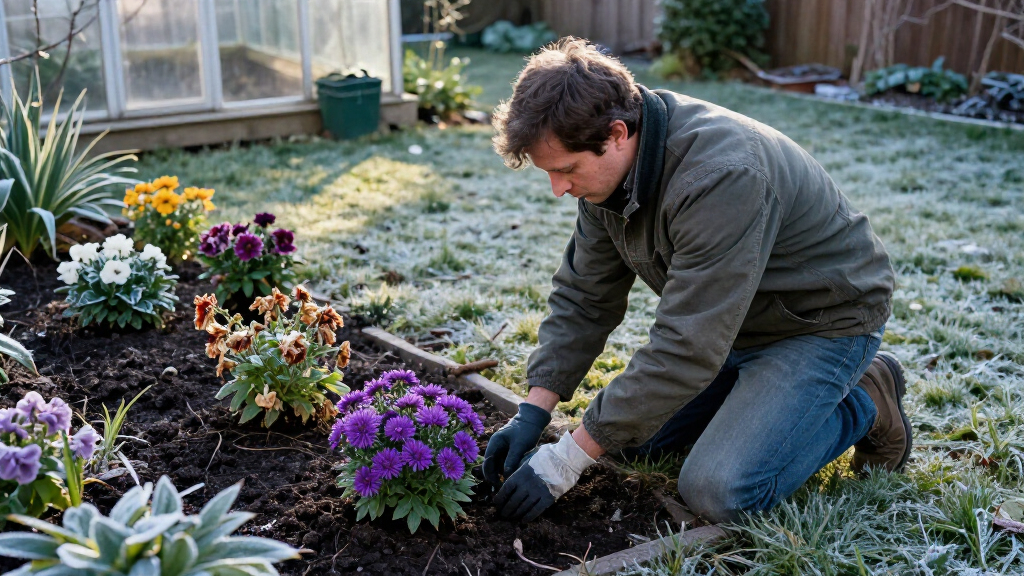
After the flowers fade, the dried heads can remain in place into winter and may look especially striking when touched by frost or light snow, the report says. Landscape gardener Kat Aul Cervoni, founder of Staghorn Living, recommends giving most sedums at least six hours of direct sun and planting them in soil that drains well. She also describes using them in sunny containers with free-draining soil.
Keeping Borders Structured After Frost
The appeal is not limited to the flowers themselves. When frost ends the display of less cold-tolerant or shorter-lived blooms, upright stonecrop can leave visible shape and texture in a bed. That can help a garden look less bare through late autumn and winter without requiring gardeners to replace every faded plant with seasonal purchases.
The report also connects the plant’s extended season to wildlife: its late flowers provide a food source for pollinating insects, while its remaining structure can continue to contribute to the garden after bloom. These are practical reasons to consider stonecrop in a border, especially for gardeners seeking multi-season value from a perennial. The report does not quantify wildlife benefits or compare stonecrop with other winter-interest plants, so the recommendation is guidance rather than a measured ranking.
As an affiliate, we earn on qualifying purchases.
From Sedum to Hylotelephium
“Sedum” is used broadly in everyday gardening, but the source explains that the genus includes plants with very different growth habits, from tiny rock-garden species to larger perennials. Some familiar tall, clump-forming plants were reassigned by botanists to Hylotelephium. This explains why shoppers may encounter different names for what is commonly known as ‘Autumn Joy’ stonecrop.
Regardless of the label, the report’s advice focuses on the growing conditions shared by many of the plants discussed: sun and good drainage. Stonecrop’s common name reflects its ability to grow in rocky places, but gardeners should still match a cultivar to their site and check its mature size. The supplied report mentions examples with different dimensions, rather than suggesting every sedum reaches the same height or spread.
“Few perennials manage to look good for so many months while requiring so little attention.”
— Matt Mattus, senior director of horticulture at the American Horticultural Society
frost-resistant flowering plants for garden
As an affiliate, we earn on qualifying purchases.
As an affiliate, we earn on qualifying purchases.
Local Conditions Shape Winter Display
The report does not specify a growing zone, local frost dates or the winter conditions under which a particular cultivar will retain its flower heads. Performance can vary with climate, exposure, drainage and variety, so the source does not establish that every stonecrop will remain attractive through every winter. It also offers no comparative trial showing that sedum outperforms other perennials for post-frost interest.
The report’s low-maintenance descriptions are general gardening guidance, not a promise that a plant will need no care in every garden. It does not provide a watering schedule, planting calendar or detailed cultivar-by-cultivar hardiness information. Gardeners should check the plant label and local advice before choosing a variety for a specific site.
As an affiliate, we earn on qualifying purchases.
Choosing and Planting Stonecrop
Gardeners considering the plant can look for ‘Autumn Joy’ or another tall perennial stonecrop at a nursery, allowing for the possibility that its label uses the name Hylotelephium. Before planting, check the cultivar’s mature height and spread, select a sunny spot and avoid poorly drained ground, in line with the advice from Cervoni and the report.
As the season progresses, the flower heads can be left standing after flowering to preserve their winter structure. The report provides no specific forecast or upcoming event; the next practical step for readers is to check local growing guidance and decide whether a sunny border or container can meet the plant’s needs.
As an affiliate, we earn on qualifying purchases.
Key Questions
Which flower does the report recommend for interest after the first frost?
It recommends tall perennial stonecrop, commonly called sedum, and singles out ‘Autumn Joy’ as a familiar cultivar.
Why can stonecrop still look good after frost?
The report says its faded flower heads can remain standing into winter, providing shape and texture, particularly when covered by frost or light snow.
How much sun does sedum need?
Landscape gardener Kat Aul Cervoni says most sedums do best in full sun, ideally receiving at least six hours of sunlight. Needs may vary by variety and location.
Is ‘Autumn Joy’ still called sedum?
Gardeners and nurseries commonly use the name sedum, but the report says the plant may also be labeled Hylotelephium ‘Autumn Joy’ because of a botanical reclassification.
Source: rss
Halloween Picks
halloween
As an affiliate, we earn on qualifying purchases.