
TL;DR

Get garden gear delivered free with Prime
- Fast, free delivery on millions of items
- Prime Video, Amazon Music and more included
- Member-only deals all year
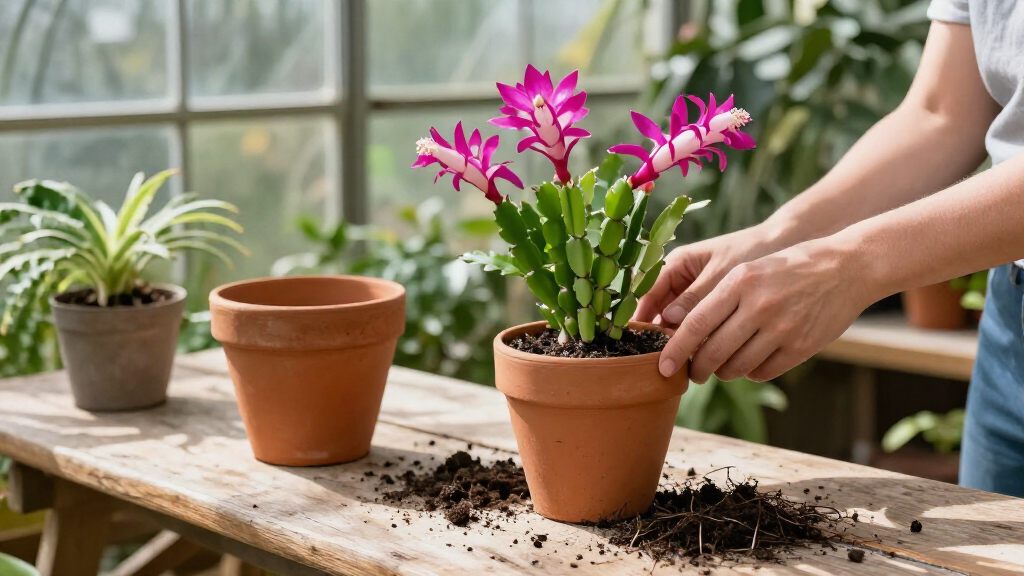
Houseplant experts advise repotting a Christmas cactus in spring, after it has finished flowering and begun new growth. Repotting in autumn can disturb developing buds and may cause them to drop; urgent problems such as rotting roots or a cracked pot are exceptions.
Garden experts advise waiting until spring to repot a Christmas cactus, after its flowers fade, because disturbing the plant as it forms buds in autumn may cause those buds to drop. The timing matters for owners hoping to preserve the plant’s festive-season blooms, though repotting may be necessary sooner if the pot is damaged or the roots are rotting.
Jo Lambell, founder of Beards & Daisies, told Ideal Home that spring is the best time to repot, once flowering has finished. She said the plant is then starting to produce new growth and can settle into a new pot more easily. The advice is to wait for the bloom period to pass rather than repot simply because the cactus looks large or its container seems snug.
Lambell said Christmas cacti do not need frequent repotting. They can prefer a slightly snug pot, and she suggested that repotting every two or three years is generally enough. That is guidance, not a fixed schedule for every plant: whether a cactus needs a new container depends on its condition and growing circumstances.
Autumn repotting is discouraged because the plant begins setting flower buds around October, according to Lambell. Disturbing it at that stage may cause buds to fall, potentially reducing or preventing the season’s display. She identified a cracked pot or soggy, rotting roots as reasons to act sooner. In those cases, she recommends handling the plant gently, keeping the root ball as intact as possible and returning it to the same spot.
Protecting Buds Before the Holidays
The advice gives plant owners a practical way to weigh routine care against near-term flowering. A cactus that looks crowded is not necessarily in trouble: repotting it during bud formation may create avoidable stress at the time when many owners want it to bloom. Waiting until spring can protect this year’s flowers while giving the plant a better chance to adjust during active new growth.
At the same time, waiting is not appropriate if the plant has a serious problem. A cracked container or evidence of waterlogged, rotting roots may call for intervention despite the timing. The reported guidance distinguishes cosmetic concerns from urgent plant-health issues, rather than treating a particular month as an absolute rule.
Christmas cactus pot with drainage holes
As an affiliate, we earn on qualifying purchases.
As an affiliate, we earn on qualifying purchases.
Spring Repotting and Plant Needs
The seasonal recommendation comes from an Ideal Home report that asked houseplant specialists when to repot a Christmas cactus. Its advice centers on the plant’s flowering cycle: buds begin forming in autumn, blooms follow during the festive season, and spring is the suggested window for repotting after flowering ends and new growth begins.
The report also notes that healthy parts of a badly affected plant may be used for propagation. Andy Little, houseplant buyer at British Garden Centres, said rotten sections can be removed and healthy sections used to try to grow new plants. He, too, said propagation is best done in spring. The report does not provide a specific diagnosis guide or detailed repotting procedure, so owners unsure about root damage may need advice based on the plant’s actual condition.
“The best time to repot a Christmas cactus is in spring, once it has finished flowering.”
— Jo Lambell, founder of Beards & Daisies, speaking to Ideal Home
well draining potting mix for Christmas cactus
As an affiliate, we earn on qualifying purchases.
As an affiliate, we earn on qualifying purchases.
When Waiting May Not Work
The report does not set out how to identify every case of root rot, how much damage warrants immediate repotting, or how to handle different growing conditions. Lambell’s warning is that disturbance can make buds drop; it does not establish that every autumn repotting will prevent flowering. The plant’s response may vary, and the source gives no quantified likelihood of bud loss.
It is also not clear from the report whether a particular plant should be repotted based on pot size alone. Its general guidance is to repot infrequently and act sooner for problems such as a cracked pot or rotting roots. Owners should assess the plant’s health rather than rely only on a two-to-three-year interval.
small terracotta plant pot with drainage saucer
As an affiliate, we earn on qualifying purchases.
As an affiliate, we earn on qualifying purchases.
Wait for Flowers to Finish
For a healthy cactus already forming buds, the recommended next step is to leave it undisturbed through flowering and plan any needed repotting for spring, after the blooms have faded. If a pot is cracked or roots appear soggy and rotten, the report’s experts say to handle the plant gently, preserve as much of the root ball as possible and return it to its usual spot.
Owners considering propagation from damaged plants can wait until spring where possible and use healthy sections, following Little’s advice. The report gives no set calendar date for repotting: the practical milestone is the end of flowering and the start of new growth.
root rot treatment for houseplants
As an affiliate, we earn on qualifying purchases.
As an affiliate, we earn on qualifying purchases.
Key Questions
When should I repot a Christmas cactus?
Spring, after flowering has finished, is the recommended time. The plant is beginning new growth and may settle into a new pot more readily.
Can repotting in autumn affect Christmas cactus flowers?
It may. Jo Lambell told Ideal Home that buds begin forming around October and disturbance can cause them to drop, which could reduce the plant’s festive-season blooms.
How often does a Christmas cactus need repotting?
Lambell said these plants do not need frequent repotting and suggested that every two or three years is plenty. A plant’s condition matters more than following a strict timetable.
Should I wait if the pot is cracked or the roots are rotting?
The report identifies a cracked pot and soggy, rotting roots as reasons to repot sooner. Lambell advises keeping the root ball as intact as possible, handling the plant gently and returning it to the same spot.
Can I propagate a damaged Christmas cactus?
Andy Little of British Garden Centres said rotten parts can be removed and healthy sections used to try to grow new plants. He said spring is the best time to do this where possible.
Source: rss
Halloween Picks
halloween
As an affiliate, we earn on qualifying purchases.