
TL;DR

Get garden gear delivered free with Prime
- Fast, free delivery on millions of items
- Prime Video, Amazon Music and more included
- Member-only deals all year
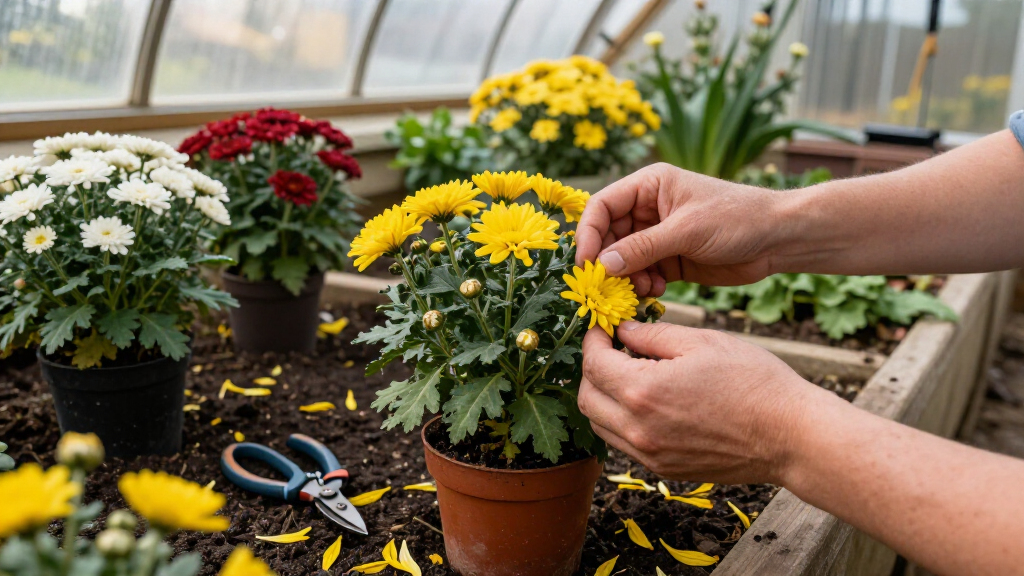
Rural Sprout says deadheading spent flowers on decorative potted mums bought in early fall is unlikely to produce another flush of blooms before colder, shorter days arrive. The report recommends buying around mid-September and managing sunlight, watering and temperature; its advice is based on the author’s gardening experience, not cited trials.
Rural Sprout is challenging the common recommendation to deadhead fall potted chrysanthemums, arguing that removing spent flowers from decorative mums bought in September is unlikely to prompt another bloom before colder weather. The report instead recommends attention to purchase timing, sunlight, water and temperature, though it presents the guidance as gardening experience rather than research findings.
The report distinguishes between mums grown through the summer and the greenhouse-grown, potted plants commonly sold for fall displays. It says commercial mums are pinched back earlier in the season to encourage a dense, coordinated bloom in autumn. By the time many are purchased, days are shortening and temperatures are dropping, conditions the author says leave little time for new buds to form and open.
According to the article, deadheading can lead to new flowers, but the process may take four to six weeks. The author says a successful second flush would also depend on roughly eight to 10 hours of daylight, daytime temperatures in the upper 60s to 70s Fahrenheit and nights staying above the lower 50s. Those conditions may not persist late in fall, the report argues.
As alternatives, the article advises buying mums around mid-September, choosing a spot with suitable sunlight because strong sun can fade blooms, watering daily, and monitoring temperature swings. It does not provide controlled comparisons or specify a single watering amount; actual care needs can vary with the plant, pot, weather and growing conditions.
Keeping Fall Mums in Bloom
The advice speaks to a familiar seasonal purchase: potted mums are often bought for a concentrated display of fall color. If the report’s timing explanation applies to a particular plant, removing spent flowers may take effort without producing a visible second round of blooms before winter weather sets in. Care conditions may matter more to how long the existing flowers look good.
The distinction also prevents readers from treating all chrysanthemums alike. A garden-grown perennial with a longer growing season is not necessarily in the same situation as a potted plant bought just as fall begins. The report’s guidance is practical, but it should not be read as proof that deadheading never helps or that every potted mum will respond identically.
Products Worth Considering

Philips Hue Festavia Globe Outdoor String Lights, 32 Bulbs, 91 ft

Ring Alarm 14-Piece Wireless Security System Kit

Shark Navigator Robot Vacuum with Self-Empty Base, Dark Grey (RV2120AE)
As an affiliate, we earn on qualifying purchases.
Potted Displays Versus Garden Mums
The Rural Sprout article notes that hardy garden mums can be perennials, while a potted mum purchased for a brief fall display may be treated as a short-lived seasonal plant. It says gardeners can try to overwinter some plants and establish them in the garden, but the report points readers to separate instructions for that process rather than detailing it here.
Its criticism is aimed specifically at advice promising a second flush or longer-lasting display from deadheading late-season decorative mums. The author says deadheading has a role when plants have enough growing time, but argues that late-fall timing changes the outcome. No publication date or independent horticultural study is supplied in the source material.
““Deadhead Your Mums for a Second Flush of Flowers!””
— Rural Sprout report
What the Advice Cannot Establish
The source is an experience-based gardening report and does not cite trials comparing deadheaded and untouched potted mums. It is not clear how broadly its timing and temperature guidance applies across different cultivars, climates and growing conditions. The article also does not define how much water “daily” means or explain how gardeners should adjust watering after rain, in cooler weather or in different potting mixes.
Its claims concern decorative mums bought in fall, not every chrysanthemum or every point in the growing season. Whether a plant can rebloom depends on its condition and local weather, and the source does not establish that a second flush is impossible in all cases.
Practical Steps for Fall Displays
Readers following the report’s approach can buy plants around mid-September, place them where they receive appropriate light, check moisture regularly and protect them from unsuitable temperature swings. Rather than relying on a promise of new flowers after deadheading, they can judge the display by the condition of its existing blooms and remove faded flowers only if they prefer the appearance.
For gardeners hoping to keep mums beyond the fall display, the source suggests overwintering as a separate option but gives no detailed steps in the material provided. Local growing guidance and the plant’s label can help determine whether a particular mum is suited to garden planting and what care it needs. Further evidence or expert guidance would be needed to compare deadheading outcomes across varieties and climates.
Key Questions
Does deadheading fall mums produce more flowers?
Rural Sprout says deadheading can encourage new blooms, but potted mums bought in early fall may not have the four to six weeks and suitable daylight and temperatures the report says are needed. A second flush is not ruled out in every situation.
When does the report recommend buying potted mums?
It recommends buying around mid-September, though the best timing can vary with local weather and the plant’s condition.
How should I care for potted mums instead of deadheading?
The report suggests choosing an appropriate location for sunlight, watering regularly and watching temperature changes. It says strong sun can fade flowers, but gives no universal watering quantity; check soil moisture and the plant’s care label.
Are all mums disposable annuals?
No. The report distinguishes hardy garden mums, which can be perennials, from potted fall displays often grown for a concentrated seasonal bloom. Whether a specific plant can overwinter depends on its type and local conditions.
Source: rss