
TL;DR
Gardening Know How recommends eight fall measures to make garden areas less attractive to snakes, including clearing hiding places, keeping grass short and reducing food sources. The article identifies October as a useful time to act as temperatures fall and some snakes seek sheltered places to brumate; the timing and effectiveness can vary by location and species.
Gardening Know How has published eight steps for making frequently used garden areas less attractive to snakes, recommending action in October as temperatures fall and reptiles may begin seeking sheltered places to brumate. The advice focuses on reducing cover and food sources rather than harming snakes, many of which the report says help control rodents and garden pests.

Get garden gear delivered free with Prime
- Fast, free delivery on millions of items
- Prime Video, Amazon Music and more included
- Member-only deals all year
The report advises gardeners to identify cool, damp, dark hiding places and clear clutter, fallen leaves and dense vegetation from areas used regularly. It suggests moving woodpiles or compost farther from the house where practical, while allowing people who want to support wildlife to retain shelter in less-used parts of a yard. For trimming, the article cautions readers to use tools rather than reach into possible hiding places by hand.
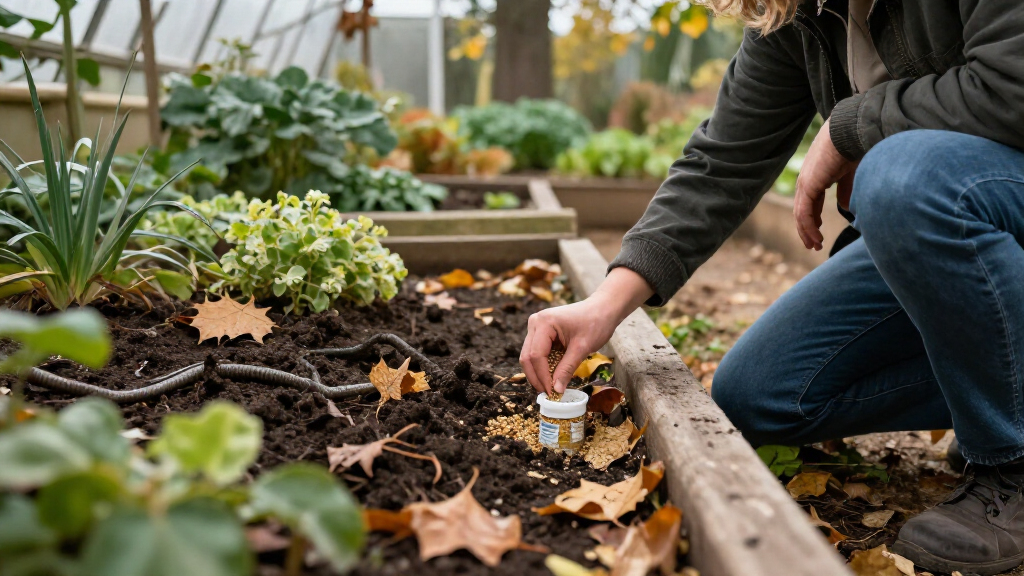
Other steps include keeping lawn grass at 3 inches or less, trimming vegetation along lawn edges, and pruning low branches on dense shrubs to expose the ground. For garden beds, it recommends fine compost instead of chunky bark or straw, which it describes as potential cover. The list also advises reducing rodents and insects attracted to spilled birdseed, using less-waste seed or a feeder tray, and closing gaps in sheds and other structures.
The eighth step is to inspect and seal access gaps around sheds, summerhouses and the home. Gardening Know How suggests steel wool as a temporary barrier and says repairs should be done in the middle of the day, when it expects snakes to be more active outside. The report does not provide research citations or quantify how much any one measure reduces the chance of an encounter.
Reducing Shelter Near Busy Areas
The recommendations matter most to people seeking to reduce the chance of encountering a snake in spaces they use, such as paths, lawns and areas near a home. Removing clutter and limiting cover can make those places less suitable for hiding, while managing spilled birdseed may reduce food sources for rodents that can attract some snakes.
The approach also distinguishes deterring snakes from killing them. The source notes that many snakes are not venomous and can benefit gardens by eating rodents, slugs and insects. Keeping suitable habitat in a less-used corner, where appropriate, may let gardeners set boundaries without trying to remove all wildlife from a yard.
Products Worth Considering

Philips Hue Festavia Permanent Outdoor String Lights, 80 Lights, 150 ft

Dyson V8 Cyclone Cordless Vacuum

Dyson V9 Motorbar Cordless Vacuum
As an affiliate, we earn on qualifying purchases.
Why the Report Focuses on October
According to Gardening Know How, some snakes begin looking for protected, frost-free places as fall temperatures drop to around 60°F. It describes brumation as a period of reduced activity, similar to hibernation but less deep, and says snakes may seek places such as sheltered garden structures. The exact timing will depend on local weather and the species present.
The source also says snakes may be hungry in October as they build energy reserves before winter and may return to the same sheltered areas to breed. It gives a typical female brood size of 10 to 30 young, but does not specify which species that figure represents or provide a geographic range. These points are presented as the report’s rationale for fall maintenance, not as a guarantee that a particular garden will attract snakes.
““October is the very best time of the year to make your yard inhospitable to snakes.””
— Gardening Know How
Local Conditions Shape Snake Activity
The report does not identify a specific state or region, and its October timing may not apply uniformly across the United States. Snake activity and brumation patterns differ by species, climate and local conditions; the source gives no regional guidance or supporting study for its recommended temperature threshold. It also does not establish that the eight steps will prevent snakes from entering a property.
Readers are not given a method for identifying local species or a detailed response plan for finding a snake. The article’s broad estimate for venomous species and brood size is not broken down by location or species. Anyone unsure about a snake’s identity or safe removal should seek guidance from local wildlife authorities rather than handle it.
Practical Fall Yard Checks
Gardeners following the report can start by checking frequently used areas for clutter, dense ground cover and gaps in outbuildings, then make changes suited to their yard and local climate. When clearing vegetation or moving materials, use tools, keep hands out of concealed spaces and avoid attempting to pick up a snake. The source warns that ordinary gardening gloves should not be treated as protection from a bite.
The next step is to maintain the changes through fall: keep grass trimmed, manage spilled birdseed and check that gaps remain closed. The report does not set out a monitoring schedule or promise a particular outcome, so the practical result will need to be judged locally. Further guidance from local wildlife or extension services can help account for the snake species and seasonal patterns in a particular area.
Key Questions
Why does Gardening Know How recommend acting in October?
The report says falling temperatures can prompt some snakes to seek sheltered places for winter brumation, while snakes may also be actively looking for food. The timing varies with species and local weather.
Which garden changes does the report recommend?
It recommends clearing clutter, keeping grass short, pruning low shrub branches, using fine compost mulch, reducing spilled birdseed and sealing gaps in sheds and other structures.
Does the article say all snakes are dangerous?
No. Gardening Know How says many snakes are helpful because they eat rodents and other garden pests, and that only a portion of native U.S. snake species are venomous. Gardeners should not handle snakes they cannot identify.
Will these steps guarantee a snake-free garden?
No guarantee is given. The report presents the measures as ways to make frequently used garden areas less attractive, but does not quantify their effectiveness or account for every local species and condition.
Source: rss