
TL;DR

Get garden gear delivered free — and shop member deals
- Fast, free delivery on millions of items
- Access to Prime Big Deal Days deals on October 6–7
- Prime Video, Amazon Music and more included
LEGO has launched a new collection of brick-built houseplants, attracting attention from hobbyists and plant enthusiasts. While confirmed as a new product line, opinions vary on whether they surpass real plants in appeal or utility. The development highlights a trend toward decorative, maintenance-free greenery.
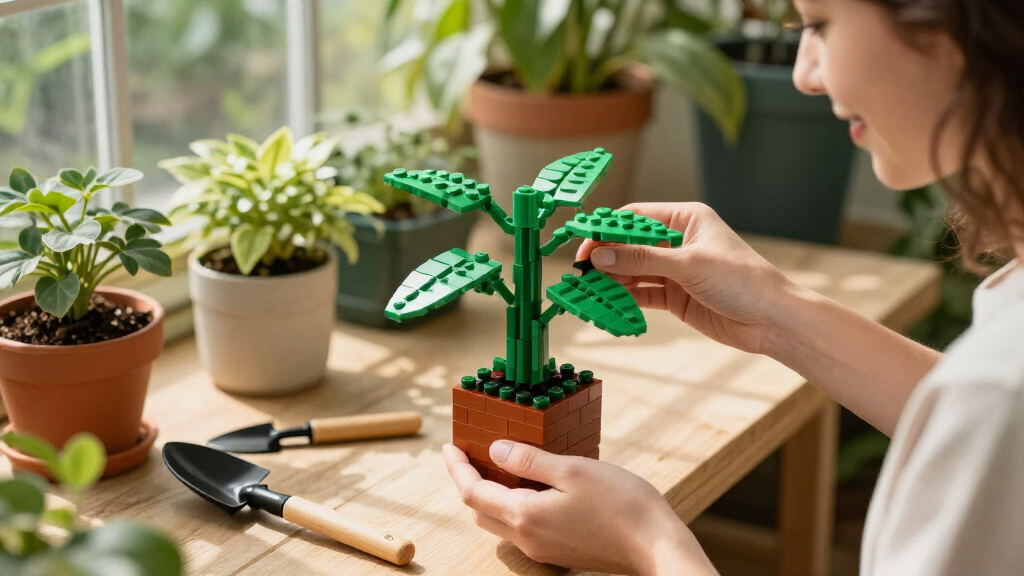
LEGO has officially launched a new collection of brick-built houseplants, designed to mimic real greenery while offering a maintenance-free alternative. The product, confirmed by LEGO representatives, aims to appeal to both hobbyists and those seeking decorative indoor elements without the upkeep of real plants. This development matters because it reflects broader trends in home decor and sustainable living, and it raises questions about the future of plant-based interior design.
The new LEGO houseplants are part of an expanded line of decorative LEGO elements, featuring detailed, miniature versions of popular indoor plants such as pothos, succulents, and ferns. LEGO has confirmed these sets will be available for purchase starting next month, with prices ranging from $15 to $30 depending on complexity and size. The sets are designed for easy assembly, with realistic leaves, stems, and pots, and are marketed as a way to add greenery to homes without the need for watering, sunlight, or pruning.
According to LEGO, the new plant sets are made from their standard interlocking bricks, with some versions including specialized pieces to better mimic natural textures. The company emphasizes that these are not intended to replace real plants but to serve as decorative objects that can be customized and rearranged. Early reactions from hobbyists suggest they are popular among LEGO fans and interior decorators looking for low-maintenance decor options. The launch follows a surge in search interest for “fake plants” and “decorative LEGO sets,” although the exact cause of this spike remains unconfirmed.
Potential Impact on Home Decor and Plant Care
The introduction of LEGO houseplants could influence how people decorate their living spaces, especially for those who lack time or interest in caring for real plants. These brick-built versions offer a reusable, customizable alternative that can appeal to both children and adults. Additionally, they may impact the market for artificial plants, which are often made from plastic and lack the tactile appeal of real greenery. The development also underscores a growing trend toward sustainable, low-maintenance interior design options, though some critics question whether these LEGO plants can truly replicate the aesthetic and emotional benefits of real plants.
As an affiliate, we earn on qualifying purchases.
Growing Interest in Artificial and Decorative Plants
Interest in artificial plants and home decor has been rising over the past few years, driven by urban living, busy lifestyles, and increased awareness of sustainability. While real houseplants have gained popularity for their air-purifying qualities and natural beauty, many people find caring for them challenging. The trend toward low-maintenance decor solutions has led to a boom in artificial plants, which can be more durable and require no watering or sunlight. LEGO’s entry into this space is part of a broader pattern of integrating playful, customizable objects into interior design, with the recent surge in online searches for fake plants and decorative LEGO sets indicating a strong consumer appetite for creative, maintenance-free greenery.
As an affiliate, we earn on qualifying purchases.
Unconfirmed Market Reception and Long-Term Appeal
It remains unclear how widely these LEGO houseplants will be adopted by consumers, especially compared to real or artificial plants. While initial reactions are positive among hobbyists and decorators, it is not yet confirmed whether they will gain sustained popularity or influence interior design trends significantly. Additionally, questions about their environmental impact, longevity, and overall aesthetic value compared to real greenery are still open. Market data on sales performance and consumer feedback will be available in the coming months to better assess their success.
As an affiliate, we earn on qualifying purchases.
Next Steps for LEGO and Consumer Adoption
LEGO plans to expand its plant collection with additional varieties and possibly collaborate with interior designers to promote these products. Consumer feedback and sales figures over the next quarter will determine whether the trend continues to grow. Meanwhile, industry experts will monitor whether these brick-built plants influence other home decor products or inspire similar innovations from competitors. Retailers and online platforms will likely track sales trends and customer reviews to gauge long-term interest.
As an affiliate, we earn on qualifying purchases.
Key Questions
Are LEGO houseplants suitable for outdoor use?
LEGO has designed these houseplants primarily for indoor decoration. They are made from standard LEGO bricks, which are not weatherproof, so outdoor use is not recommended.
Can the LEGO houseplants be customized or rearranged?
Yes, the sets are designed for easy assembly and customization. Owners can rearrange the bricks to create different plant styles or arrangements.
How durable are these LEGO plants compared to real or artificial plants?
LEGO plants are highly durable, resistant to damage, and reusable. However, they lack the natural aesthetic and sensory qualities of real plants and may not provide the same emotional benefits.
Will LEGO release more plant varieties in the future?
LEGO has indicated plans to expand its plant collection, so additional varieties and styles are likely to be announced based on demand and market response.
Are the LEGO houseplants eco-friendly?
LEGO bricks are made from ABS plastic, which is durable but not biodegradable. While the bricks are reusable, their environmental impact depends on manufacturing and disposal practices, which have not been specifically addressed for this product line.
Source: rss
Fall yard work Picks
leaf blowers
As an affiliate, we earn on qualifying purchases.