TL;DR

Get garden gear delivered free with Prime
- Fast, free delivery on millions of items
- Prime Video, Amazon Music and more included
- Member-only deals all year
Garden experts recommend pruning six specific plants in September to maintain a tidy fall garden. Proper pruning helps promote healthy growth and prepares plants for winter, but some plants should be left untouched. This trend is gaining interest amid seasonal garden planning.
Gardening experts advise homeowners to prune six specific plants in September to ensure a tidy and healthy fall garden. This seasonal pruning helps promote plant health, encourages robust growth, and prepares plants for winter dormancy, making it an important step for gardeners aiming for a well-maintained landscape.
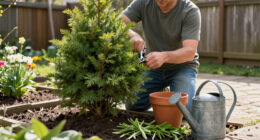
According to horticultural sources, six plants are recommended for pruning during September: hydrangeas, roses, butterfly bushes, spirea, viburnum, and lavender. Proper pruning involves removing dead or damaged branches, shaping the plants, and encouraging new growth before colder weather takes over fall beds. Experts emphasize that timing is crucial; pruning too early or too late can impact plant health and flowering.
Additionally, gardeners are advised to avoid pruning certain plants in September, such as evergreen trees and some fruit-bearing shrubs, which may be vulnerable to winter injury if cut at the wrong time. The guidance aims to balance aesthetic tidiness with plant health, ensuring the garden remains attractive and resilient through the fall and winter months.
Why September Pruning Is Key for Fall Garden Care
Proper pruning in September is vital for maintaining a tidy appearance and promoting healthy growth in the upcoming seasons. It helps prevent disease by removing dead or diseased branches and encourages new growth that can withstand winter conditions. For homeowners, this practice can reduce garden cleanup in fall and improve flowering and fruiting in the following year.
Furthermore, understanding which plants to prune and which to leave uncut can impact the overall health and aesthetics of the garden. As interest in sustainable and low-maintenance gardening grows, timely pruning becomes an essential part of responsible garden management.
Products Worth Considering

Ring Alarm 8-Piece Kit (2nd Gen) Home Security System

Blueair Blue Pure 511i Max Smart Air Purifier

iRobot Roomba Plus 678 Robot Vacuum and Mop with AutoWash Dock
As an affiliate, we earn on qualifying purchases.
Seasonal Pruning Trends and Garden Planning
The trend of focusing on seasonal pruning has seen a spike in gardening searches and articles, especially as homeowners prepare their gardens for winter. While the specific advice on which plants to prune in September is longstanding among horticulturists, recent coverage suggests increased public interest. This may be driven by a broader movement toward sustainable gardening, where proper plant care reduces the need for chemical treatments and excessive cleanup.
However, the exact timing and scope of pruning can vary depending on climate zones and plant varieties. The current focus on September pruning reflects a growing awareness of seasonal garden management but is based on long-established horticultural principles rather than a new development.
Unconfirmed Aspects of September Pruning Recommendations
It is not yet clear whether the specific plants recommended for September pruning will vary significantly by climate zone or individual garden conditions. Additionally, the long-term impacts of late-season pruning on flowering and fruiting are still being studied, and some experts suggest timing may need adjustment based on local weather patterns.Next Steps in Seasonal Garden Care and Research
Gardeners are encouraged to consult local horticultural guidelines and observe their plants for signs of readiness before pruning. Ongoing research into optimal pruning times for different climates and plant varieties may refine recommendations further. Additionally, garden centers and extension services are expected to provide updated advice as new studies emerge.
In the coming weeks, gardeners should monitor weather forecasts to avoid pruning during unexpected cold snaps and prepare for winter by mulching and protecting sensitive plants.
Key Questions
Which six plants should I prune in September?
The recommended plants for pruning in September include hydrangeas, roses, butterfly bushes, spirea, viburnum, and lavender. These plants benefit from removal of dead or damaged branches and shaping before winter.
Are there plants I should avoid pruning in September?
Yes, evergreen trees and some fruit-bearing shrubs should generally not be pruned in September, as pruning at this time may increase their vulnerability to winter damage. It’s best to prune these in late winter or early spring.
How do I know if my plants are ready for pruning?
Look for signs of dead or diseased branches, or overgrowth that affects the plant’s shape. Avoid pruning during cold or frosty weather, and always use clean, sharp tools to minimize damage.
Will pruning in September affect next year’s flowering?
In many cases, proper pruning in September can promote better flowering next year. However, some plants bloom on old wood and should be pruned immediately after flowering, so timing varies by species.
What tools should I use for pruning in September?
Use clean, sharp pruning shears or loppers suitable for the size of the branches. Disinfect tools before use to prevent disease spread, and wear gloves for protection.
Source: rss