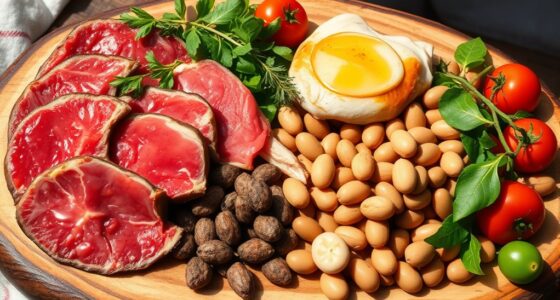
To boost your lifespan, adopt longevity diets inspired by the Mediterranean and Blue Zone eating patterns. Focus on plant-based, nutrient-rich foods like fruits, vegetables, whole grains, nuts, and legumes. Incorporate balanced eating habits, such as moderating portions and enjoying healthy fats and fish. Consider intermittent fasting to enhance cellular repair. By embracing these principles, you’ll support your health and longevity. Keep exploring how these diets can fit into your lifestyle for lasting benefits.
Key Takeaways
- Both diets emphasize plant-based, minimally processed foods like fruits, vegetables, whole grains, nuts, and legumes to promote longevity.
- The Mediterranean diet highlights olive oil, fish, and moderate wine consumption, aligning with Blue Zone patterns of moderate, sustainable eating.
- Incorporating intermittent fasting and cycling between eating and fasting supports cellular repair and reduces inflammation.
- These diets prioritize nutrient-dense foods that help manage weight, improve metabolic health, and lower chronic disease risk.
- Sustainable, enjoyable eating habits in Blue Zones demonstrate that longevity is linked to balanced, mindful dietary patterns.

As more people seek ways to extend their lifespan and improve their quality of life, longevity diets have gained popularity for their focus on nutritious, plant-based foods and balanced eating patterns. These diets emphasize the importance of choosing whole, minimally processed foods that promote health and reduce the risk of chronic diseases. One effective approach you might consider is intermittent fasting, which involves cycling between periods of eating and fasting. This practice can help regulate insulin levels, reduce inflammation, and support cellular repair, all of which contribute to longevity. Many longevity diets incorporate intermittent fasting as a way to enhance the benefits of a chiefly plant-based diet, encouraging you to consume fewer calories while still nourishing your body with nutrient-dense foods.
Longevity diets combine plant-based eating with intermittent fasting to promote health and extend lifespan.
Plant-based diets are central to many longevity eating patterns, especially those inspired by the Mediterranean and Blue Zone regions. These diets prioritize fruits, vegetables, whole grains, nuts, seeds, and legumes, creating a rich array of antioxidants, fiber, and healthy fats. By focusing on plant-based foods, you reduce intake of saturated fats and processed ingredients, which are linked to inflammation and age-related illnesses. Incorporating more plant-based meals into your routine can be straightforward—swap out red meats for legumes or nuts, add extra vegetables to your dishes, and aim for variety in your plant choices. These habits not only support your overall health but also align with longevity principles observed in communities known for their impressive lifespan averages. Additionally, understanding the nutritional benefits of chia seeds can help you include these versatile seeds in your diet to further support digestive health and overall wellness.
In many Blue Zone areas, residents follow traditional diets that are chiefly plant-based, with moderate wine consumption and small portions. These regions demonstrate that longevity isn’t about strict restrictions but about sustainable, enjoyable eating patterns. The Mediterranean diet exemplifies this approach, emphasizing olive oil, fish, and plant foods while limiting processed snacks and sweets. Combining principles from these diets with intermittent fasting can amplify their benefits, helping you maintain a healthy weight, improve metabolic health, and potentially slow down the aging process. By choosing foods that nourish your body and adopting mindful eating patterns, you’re setting yourself up for a longer, healthier life.
Ultimately, embracing a longevity diet means making consistent, informed choices. Incorporate more plant-based foods into your meals, consider intermittent fasting to give your body time to recover and repair, and enjoy a variety of nutrient-rich ingredients. These strategies work together to optimize your health, reduce disease risk, and support a vibrant, extended lifespan. With dedication and mindful eating, you can harness the power of these proven patterns to enhance your well-being now and into the future.
Frequently Asked Questions
How Does Genetics Influence Longevity Diets?
Your genetics influence your longevity diet through genetic predisposition and epigenetic factors. Your genetic makeup can determine how your body processes nutrients and responds to certain foods, affecting your overall health. Epigenetic factors, influenced by your lifestyle and diet, can turn genes on or off, impacting aging and disease risk. By understanding these, you can tailor your diet to support healthy aging and maximize longevity.
Are Supplements Necessary in Mediterranean and Blue Zone Diets?
You might be surprised to learn that only about 10% of people in Mediterranean and Blue Zone diets use supplements regularly. Supplement necessity varies; most individuals get enough nutrients from whole foods. Nutrient supplementation isn’t always necessary if your diet includes plenty of fruits, vegetables, whole grains, and healthy fats. Focus on balanced eating first, and only consider supplements if you have specific deficiencies or medical advice suggests it.
Can These Diets Be Adapted for Plant-Based Lifestyles?
Yes, you can adapt these diets for a plant-based lifestyle. Focus on incorporating plant-based proteins like beans, lentils, and tofu, and use healthy fats from olive oil and nuts. For vegan modifications, replace dairy and seafood with plant-based options, and add colorful vegetables and whole grains. These adjustments help you enjoy the benefits of longevity diets while sticking to your plant-based principles.
What Role Does Social Eating Play in Lifespan Extension?
Social eating plays a essential role in lifespan extension by fostering community bonding and strengthening social connections. When you participate in shared meals and social rituals, you reduce stress, boost mental health, and encourage healthier eating habits. These positive social interactions promote a sense of belonging, which research links to increased longevity. So, prioritize communal meals to enjoy both the emotional and physical benefits that can help you live a longer, healthier life.
How Do These Diets Impact Mental Health and Cognitive Function?
Think of your brain as a garden; what you feed it determines how vibrant and resilient it becomes. These diets boost brain health and enhance cognitive resilience by providing nutrient-rich foods like olive oil, nuts, and fish. They reduce inflammation and oxidative stress, which can impair mental function. As a result, you may experience sharper focus, better memory, and a more resilient mind, helping you stay mentally agile well into your later years.
Conclusion
Embracing Mediterranean and Blue Zone eating patterns can considerably boost your lifespan. These diets emphasize plant-based foods, healthy fats, and moderate animal products, all essential for longevity. Did you know that Blue Zones residents often live to 100 or more, thanks in part to their dietary habits? By adopting these patterns, you’re not just eating healthier—you’re increasing your chances of a longer, more vibrant life. Start today, and take a step toward lasting wellness.