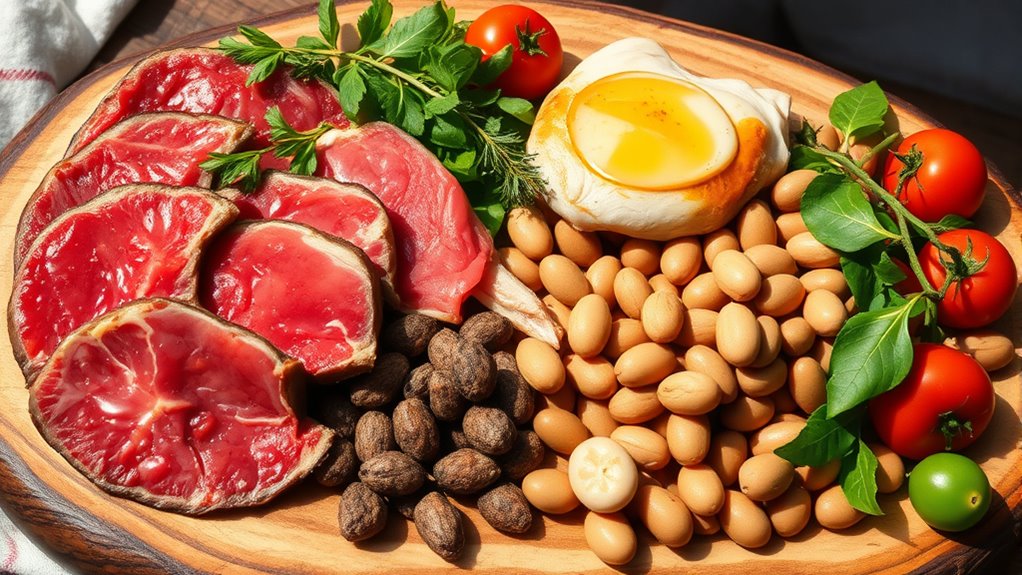

To optimize your diet with whole food protein sources, include nutrient-dense organ meats like liver and heart, which provide essential vitamins and minerals in small servings. Balance these with plant-based options such as legumes, nuts, and seeds that offer fiber, antioxidants, and diverse amino acids. Choosing sustainably sourced options supports both your health and the environment. Keep exploring to discover how to create a balanced, nutrient-rich plan that benefits you and the planet.
Key Takeaways
- Incorporate small servings of organ meats like liver for a nutrient boost rich in vitamins and minerals.
- Combine plant-based proteins such as legumes, nuts, and seeds to diversify amino acid sources and support digestion.
- Choose sustainably sourced foods to enhance environmental health and benefit from regenerative farming practices.
- Balance organ meats and plant proteins to maximize nutrient intake while minimizing excess calories.
- Opt for nutrient-dense options like liver pâté or tahini to efficiently boost protein and micronutrient levels.
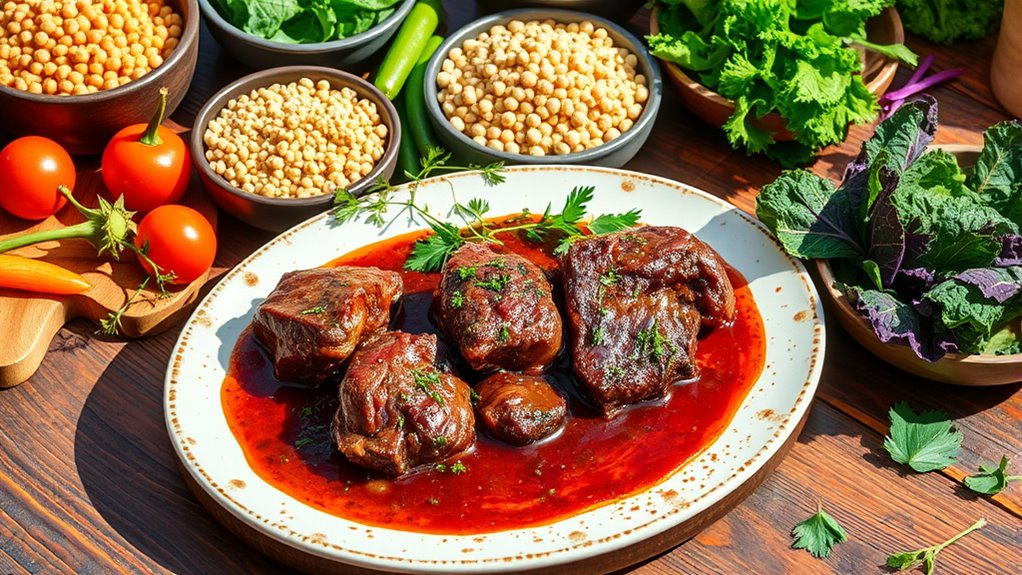
Whole food protein sources are essential for supporting your body’s muscle growth, repair, and overall health. When choosing what to include in your diet, focusing on nutrient density becomes crucial. Nutrient-dense foods provide high levels of essential vitamins, minerals, and amino acids relative to their calorie content, helping you maximize health benefits without excess calories. Incorporating a variety of nutrient-dense whole foods ensures your body gets the necessary building blocks for optimal function. Additionally, selecting protein sources from sustainable farming practices not only benefits your health but also supports environmental conservation. Sustainable farming methods reduce the use of harmful chemicals, promote soil health, and ensure the longevity of food supplies, making your dietary choices more eco-friendly.
Choosing nutrient-dense, sustainably sourced whole foods supports your health and the environment.
Organ meats, such as liver, kidney, and heart, are among the most nutrient-dense foods available. They pack a punch with vitamins like B12, A, and folate, along with minerals such as iron, zinc, and selenium. These nutrients are vital for energy production, immune function, and cellular repair. Since organ meats are so rich in nutrients, a small serving can significantly boost your intake without requiring large quantities. Choosing organ meats from animals raised on sustainable farms ensures you’re consuming products that are ethically sourced and produced with environmental responsibility in mind. These meats tend to be more sustainable because they make use of the entire animal, reducing waste and supporting more efficient farming systems.
Plant-based protein sources, such as legumes, nuts, seeds, and whole grains, also contribute meaningfully to a balanced diet. They are naturally high in fiber, antioxidants, and phytochemicals, supporting digestion and reducing inflammation. Many plant proteins are also more sustainable to produce than animal-based options, especially when grown using regenerative agriculture practices. Incorporating a variety of plants ensures you receive a broad spectrum of amino acids, which are essential for muscle repair and overall health. Moreover, plant proteins tend to have a lower environmental impact, making them an excellent choice for those committed to reducing their ecological footprint.
Focusing on sustainable farming practices when selecting your protein sources can amplify the positive impact on both your health and the environment. Balancing organ meats and plant-based proteins allows you to enjoy a diverse, nutrient-rich diet that supports your health and aligns with sustainable food practices. By prioritizing nutrient-dense options from farms committed to sustainability, you’re investing in your well-being and the planet’s future. Whether you’re adding a liver pâté to your meal or drizzling some tahini over your salad, these choices help you optimize your protein intake while fostering a more responsible and mindful approach to eating. Ultimately, making informed decisions about whole food protein sources empowers you to nourish your body effectively while supporting a healthier planet.

Ican Wild-Caught Iceland Cod Liver (Pack of 3) – 4.27 oz Canned Cod Liver in Own Oil – Rich in Omega-3 & Vitamin D – Keto & Paleo Friendly
- Premium Icelandic Quality: Wild-caught from Iceland's cold waters
- Nutrient-Rich Seafood: High in Omega-3, Vitamin A, D
- Pure 3-Ingredient Formula: Cod liver, natural oil, salt
As an affiliate, we earn on qualifying purchases.
As an affiliate, we earn on qualifying purchases.
Frequently Asked Questions
Are Organ Meats Suitable for All Dietary Restrictions or Allergies?
Organ meats aren’t suitable for all dietary restrictions or allergies. If you have allergy considerations, you should be cautious, especially with common allergens like beef or liver. For those with specific dietary restrictions, such as vegetarian or vegan diets, organ meats aren’t appropriate. Always consult with a healthcare professional before adding organ meats to your diet, especially if you have known allergies or dietary limitations.
How Can I Incorporate Plant-Based Proteins Into My Daily Meals Effectively?
To incorporate plant-based proteins into your daily meals effectively, start with plant-based protein smoothies for quick, nutrient-rich snacks. You can also plan legume meal prep by cooking beans, lentils, or chickpeas in advance, making it easy to add them to salads, soups, or wraps. These strategies guarantee you consistently include plant proteins, boosting your nutrient intake while keeping meals delicious and varied.
What Are the Environmental Impacts of Consuming Organ Meats Versus Other Protein Sources?
Consuming organ meats has a lower ecological footprint compared to traditional meats like beef and pork, offering notable sustainability benefits. They make full use of the animal, reducing waste and resource consumption. In contrast, plant-based proteins generally have a smaller environmental impact, but organ meats can be a more resource-efficient option when considering overall sustainability. By choosing organ meats, you support a more eco-friendly diet, decreasing your overall environmental impact.
Are There Specific Preparation Tips to Reduce the Strong Flavors of Organ Meats?
To reduce the strong flavors of organ meats, you should use flavor masking techniques and proper cooking methods. Marinate the meats in acidic ingredients like lemon juice or vinegar to mellow the taste. Slow cooking or braising can also help break down strong flavors, making them more palatable. Additionally, chopping organ meats finely and combining them with herbs and spices enhances their flavor and minimizes any overpowering tastes.
How Do Nutrient Levels in Plant Proteins Compare to Those in Animal-Based Sources?
You’ll find that plant proteins often have lower bioavailability compared to animal sources, meaning your body absorbs fewer nutrients. However, they typically have diverse amino acid profiles, which can complement other foods. To maximize nutrient intake, combine different plant proteins and include vitamin C-rich foods, which boost absorption. While animal proteins generally offer higher bioavailability, a balanced plant-based diet can still meet your nutritional needs effectively.

Instinct Freeze Dried Meals, Natural Dog Food, Wild-Caught Pollock, 14 oz.
- Enhanced Protein Content: 3x more fish, meat, organs
- Minimally Processed: Never cooked, preserves nutrients
- Supports Overall Health: Boosts muscles, bones, digestion, immunity
As an affiliate, we earn on qualifying purchases.
As an affiliate, we earn on qualifying purchases.
Conclusion
Think of whole food proteins as the roots of your health tree, grounding you with strength and vigor. Incorporating organ meats and plants isn’t just about nourishment—it’s about planting seeds for a vibrant future. Every bite is a branch reaching toward wellness, connecting you to nature’s true gift. Embrace these sources as the foundation of your well-being, and watch your health flourish like a mighty oak, rooted deep and growing strong.
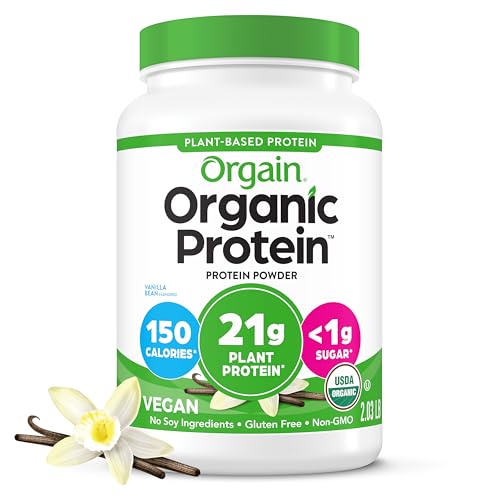
Orgain Organic Vegan 21g Protein Powder, Vanilla Bean, 2.03 lb
- Protein Content: 21g plant-based protein per serving
- Sugar Content: 1g sugar per serving
- Ingredients: Organic peas, rice, chia seeds
As an affiliate, we earn on qualifying purchases.
As an affiliate, we earn on qualifying purchases.

Kate Naturals Organic Spirulina Powder for Immune Support and Antioxidants. Nutrient Dense Superfood Supplement (8 oz, USDA Certified, Non-GMO, Gluten- Free)
- Organic & Non-GMO: USDA certified organic and non-GMO
- Rich in Protein & Nutrients: Contains plant-based protein, amino acids, and iron
- Versatile Ingredient: Easily blends into smoothies, drinks, and recipes
As an affiliate, we earn on qualifying purchases.
As an affiliate, we earn on qualifying purchases.