

Intermittent fasting can boost your metabolic health, support weight management, and lower disease risk by syncing your eating habits with your body’s natural rhythms. Limiting your eating window encourages your body to shift from using glucose to burning stored fat, improving insulin sensitivity and reducing inflammation. Consistent fasting schedules like 16/8 or 5:2 help maintain these benefits. Pay attention to meal quality and stay hydrated—these tips can help you get the most out of fasting. Continue exploring to discover practical strategies for success.
Key Takeaways
- Intermittent fasting regulates your internal clock, supporting efficient metabolism and promoting overall metabolic health.
- Fasting shifts energy use from glucose to stored fat, aiding weight loss and improving insulin sensitivity.
- Consistent fasting schedules reduce inflammation, lower blood pressure, and decrease cholesterol for long-term health benefits.
- Choose a fasting method like 16/8 or 5:2, and focus on nutrient-dense foods during eating windows for optimal results.
- Stay hydrated with water, herbal teas, or black coffee, and prioritize lean proteins and vegetables to fuel your body effectively.

Intermittent fasting has gained popularity as a simple yet effective approach to improving health and managing weight. One of the main reasons it works so well is because it influences your meal timing. Instead of eating constantly throughout the day, you restrict your eating window, which helps regulate your body’s internal clock. This structured approach encourages your body to switch between fasting and fed states, allowing your metabolism to function more efficiently. When you time your meals properly, you’re not only controlling calorie intake but also supporting your metabolic health. Proper meal timing ensures your body can optimize energy use, improve insulin sensitivity, and reduce inflammation, all of which contribute to better overall health.
As you adopt intermittent fasting, you’ll notice that your body begins to adapt to the new eating schedule. During fasting periods, your body shifts from burning glucose to burning stored fat for energy, which can lead to weight loss. But beyond weight management, this shift also enhances your metabolic health. Improved insulin sensitivity means your body handles blood sugar more effectively, reducing the risk of type 2 diabetes over time. Additionally, fasting can lower blood pressure, decrease levels of bad cholesterol, and reduce markers of systemic inflammation. These benefits all stem from the way your body responds to the changes in meal timing, making intermittent fasting a powerful tool for long-term health.
To maximize these benefits, it is essential to choose a fasting schedule that fits your lifestyle and individual needs. Whether you prefer a 16/8 method, where you fast for 16 hours and eat during an 8-hour window, or a 5:2 approach, where you eat normally for five days and markedly decrease calories on two, consistency is key. During eating periods, focus on nutrient-dense foods—lean proteins, healthy fats, and plenty of vegetables—to fuel your body and support metabolic health. Hydration is equally important, so drink plenty of water, herbal teas, or black coffee during fasting periods, avoiding calorie-laden beverages. Recognizing that passive voice detection can improve your writing clarity, paying attention to sentence construction can make your communication more direct and impactful.
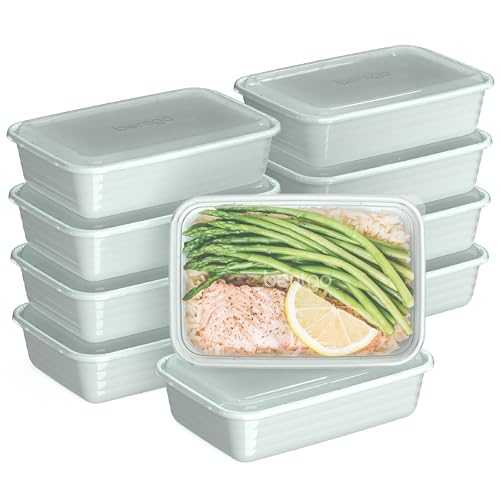
Bentgo Prep – 20-Piece 1-Compartment Reusable Meal Prep Containers with Lids, PFAS & BPA Free Materials, Durable, Microwave, Freezer, & Dishwasher Safe To Go Food Storage (Mint)
#1 Brand Pick for Meal Prep Containers: Bentgo is the top pick for meal prep containers!* This lightweight,…
As an affiliate, we earn on qualifying purchases.
As an affiliate, we earn on qualifying purchases.
Frequently Asked Questions
Can Intermittent Fasting Help With Specific Medical Conditions?
Intermittent fasting can offer medical benefits for certain chronic conditions. It may help improve insulin sensitivity, support weight loss, and reduce inflammation, which are beneficial for managing type 2 diabetes and cardiovascular issues. However, you should consult your healthcare provider before starting, especially if you have underlying health problems. Fasting isn’t suitable for everyone, and personalized advice guarantees safety while you aim for potential improvements in your health.
Is Intermittent Fasting Safe for Teenagers and Pregnant Women?
Ever wonder if fasting is safe during such crucial times? For teenagers and pregnant women, the answer is generally no. Intermittent fasting can disrupt teenage nutrition and compromise pregnancy safety, leading to nutrient deficiencies or hormonal issues. Instead, focus on balanced meals that support healthy growth and development. Always consult healthcare professionals before making significant dietary changes—your health and your baby’s well-being depend on it.
How Does Fasting Affect Athletic Performance and Muscle Gain?
Fasting can impact your athletic performance and muscle gain by potentially reducing muscle preservation and athletic endurance if not managed properly. When you fast, your body may break down muscle for energy, which hampers gains. To avoid this, you should focus on nutrient timing, maintaining adequate protein intake, and training during your eating window. Properly scheduled fasting can help preserve muscle while supporting your athletic goals.
Are There Any Long-Term Risks Associated With Intermittent Fasting?
Long-term risks of intermittent fasting are still being studied, but some concerns include nutrient deficiencies, hormonal imbalances, and potential impacts on mental health. Fasting sustainability varies from person to person; if you find it hard to maintain or notice adverse effects, it might not be appropriate long-term. Always listen to your body and consult a healthcare professional to ensure your fasting routine remains safe and sustainable over time.
What Are Common Mistakes to Avoid When Starting Intermittent Fasting?
When starting intermittent fasting, avoid common mistakes like skipping meal planning, which can lead to overeating later. Remember, staying hydrated is essential—aim for at least 8 glasses of water daily, as dehydration affects energy and hunger cues. An estimated 80% of beginners overlook hydration, risking fatigue. Focus on balanced meals during eating windows and develop solid hydration strategies to support your fasting journey effectively.

Pure Life Purified Water Bottles, 12 Pack – Still Bottled Water Enhanced with Minerals for a Crisp Taste, Plastic Bottles – 16.9 Fl oz
Refreshing Taste: Every bottle of Pure Life Water is enhanced with minerals for a crisp taste that makes…
As an affiliate, we earn on qualifying purchases.
As an affiliate, we earn on qualifying purchases.
Conclusion
Embracing intermittent fasting gently guides you toward healthier habits without feeling overwhelmed. It’s like a quiet nudge in the right direction, helping your body find balance and renewal. Remember, small, consistent steps often lead to meaningful change. Trust your journey, listen to your body, and enjoy the subtle benefits that come with patience and persistence. Sometimes, the most gentle shifts create the most lasting positive ripples in your well-being.

Iron Paws Human-Grade Superfood For Dogs, Premium Greens Powder Supplement For Dental Health, Longevity, Hip & Joint, Gut Health, Allergies, Immune Support, Skin & Coat – 3.5 oz Nutrient Dense Formula
Vet-formulated dog superfood powder with 20 active ingredients. Our nutrient dense formula means less powder provides more results!
As an affiliate, we earn on qualifying purchases.
As an affiliate, we earn on qualifying purchases.

Traditional Medicinals Organic, Dandelion Leaf & Root – Dandelion Root Tea, Supports Normal Detox + Digestion – Kosher, Non-GMO, Caffeine-Free, Compostable – 16 Tea Bags
Herbal kidney tea: Organic Dandelion Root tea supports normal kidney health and digestive health*
As an affiliate, we earn on qualifying purchases.
As an affiliate, we earn on qualifying purchases.