
Understanding your dosha type helps you create personalized routines that support balance and wellness. Vata types should focus on grounding activities and nourishing foods, while Pitta benefits from cooling herbs and avoiding spicy meals. Kapha individuals thrive with invigorating exercises and stimulating herbs. Incorporating self-care practices like oil massages, mindful eating, and herbal remedies tailored to your dosha can enhance overall health. Keep exploring to find more tips for maintaining harmony according to Ayurvedic principles.
Key Takeaways
- Identify your dominant dosha (Vata, Pitta, Kapha) to personalize health routines and prevent imbalances.
- Adjust daily habits like diet, sleep, and self-care practices to align with your dosha’s characteristics.
- Use specific herbal remedies (e.g., ginger for Vata, mint for Pitta, turmeric for Kapha) to support balance.
- Incorporate routines such as oil massages, yoga, and mindful eating tailored to your dosha type.
- Enhance wellness through personalized techniques like music therapy and routine modifications based on body signals.

Have you ever wondered how ancient practices can still promote modern well-being? Ayurveda, an age-old holistic system from India, offers valuable insights into balancing your body, mind, and spirit. One key aspect of Ayurvedic wellness involves understanding your dosha—your unique mind-body constitution—and tailoring your daily routines accordingly. By doing so, you can optimize your health and prevent imbalances before they become issues. Incorporating herbal remedies into your routine is a fundamental part of this, helping to support your dosha type and promote overall harmony.
When you know your dominant dosha—Vata, Pitta, or Kapha—you can adjust your daily routines to suit your specific needs. For example, if you’re mainly Vata, characterized by qualities like dryness and creativity, you might focus on grounding routines, such as regular oil massages and warm, nourishing foods. Herbal remedies can be incorporated into your daily life to support this, like sipping ginger tea to boost circulation or using calming herbs like Ashwagandha to reduce stress. For Pitta types, who tend to be fiery and intense, cooling herbs like coriander or mint can help balance excess heat, and routines might include avoiding overly spicy foods and practicing calming activities like meditation. Kapha individuals, often more grounded and calm, benefit from invigorating routines—like morning exercise—and herbal teas with cinnamon or turmeric to stimulate digestion and energy.
Your daily routines should be designed to align with your dosha to maintain harmony. This includes mindful eating, regular sleep patterns, and specific self-care practices like oil massages or yoga. Herbal remedies play a crucial role here—they’re not just supplements but integral parts of your daily rituals. For instance, drinking warm herbal teas in the morning can kick-start your digestion, while evening routines might include calming herbs to prepare you for restful sleep. Additionally, incorporating music therapy into your routine can help enhance emotional well-being and reduce stress, supporting your overall balance. These routines help prevent doshic imbalances and reinforce your body’s natural resilience. The beauty of Ayurveda is its emphasis on personalized care, so what works for someone else might not suit you. By paying attention to your body’s signals and adjusting your herbal remedies and routines accordingly, you foster a sustainable, balanced lifestyle.
In essence, understanding your dosha and customizing your daily routines with herbal remedies allows you to harness the wisdom of Ayurveda. It’s about creating a harmonious flow within your life—balancing your energies, supporting your body’s natural functions, and cultivating overall well-being. Integrating these ancient practices into your modern life isn’t complicated; it’s about making mindful choices rooted in self-awareness. Over time, these small but consistent adjustments can lead to profound improvements in your health, energy, and mental clarity. Embrace the wisdom of Ayurveda to nurture your body naturally, and watch how your daily routines become a powerful tool for lasting wellness.
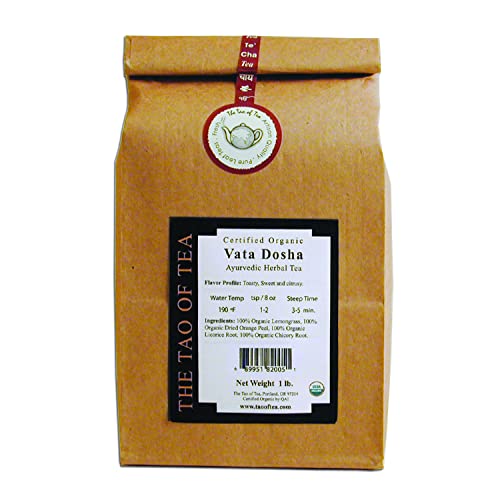
The Tao of Tea Vata Dosha, Certified Organic Ayurvedic Tea, 1-Pound
Toasty, sweet and citrusy
As an affiliate, we earn on qualifying purchases.
As an affiliate, we earn on qualifying purchases.
Frequently Asked Questions
How Do I Identify My Primary Dosha at Home?
To identify your primary dosha at home, start with a simple home assessment by observing your body’s features and habits. Pay attention to your skin, hair, digestion, and energy levels. Take a dosha quiz or use online tools for dosha diagnosis. Notice whether you have a tendency toward the qualities of Vata, Pitta, or Kapha. This self-awareness helps you better understand your constitution and tailor your lifestyle accordingly.
Can My Dosha Change Over Time or With Age?
Yes, your dosha can change over time due to dosha fluctuations and age-related changes. As you age, your body’s balance shifts, which might influence your dominant dosha. Stress, diet, environment, and lifestyle also play a role in these changes. Pay attention to how your body responds over the years, and adjust your habits accordingly to maintain harmony. Regular self-awareness can help you stay in tune with your evolving dosha.
Are There Specific Foods to Balance Each Dosha?
Yes, you can balance each dosha with specific foods. For Vata, focus on warm, moist foods, herbal remedies, and spice combinations like cinnamon and ginger. Pitta benefits from cooling foods, fresh fruits, and herbal teas such as mint. Kapha needs light, dry foods, spicy herbs, and invigorating spice blends like black pepper and turmeric. Adjust your diet with these foods and spices to maintain harmony and support your dosha’s balance.
How Does Meditation Influence My Dosha Balance?
Think of meditation as a gentle river calming turbulent waters. By practicing mindfulness meditation, you help balance your doshas, promoting emotional stability. This practice reduces stress, clears mental clutter, and harmonizes your body’s energies. As a result, your dosha balance improves, fostering overall wellness. Regular meditation becomes your anchor, grounding you amidst life’s chaos and nurturing emotional balance, ensuring your doshas stay in harmony.
Is Ayurveda Suitable for Children and Pregnant Women?
Yes, Ayurveda can be suitable for children and pregnant women when you focus on child-friendly practices and pregnant-safe remedies. You should consult a qualified Ayurvedic practitioner to tailor treatments that are gentle and safe, avoiding any harsh herbs or procedures. Incorporating calming routines, balanced diets, and natural remedies helps support their health. Always prioritize safety and professional guidance to ensure the practices meet their specific needs.

Ayurvedic Massage Oil enriched with Clove, Almond, Lemongrass & Lavender Oils & 6 Ancient Herbs. Relieves Muscle Tensions, Calms Nerves, Soothes. 100% Natural 300ml
RELAXATION: The relaxing qualities of lavender and lemongrass in our Ayurvedic massage oil assist to lower tension and…
As an affiliate, we earn on qualifying purchases.
As an affiliate, we earn on qualifying purchases.
Conclusion
Discover the delightful dance of dosha dynamics and design a daily routine that nurtures your nature. By balancing your body’s blueprint, you boost vitality, banish burdens, and bring bliss. Embrace the enthusiasm of Ayurveda’s ancient advice, and let your lifestyle lighten, lively, and align. Remember, when you nurture your nature naturally, wellness wins! So, step into self-care, stay spirited, and let your unique dosha guide your journey to joyful health.
Vata Pitta Kapha herbal remedy kit
As an affiliate, we earn on qualifying purchases.
As an affiliate, we earn on qualifying purchases.

THE AYURVEDIC BEAUTY ALCHEMY: TIMELESS RECIPES FOR AGELESS BEAUTY
As an affiliate, we earn on qualifying purchases.
As an affiliate, we earn on qualifying purchases.