
Breathwork techniques include traditional pranayama and modern expressive methods, both designed to enhance your mental, emotional, and physical health. Pranayama focuses on controlled, deliberate breathing to balance energy and calm your mind. Modern approaches involve dynamic breathing patterns and emotional release techniques to help process trauma and stress. By incorporating these practices into your routine, you can activate your body’s healing power and gain greater awareness—if you continue exploring, you’ll discover how to use these tools effectively for positive change.

Get garden gear delivered free with Prime
- Fast, free delivery on millions of items
- Prime Video, Amazon Music and more included
- Member-only deals all year
Key Takeaways
- Pranayama involves ancient, controlled breathing techniques to enhance energy, mental clarity, and physical health.
- Modern breathwork adapts these principles into dynamic, expressive methods for emotional healing and trauma release.
- Both approaches aim to improve stress management, focus, and overall well-being through conscious breath control.
- Pranayama is simple and accessible, often integrated into yoga, while modern techniques may include guided sessions for deeper emotional work.
- Combining both methods can provide comprehensive benefits for mental, emotional, and physical health.
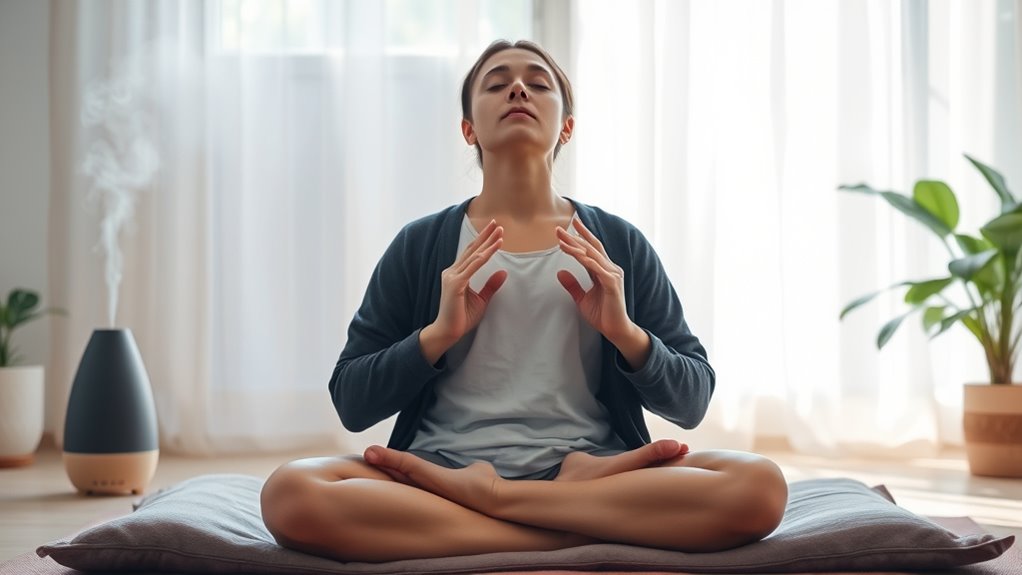
Breathwork techniques are powerful tools you can use to improve your mental, emotional, and physical well-being. One of the most ancient forms of these practices is pranayama, a set of breathing exercises rooted in Indian traditions that date back thousands of years. These ancient breathing exercises focus on controlling the breath to influence your energy and mind, helping you cultivate calmness, clarity, and energy. In pranayama, you might find yourself practicing slow, deliberate inhales and exhales, breath retention, or rhythmic breathing patterns designed to balance your nervous system and enhance concentration. These techniques are often incorporated into yoga routines, but they stand alone as effective methods for managing stress, increasing lung capacity, and fostering emotional resilience. The beauty of pranayama lies in its simplicity and accessibility; all you need is a quiet space and a willingness to focus inward.
On the other hand, modern breath therapy takes these ancient principles and adapts them into contemporary practices, often combining them with psychology, neuroscience, and relaxation techniques. Unlike traditional pranayama, modern breath therapy may involve more dynamic and expressive breathing methods, such as conscious connected breathing or rebirthing techniques, which aim to release emotional blockages and trauma stored in the body. These approaches are designed not just for physical health but also for emotional healing and mental clarity. Modern breath therapy often incorporates guided sessions, where practitioners help you explore your breath as a pathway to uncover subconscious patterns or facilitate catharsis. It’s a versatile approach that can be tailored to individual needs, whether you’re seeking stress relief, emotional release, or a deeper connection with yourself.
Both ancient breathing exercises and modern breath therapy share a common goal: harnessing your breath to improve your overall well-being. While pranayama emphasizes mastery over breath to influence your energy and mind, modern breath therapy explores breath as an entry point into emotional and psychological health. You might start with simple pranayama practices to build awareness and control before progressing to more expressive, guided techniques that help you process complex feelings. No matter which approach you choose, integrating breathwork into your daily routine can lead to significant shifts in how you manage stress, enhance focus, and connect with your inner self. Both ancient and modern methods remind you that your breath is a powerful, accessible tool for transformation—one that’s always available, no matter where you are.
Frequently Asked Questions
Can Breathwork Help With Chronic Anxiety or Depression?
Yes, breathwork can help with chronic anxiety or depression by improving emotional regulation and fostering mindfulness integration. When you focus on your breath, you activate the parasympathetic nervous system, reducing stress levels. Consistent practice helps you become more aware of your emotions and manage them better, leading to a calmer mind. Incorporating breathwork into your routine can enhance overall mental health and provide a valuable tool for emotional resilience.
Are There Any Risks Associated With Advanced Pranayama Practices?
Advanced pranayama practices can carry risks like hyperventilation, which may cause dizziness or fainting. You should take precautions during these practices, such as avoiding breath-holding for too long or practicing in a safe environment. It is crucial to learn under expert guidance, especially if you have health issues. Always listen to your body and stop if you experience discomfort to prevent any adverse effects.
How Does Breathwork Influence Brain Chemistry and Neuroplasticity?
Did you know breathwork can increase serotonin levels by up to 30%? It influences brain chemistry through neurotransmitter modulation and promotes neural pathway enhancement. When you breathe deeply and intentionally, you stimulate the vagus nerve, which fosters calm and focus. This process helps rewire neural circuits, boosting neuroplasticity. As a result, your brain adapts more easily, improving mood, memory, and resilience over time.
Can Breathwork Techniques Be Tailored for Specific Health Conditions?
Yes, you can tailor breathwork techniques for specific health conditions. By creating personalized protocols that incorporate condition-specific techniques, you address your unique needs. For example, you might use calming breath patterns for anxiety or energizing ones for fatigue. Working with a trained instructor helps you develop a targeted approach, ensuring you maximize benefits safely and effectively for your health condition.
What Is the History and Cultural Significance of Traditional Pranayama?
You step into a centuries-old meditative tradition where pranayama, the art of controlled breathing, holds deep spiritual significance. Imagine ancient sages sitting quietly, their breath aligning with the universe’s rhythm, reflecting a sacred connection to life and consciousness. Originating in India over 2,000 years ago, it’s woven into spiritual practices, symbolizing the essential life force (prana) that sustains and elevates your mind, body, and soul through mindful breath.
Conclusion
Whether you choose ancient pranayama or modern breathwork methods, remember that each technique offers a unique path to calm and clarity. While traditional practices connect you to centuries of wisdom, contemporary approaches harness science and innovation. Both serve as tools to quiet your mind amidst chaos. So, embrace the contrast—balance the old with the new—and find the breathing style that resonates most, guiding you toward inner peace in a fast-paced world.
Halloween Picks
halloween
As an affiliate, we earn on qualifying purchases.