TL;DR

Get garden gear delivered free — and shop member deals
- Fast, free delivery on millions of items
- Access to Prime Big Deal Days deals on October 6–7
- Prime Video, Amazon Music and more included
A Gardening Know How guide identifies five September tasks for hosta owners: divide overgrown clumps, remove damaged foliage, keep watering, manage slugs and snails, and let plants go dormant naturally. The guidance aims to help hostas store energy and survive winter.
A seasonal care guide from Gardening Know How lays out five tasks hosta growers should complete before the end of September: dividing overgrown clumps, cleaning up damaged foliage, continuing to water, managing slugs and snails, and letting plants enter dormancy naturally. The guidance, published as summer foliage fades, is intended to help hostas store energy and return with healthy growth next spring.
The first recommendation is to divide and transplant large clumps. According to the report, September in most regions provides enough warm soil and gentler temperatures for transplants to establish before winter, and more frequent rains reduce transplant stress. Gardeners are advised to dig up large hostas, cut through the roots with a sharp, clean garden knife, and make sure each division has healthy roots and a portion of the crown with stems. Divisions should be replanted at the same depth as the parent plant and watered regularly until dormancy.
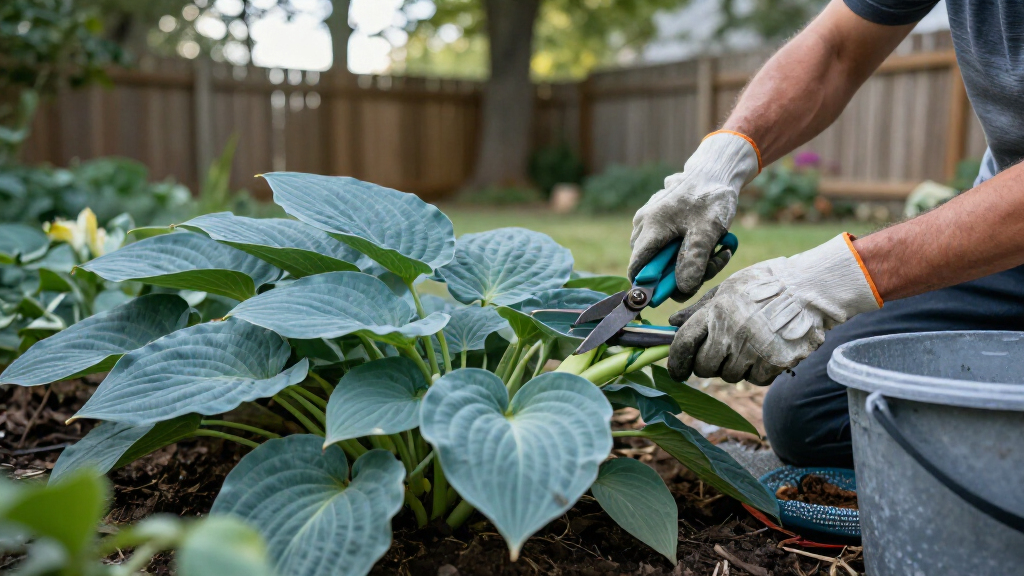
Second, the guide advises tidying up foliage without cutting plants back entirely. The report states that healthy green leaves are still photosynthesizing and storing energy for next year, but yellowed, pest-damaged, or diseased foliage should be removed now because pests and pathogens can overwinter in it. Damaged foliage can be composted, while diseased leaves should go to yard waste disposal. Leaves should not be left around the base of plants, where the report says they can harbor pests, fungal spores, and nematodes.
Third, hostas should continue to receive water. The guide describes hostas as thirsty plants with large foliage that prefer consistently moist soil, and says adequate moisture heading into winter helps them cope with dormancy stress. Gardeners should water deeply when the top inch or two of soil feels dry, at the soil line rather than on the leaves. Fourth, growers are told to watch for slugs and snails, which the report says become more active in early fall as weather cools. Recommended controls include clearing debris, handpicking pests, and using slug and snail bait around vulnerable plants, applied according to label directions with gloves worn during handling.
Fifth, the guide instructs growers to let hostas go dormant naturally, leaving foliage in place until it collapses after the first hard frost. Dead foliage should be trimmed and disposed of only once it is mostly yellow, brown, and wilted, and it should not be left on the ground over winter.
Why September Care Determines Spring Growth
The timing matters because hostas are perennials whose performance next year depends on energy stored this fall. According to the Gardening Know How report, green foliage continues to gather energy through photosynthesis until dormancy, so premature cutting-back or unmanaged pest damage reduces the reserves the roots rely on to survive winter. Growers who complete the five tasks now are, in the report’s framing, supporting the dormancy process rather than fighting it.
The guidance also addresses a common point of confusion for newer growers. The report notes that yellowing and deterioration of leaves in fall is normal seasonal behavior, not necessarily a sign of disease, and that the goal is plant health rather than a tidy appearance until winter.
Hostas’ Seasonal Cycle and Dormancy
: “Hostas are shade-tolerant foliage perennials grown widely in temperate gardens, and the report attributes their popularity partly to how easy they are to grow. While hardy in colder climates, they die back each autumn: foliage deteriorates through fall and collapses fully after the first hard frost. The plant then remains dormant through winter before regrowing in spring.
The Gardening Know How guide frames September as a transition point in that cycle. Because plants are actively preparing for dormancy, fall chores center on removing risks that carry into winter — diseased foliage, debris, and overwintering pests — while preserving the healthy leaf area the plant still needs. The report adds that established hostas can become large and overgrown over time, which is why September is also recommended as a window for division.
“They’re preparing for dormancy now, so chores are all about letting that process happen while still supporting plants with what they need.”
— Gardening Know How
Timing Varies by Region and Climate
The report’s timing advice is general: it states that in most places September offers conditions suitable for dividing and transplanting, but exact windows will differ by climate zone. It does not specify cutoff dates for dividing in colder regions, where early freezes could shorten the establishment period. The guide also does not address regional variations in slug activity or watering needs beyond general instructions to monitor rainfall and soil moisture. Growers in unusually dry or wet falls will need to adjust the watering guidance to local conditions.
From First Frost to Spring Regrowth
The next milestone in the hosta calendar is the first hard frost, after which foliage collapses and can be trimmed back and disposed of — composted if it appears healthy, discarded if diseased. Over winter, the guidance calls for removing dead foliage from the garden rather than leaving it on the ground. Come spring, the report says hostas that received this fall care should reward growers with healthy new growth, at which point the seasonal cycle of watering, pest monitoring, and — eventually — division begins again.
Key Questions
Should I cut my hostas all the way back in early September?
No. According to Gardening Know How, healthy green leaves are still photosynthesizing and storing energy for next year. Only yellowed, damaged, or diseased foliage should be removed early; full cutback waits until foliage collapses after the first hard frost.
When is the best time to divide hostas?
Hostas do not need dividing every year, but the report says September works well in most regions because warm soil and gentler temperatures, plus more frequent rain, help transplants establish before winter. Each division should have healthy roots and part of the crown with stems.
Do hostas still need watering in fall?
Yes. The guide says cooler temperatures do not eliminate watering needs, and adequate moisture going into winter helps hostas cope with dormancy stress. Water deeply when the top inch or two of soil feels dry, at the soil line rather than on the leaves.
Why are there holes in my hosta leaves in fall?
The report attributes leaf holes and slime trails to slugs and snails, which it says become more active in early fall. Recommended controls include clearing debris, handpicking, and bait applied around vulnerable plants according to label directions.
Is yellowing hosta foliage in fall a problem?
No. The guide describes yellowing and deterioration as a normal part of dormancy preparation. Foliage should be left in place until it is mostly yellow, brown, and wilted, then trimmed and disposed of rather than left on the ground over winter.
Source: rss
Fall yard work Picks
leaf blowers
As an affiliate, we earn on qualifying purchases.