
TL;DR

Get garden gear delivered free with Prime
- Fast, free delivery on millions of items
- Prime Video, Amazon Music and more included
- Member-only deals all year
Thames Water has confirmed a hosepipe ban will be implemented in 2026, citing prolonged drought conditions and water shortages. The move affects millions of customers and aims to reduce water consumption.
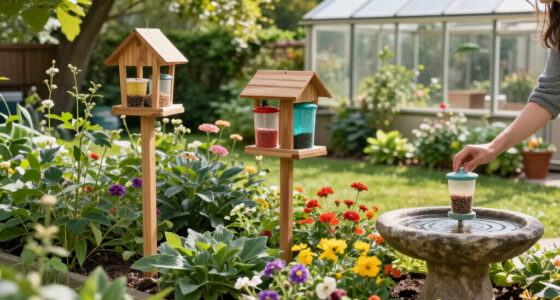
Thames Water has confirmed that a hosepipe ban will be introduced across its service area starting in summer 2026, due to persistent drought and water shortages. The ban, affecting millions of households and businesses, aims to curb water use during a period of prolonged dry weather, making it one of the most significant restrictions in recent years. A Heatwave Can Spoil Bird Bath Water Fast – This Simple Copper Trick Keeps It Fresher For Longer
The company announced the ban on March 2026, citing ongoing drought conditions that have reduced reservoir levels and increased pressure on water supplies. Thames Water stated that the restrictions are necessary to protect water resources and ensure supply stability for the future.
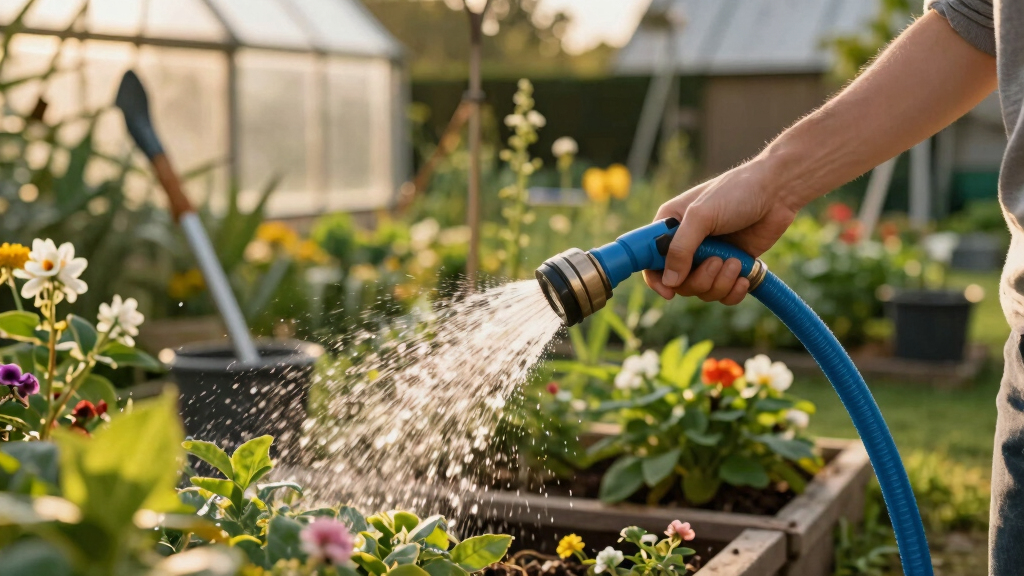
The ban will prohibit the use of hosepipes and sprinklers for outdoor watering, washing cars, filling pools, and other non-essential activities. Thames Water has also indicated that it may implement further restrictions if drought conditions worsen.
Officials emphasized that the decision was made in consultation with environmental agencies and based on data showing decreased rainfall and reservoir levels. For tips on plant care during dry periods, see how to water houseplants. The company has also urged customers to reduce water use voluntarily ahead of the ban’s implementation.
Implications for Water Management and Public Behavior
The announcement highlights the increasing pressure on water resources amid climate change and persistent droughts. It underscores the importance of water conservation measures and may set a precedent for other regions facing similar shortages. For consumers, the ban signals a need to adapt outdoor water habits and support sustainable water use practices.
As an affiliate, we earn on qualifying purchases.
Recent Drought Trends and Water Supply Challenges in Greater London
Over the past year, the UK has experienced below-average rainfall, leading to critically low reservoir levels in parts of southern England, including areas served by Thames Water. The company has previously implemented temporary restrictions, but the upcoming hosepipe ban marks a significant escalation in water conservation efforts.
Thames Water, the UK’s largest water and wastewater services company, has faced criticism over its handling of water shortages and infrastructure issues. The drought has compounded existing challenges, including aging infrastructure and increasing demand from a growing population.
“We are taking this step to safeguard water supplies for our customers and the environment. We ask everyone to do their part in conserving water.”
— Sarah Bentley, Thames Water CEO
As an affiliate, we earn on qualifying purchases.
Unclear Details on Exact Implementation and Duration
It is not yet confirmed how long the hosepipe ban will remain in effect beyond the initial summer 2026 period. Details about enforcement, penalties, and potential exemptions are still being finalized. Additionally, the impact of weather conditions on the ban’s extension remains uncertain.
As an affiliate, we earn on qualifying purchases.
Next Steps for Implementation and Public Guidance
Thames Water is expected to release detailed guidelines on how the ban will be enforced and what activities are permitted. The company will also likely launch public awareness campaigns to encourage voluntary water saving. Monitoring weather patterns and reservoir levels will determine if further restrictions are necessary.
As an affiliate, we earn on qualifying purchases.
Key Questions
When will the hosepipe ban start?
The ban is scheduled to begin in summer 2026.
What activities will be restricted under the ban?
The use of hosepipes and sprinklers for outdoor watering, washing cars, filling pools, and similar activities will be prohibited.
How long will the ban last?
The initial period is expected to be seasonal, but the duration may be extended depending on drought conditions and reservoir levels.
Will there be penalties for violating the ban?
Yes, enforcement measures and penalties are likely to be implemented, though specific details are still being finalized.
Can I still water my garden if I have a water meter?
Details on exemptions for water meters and essential use are yet to be announced by Thames Water.
Source: google-trends
Halloween Picks
halloween
As an affiliate, we earn on qualifying purchases.