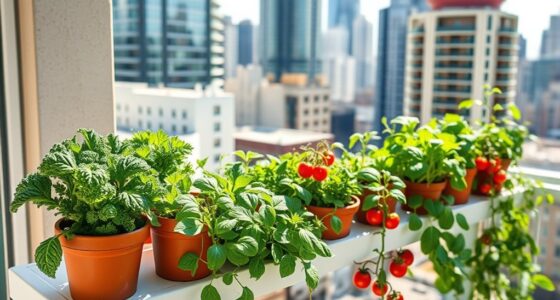
Transforming your roof into a lush green space offers numerous benefits, from supporting urban wildlife and creating vibrant habitats to reducing energy costs through added insulation. To succeed, consider the rooftop’s structural capacity, drainage, sunlight, and wind exposure. Choose sturdy containers and native plants to attract local species. Incorporating eco-friendly features like rainwater harvesting and solar lighting will enhance your garden’s sustainability. Keep exploring to discover how to turn your rooftop into a thriving, eco-friendly retreat.
Key Takeaways
- Assess your rooftop’s structural capacity and ensure proper reinforcement for supporting soil, plants, and furniture.
- Plan for adequate drainage and wind protection to safeguard your garden and building.
- Choose native, sun, or shade-tolerant plants based on sunlight exposure and wind conditions.
- Incorporate eco-friendly features like rainwater harvesting and solar lighting to enhance sustainability.
- Design pathways, seating, and safety measures to create a functional and inviting green rooftop space.

Have you ever contemplated transforming an empty rooftop into a lush oasis? Turning your roof into a garden isn’t just about adding greenery; it’s an opportunity to create a vibrant space that benefits both you and the environment. One of the most exciting aspects of rooftop gardens is how they can support urban wildlife. Even in the heart of a city, your rooftop can become a habitat for birds, butterflies, and pollinators. By planting native flowers and creating small habitats, you invite nature to thrive right above your head. This not only adds a lively, dynamic element to your rooftop but also helps sustain local ecosystems that often struggle amidst dense urban development.
Transform your rooftop into a vibrant habitat supporting urban wildlife and local ecosystems.
Implementing a rooftop garden involves understanding rooftop architecture and how it influences your design choices. You need to think about the structural capacity of your building to support soil, plants, and furniture. Reinforcing the roof might be necessary, especially if you plan to include larger trees or water features. Proper drainage is vital to prevent water buildup that could damage the building or compromise safety. Additionally, the orientation of your rooftop affects sunlight exposure, which in turn influences what plants will thrive. Some rooftops receive intense sun, making drought-tolerant and sun-loving plants the best choice, while others may offer more shade, requiring shade-tolerant varieties. The design should also factor in wind patterns, which tend to be stronger at higher elevations, necessitating windbreaks or sturdy plant containers.
Rooftop architecture plays a significant role in your garden’s success. A well-designed rooftop can provide insulation, reducing energy costs in both summer and winter. It can also serve as a visual extension of your living space, with pathways, seating areas, or even small structures that blend seamlessly with the greenery. Think about integrating sustainable features like rainwater harvesting systems or solar-powered lighting to make your rooftop garden eco-friendly and energy-efficient. Understanding home security systems and their costs can help you plan a safe and secure outdoor retreat, especially if you want to include outdoor lighting or cameras to monitor your space. The aesthetic appeal isn’t just about beauty; it’s about creating a functional, safe, and sustainable environment that enhances your quality of life.
Ultimately, transforming your rooftop into a garden is about more than just planting flowers. It’s about reimagining your space to foster urban wildlife, utilize clever rooftop architecture, and make your city dwelling more enjoyable and sustainable. With thoughtful planning and a bit of effort, you can turn an overlooked rooftop into a thriving green retreat that benefits your home and the environment alike.

Fabric Raised Garden Bed, 6 x3 x1 FT Large Garden Grow Bags Rectangle Breathable Planting Containers with 4 Grids Reusable Heavy Pot Garden Tools for Vegetables Flowers Plants(128 Gallon Vol.)
What you Will Get-1 pc Approx. 6ft x3ft x1ft 128 Gallon Vol. large fabric plant bags, 1 pc…
As an affiliate, we earn on qualifying purchases.
As an affiliate, we earn on qualifying purchases.
Frequently Asked Questions
How Much Weight Can Most Roofs Support for a Garden?
Most roofs can support between 20 to 50 pounds per square foot, but you should check your roof load capacity to be certain. If you’re planning a garden with heavy soil, plan for structural reinforcement to handle the extra weight. Consulting a structural engineer helps determine your roof’s limits and ensures safety. Always prioritize professional advice before creating your rooftop garden to avoid potential damage or hazards.
What Are the Best Plants for Rooftop Environments?
Imagine a vibrant oasis atop your roof, where hardy succulents and drought-tolerant grasses thrive in the sun. You should choose plant selection like sedums, lavender, and ornamental grasses for easy maintenance and resilience. Keep in mind maintenance tips such as watering deeply but infrequently, ensuring proper drainage, and providing occasional fertilization. These plants will flourish with minimal effort, creating a lush, sustainable rooftop garden that elevates your space beautifully.
How Do I Prevent Leaks and Water Damage?
To prevent leaks and water damage, you should install high-quality waterproof membranes beneath your rooftop garden. Guarantee proper drainage solutions are in place, like gravel layers or drainage mats, to prevent water accumulation. Regularly inspect and maintain these systems, and seal any gaps or cracks promptly. Taking these steps keeps your roof dry, protects your structure, and ensures your rooftop garden thrives without risking water-related issues.
What Permits or Regulations Are Needed for Rooftop Gardens?
You need to check your local building codes and zoning laws before installing a rooftop garden. These regulations often specify structural requirements, weight limits, and safety measures you must follow. You might also need permits from city authorities to make sure your project complies with legal standards. Contact your local planning department early to get the necessary approvals, avoid fines, and ensure your rooftop garden is safe and legal.
How Can I Ensure Safety on High Rooftops?
To guarantee safety on high rooftops, you should implement weatherproofing techniques like sturdy railings and non-slip surfaces. Always follow rooftop safety measures such as installing guardrails, adding signage, and securing tools and materials. Regularly inspect your rooftop for hazards and ensure proper drainage. Wearing appropriate footwear and using harnesses when necessary also protect you from falls. Prioritize safety to enjoy your rooftop garden without worries.

GIGALUMI Solar Outdoor Lights,12 Pack LED Solar Lights Outdoor Waterproof, Solar Walkway Lights Maintain 10 Hours of Lighting for Your Garden, Landscape, Path, Yard, Patio, Driveway
SOLAR OUTDOOR LIGHTS:Gigalumi solar lights are powered by the sun.They automatically charge during the day, over a period…
As an affiliate, we earn on qualifying purchases.
As an affiliate, we earn on qualifying purchases.
Conclusion
Transforming your roof into a lush garden not only brings nature closer but also offers a peaceful retreat amidst urban chaos. While the city bustles below, you’ll enjoy a quiet green haven above, proving that even small spaces can create big change. So, take the leap—turn your rooftop into a vibrant sanctuary. It’s a simple act that balances concrete with life, showing how a little green can make a big difference.
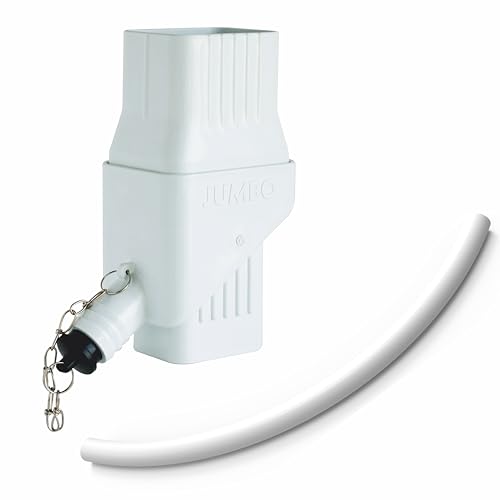
JUMBO Rooftop Rainwater Harvesting System from Downspouts Diverter Size 2” x 3”
Fits standard 2” x 3” residential rooftop rain gutter downspouts.
As an affiliate, we earn on qualifying purchases.
As an affiliate, we earn on qualifying purchases.

The Himalayan Garden: Growing Plants from the Roof of the World
Used Book in Good Condition
As an affiliate, we earn on qualifying purchases.
As an affiliate, we earn on qualifying purchases.