
TL;DR

Get garden gear delivered free — and shop member deals
- Fast, free delivery on millions of items
- Access to Prime Big Deal Days deals on October 6–7
- Prime Video, Amazon Music and more included
Six key flowers can support pollinators throughout summer and into early fall. Experts emphasize planting these to help sustain bee and butterfly populations as natural sources decline.
Experts recommend planting six vital flowers to support pollinators from summer through to the first frosts. These flowers provide essential nectar and pollen, crucial for the survival of bees, butterflies, and other pollinators during periods when natural sources diminish. The guidance aims to help gardeners and farmers bolster pollinator populations amid ongoing environmental challenges.
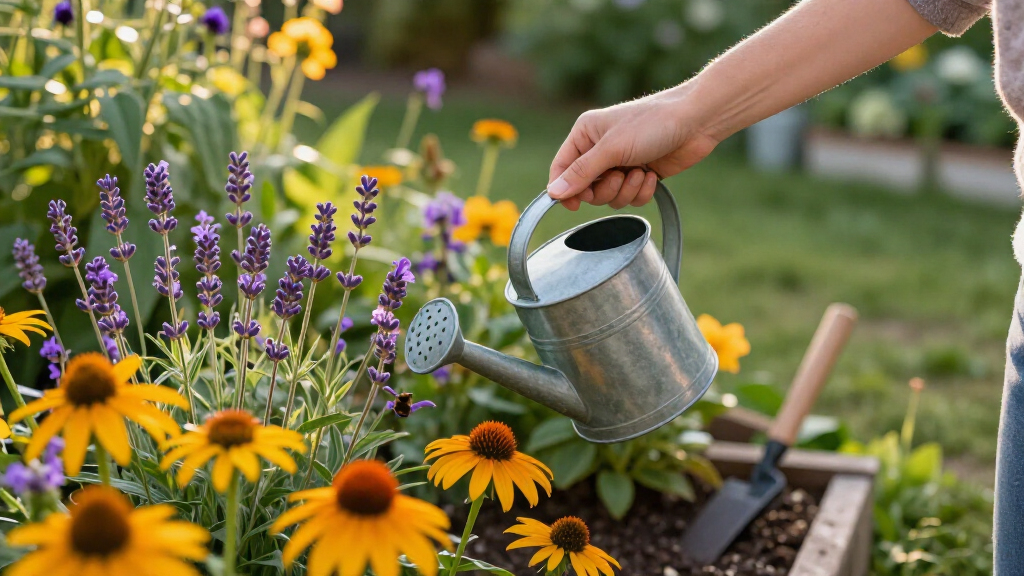
According to recent guidance from pollinator advocates, planting six specific flowers can serve as a vital lifeline for pollinators during late summer and early fall. These flowers include goldenrod, asters, sedum, bronze fennel, cosmos, and sunflowers. They are noted for their high nectar content, which is especially important as many wildflowers decline after peak blooming periods. Experts highlight that these plants can help sustain pollinator health and activity as natural nectar sources become scarce.
Research indicates that pollinators such as bees and butterflies are facing declines due to habitat loss, pesticide use, and climate change. Planting these flowers can help mitigate some of these pressures by providing reliable food sources. Gardeners and farmers are encouraged to incorporate these plants into their landscapes, especially in areas where natural wildflower growth has been reduced.
Environmental organizations emphasize that the timing of planting these flowers is critical, ideally before pollinators’ peak activity periods, to maximize benefits. The initiative is supported by conservation groups and entomologists who stress the importance of proactive measures to preserve pollinator populations essential for crop production and ecosystem health.
Why Supporting Pollinators with These Flowers Is Critical
Supporting pollinators with these six flowers is vital because many species are experiencing declines, threatening biodiversity and agricultural productivity. Pollinators are responsible for pollinating approximately 75% of flowering plants and about 35% of global food crops, according to the Food and Agriculture Organization (FAO). By planting these flowers, gardeners and farmers can help sustain pollinator populations during the late season, ensuring continued pollination services.
This effort is especially important as environmental stressors like habitat destruction, pesticide exposure, and climate change reduce natural nectar sources. Without intervention, pollinator declines could lead to reduced crop yields and degraded ecosystems. The initiative underscores the role of individual actions in supporting broader ecological health.
As an affiliate, we earn on qualifying purchases.
Recent Declines and Conservation Efforts for Pollinators
Over the past decade, pollinator populations, particularly bees and butterflies, have faced significant declines. Studies attribute these losses to habitat destruction, pesticide use, monoculture farming, and climate change. Wildflower habitats have diminished, reducing natural nectar sources during late summer and early fall. Conservation groups have increasingly promoted planting native and beneficial flowers to support pollinators, especially in urban and suburban areas.
Recent campaigns have focused on raising awareness about the importance of planting specific flowers that bloom during critical periods. Experts emphasize that proactive planting can help buffer pollinators against environmental stresses, but the effectiveness depends on timing, plant selection, and habitat connectivity. The current guidance on six vital flowers is part of these broader conservation efforts.
“Planting these six flowers can make a significant difference for pollinator survival during late summer and early fall, especially as natural sources dwindle.”
— Dr. Emily Carter, entomologist
native wildflower seed mix for bees and butterflies
As an affiliate, we earn on qualifying purchases.
As an affiliate, we earn on qualifying purchases.
Uncertainties About Long-Term Effectiveness and Plant Choices
While experts agree that planting these six flowers can support pollinators during late summer and early fall, there is limited long-term data on how much this practice can offset broader declines in pollinator populations. The effectiveness may vary depending on regional climate, existing habitat, and pesticide use. Additionally, some gardeners question whether these plants are suitable for all regions or if other native species might be more beneficial. Further research is needed to quantify the impact of these specific plantings on pollinator survival rates over multiple seasons.
nectar-rich flowers for pollinators
As an affiliate, we earn on qualifying purchases.
As an affiliate, we earn on qualifying purchases.
Next Steps for Supporting Pollinator Habitats
Researchers and conservation groups plan to monitor the impact of planting these six flowers in various regions to assess their effectiveness. Public awareness campaigns will continue to promote native plant gardening, with a focus on timing and plant diversity. Policy initiatives may also encourage broader habitat restoration efforts that complement individual planting. Meanwhile, gardeners are encouraged to incorporate these plants into their landscapes this season to help support pollinators during their critical late-season period.
perennial flowers for late summer and fall
As an affiliate, we earn on qualifying purchases.
As an affiliate, we earn on qualifying purchases.
Key Questions
Which six flowers are recommended for supporting pollinators?
The recommended flowers are goldenrod, asters, sedum, bronze fennel, cosmos, and sunflowers.
Why are these flowers particularly important?
They provide high nectar and pollen during late summer and early fall, when natural sources decline, helping sustain pollinator populations.
Can planting these flowers help reverse pollinator declines?
While planting these flowers supports pollinators during critical periods, they are part of broader conservation efforts needed to address overall declines caused by habitat loss and pesticides.
When should I plant these flowers for maximum benefit?
Plant these flowers early in the season, ideally before pollinators’ peak activity in late summer, to ensure they have access to nectar when needed most.
Are these flowers suitable for all regions?
Most are adaptable to various climates, but gardeners should select native or regionally appropriate species for best results.
Source: rss
Fall yard work Picks
leaf blowers
As an affiliate, we earn on qualifying purchases.