TL;DR

Get garden gear delivered free with Prime
- Fast, free delivery on millions of items
- Prime Video, Amazon Music and more included
- Member-only deals all year
A Gardener’s Path report outlines fall care for perennial coreopsis, or tickseed: leave most stems and foliage standing, add organic mulch and keep watering until the first hard freeze. The advice is general; winter hardiness varies by variety and growing zone.
Gardener’s Path has published guidance for gardeners preparing perennial coreopsis, also known as tickseed, for winter: leave most dead stems and foliage standing, mulch around the plant and water it through fall until the first hard freeze. The advice matters because the stems can help insulate the plant’s crown, while hardiness varies by variety and growing zone.
The report advises against cutting perennial coreopsis back to the ground in fall. Stems and foliage left in place can provide insulation for the crown during cold weather. Gardeners who prefer a tidier winter garden can cut plants to four to six inches above the ground, but the source cautions against cutting lower. Its recommended fuller cleanup is in spring, after the soil thaws and frost danger has passed, when dead stems can be cut to about two to three inches above the ground.
Coreopsis is described as a plant for well-draining, average soil that does not need fall compost or fertilizer. The report says nutrient-rich soil can encourage leggy growth and advises that any fertilizer be applied in spring rather than late in the season, when fresh growth could be damaged by frost.
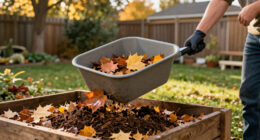
For winter protection, the article recommends a three- to four-inch layer of organic mulch, such as chopped leaves, bark chips or straw, around the plant. In areas with long winters and prolonged frozen ground, it suggests adding another two to three inches. If stems have been cut back, leaves or straw can also cover the crown; that extra cover should be removed in spring after frost danger passes. Water plants deeply about once a week until the first hard freeze if rainfall has not kept the soil moist. The source suggests checking whether soil is dry an inch below the surface.
Protecting Coreopsis Crowns From Cold
The guidance focuses on keeping perennial plants alive through winter rather than encouraging late-season growth. Leaving stems in place and insulating the roots with mulch are practical steps that may help protect the crown from cold. The recommendations also warn against assuming that fall cleanup or fertilizing practices used for other perennials suit coreopsis.
Variety and climate affect the advice’s relevance. The report says some wild species and cultivars, including ‘Moonbeam,’ ‘Sun Up’ and ‘Zagreg,’ are suitable for USDA Hardiness Zones 4 to 9, while newer, more colorful cultivars may be hardy only in Zones 6 to 9. Gardeners should check the hardiness of their specific plant rather than rely on a single rule for all coreopsis.
Products Worth Considering

Dyson V8 Cordless Vacuum

Roborock F25 BX Cordless Wet Dry Vacuum Mop

Philips Hue Secure Wired Video Doorbell, 2K, Black
As an affiliate, we earn on qualifying purchases.
Varieties and Winter Hardiness
Coreopsis belongs to the Asteraceae family and is commonly called tickseed. The source describes it as native or wild across parts of the eastern United States and notes that Florida designates Coreopsis species as its state wildflower. The article concerns overwintering perennial coreopsis; it does not present the advice as applying equally to every annual variety.
Some coreopsis varieties reseed readily. The report says gardeners who leave flowers to go to seed in fall may see more blooms the following summer. That is separate from winter protection: whether a plant survives as a perennial depends in part on the cultivar and local conditions. The source also says cultivars outside a gardener’s hardiness range can be grown as annuals.
Cultivar and Climate Differences
The source does not specify how each individual cultivar will perform in a particular garden, or how factors such as local snow cover, soil drainage and winter duration might change the suggested mulch depth. Its hardiness ranges are broad guidance, not a guarantee that a plant will survive every winter within a listed zone. Gardeners should confirm the hardiness range for their cultivar and adapt care to local conditions. The article also gives no publication date, so the advice is seasonal rather than tied to a newly reported event.
Spring Cleanup After Frost
In fall, gardeners following the report can leave stems standing, add mulch and water when the soil is dry until the first hard freeze. In spring, they can remove any extra cover placed over the crown once frost danger has passed, then cut back dead stems to two to three inches above the ground after the soil thaws. New growth and the plant’s condition will indicate how it came through winter; the source does not promise survival in every climate or for every variety.
Key Questions
Should I cut coreopsis back in fall?
The report recommends leaving stems and foliage intact because they can insulate the crown. If a tidier winter appearance is needed, cut to four to six inches, not to the ground.
How much mulch should I put around coreopsis?
Gardener’s Path recommends three to four inches of organic mulch around the plant. It suggests an additional two to three inches in regions with long winters and prolonged frozen ground.
Should I fertilize or add compost in fall?
No. The source says coreopsis does well in average, well-draining soil and that rich soil can encourage leggy growth. If fertilizer is used, it recommends applying it in spring.
When should I water coreopsis in autumn?
Keep watering until the first hard freeze if autumn rain is insufficient. The report suggests checking the soil about an inch down and giving the plant a deep watering if it is dry.
When should I remove winter cover and cut back the stems?
Remove extra leaves or straw over the plant after frost danger passes in spring. Once the ground has thawed, cut dead stems to about two to three inches above the soil.
Source: gardenerspath.com