
TL;DR

Get garden gear delivered free with Prime
- Fast, free delivery on millions of items
- Prime Video, Amazon Music and more included
- Member-only deals all year
A Homes & Gardens report says alpine plants are often more threatened by prolonged winter wet than by cold alone. It recommends sheltering vulnerable plants, keeping containers draining freely and maintaining airflow; the right approach depends on whether plants are in the ground or pots.
A Homes & Gardens report advises gardeners to protect alpine plants from prolonged winter wet, which it identifies as a greater risk than cold alone for many of these plants. Its practical recommendations differ by planting type: shelter in-ground alpines from rain while preserving airflow, and move potted plants to a dry, sheltered place with clear drainage.
The report says alpine plants are adapted to harsh conditions, but their natural environments often differ from home gardens. At altitude, plants may be insulated by snow, while lean, rocky soil drains quickly. In many gardens, winter rain and wet soil can persist, leaving roots and crowns exposed to water for longer.
Horticulturist Jessica Mercer of Plant Addicts explains that water can fill air spaces around roots and limit their oxygen supply. Over time, she says, roots and crowns may rot. Mercer also warns that plants with hairy or woolly foliage, including edelweiss, pussytoes and partridge feather, can trap water near the crown and may be more susceptible to crown rot.
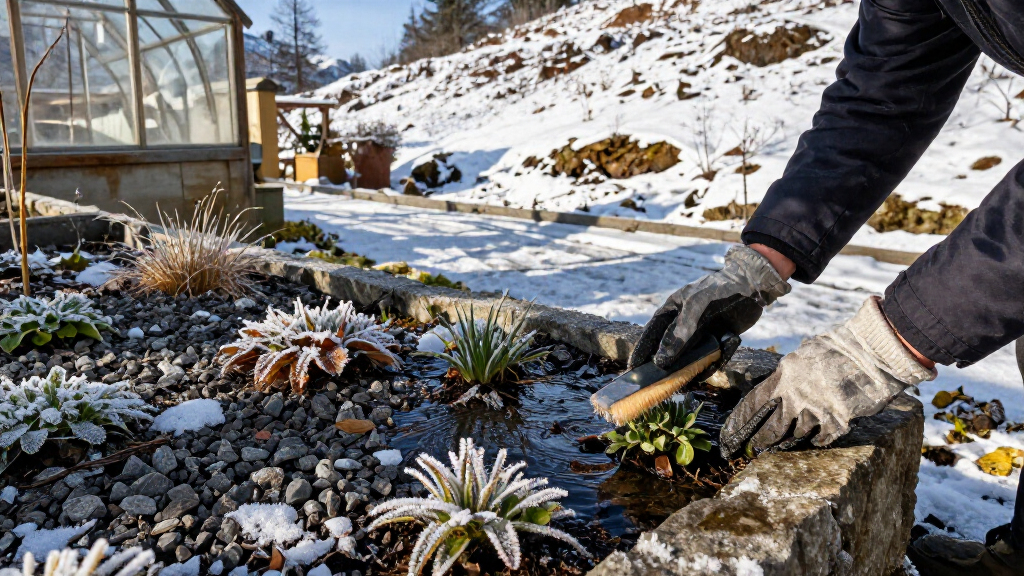
For alpines growing in rock, crevice or gravel gardens, the report suggests using a cold frame, cloche or other rain cover. Glass panes or plastic sheeting can also be used if secured safely. Covers need ventilation: open cold-frame vents or lift covers on warmer days so damp air does not remain trapped around the plants.
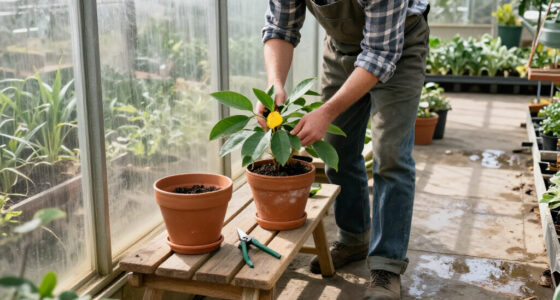
For alpines in containers, the advice is to move pots to an unheated greenhouse, alpine house, cold frame or porch. If no covered space is available, placing pots under eaves can reduce direct rain exposure. Check drainage holes for blockages, and raise containers on pot feet or bricks so water can run away. Morgan Brooks, founder and editor of Plant Style Home, recommends raising and slightly tilting pots, and using a gritty planting mix containing compost, sharp sand and fine gravel.
Keeping Winter Rain Off Alpine Roots
The advice matters because winter damage can occur even when temperatures are not exceptionally low. According to the report, prolonged exposure to cold, sodden soil can deprive roots of oxygen and contribute to rot, while repeated freezing and thawing can lift plants out of the soil, a process known as frost heave.
That changes the winter-care priority for gardeners: protection is not simply about keeping plants warm. The report emphasizes limiting excess moisture without sealing plants in humid, still air. That balance may help gardeners protect vulnerable crowns while reducing conditions that encourage fungal problems. It also offers a lower-cost approach for container growers: clearing drainage and raising pots rather than relying only on a dedicated greenhouse.
Products Worth Considering

Philips Hue Festavia Outdoor Globe String Lights, 8 Bulbs, 22 ft

Google Nest Cam Indoor/Outdoor Battery Security Camera

LG 77-Inch OLED evo C6 4K Smart TV
As an affiliate, we earn on qualifying purchases.
Why Garden Alpines Need Shelter
Alpine plants are commonly valued for their hardiness and low maintenance. The report says many are drought-tolerant and can thrive in relatively poor soils once established, which can make winter protection seem unnecessary. However, their tolerance of cold does not mean they are suited to sitting for long periods in wet soil.
The key difference described in the report is between well-drained mountain ground and wetter garden conditions. Snow in natural alpine environments can provide insulation from wind and rain, then melt into soil that drains rapidly. In a mild, rainy garden winter, plants may instead face persistent moisture and fluctuating temperatures. The report therefore recommends tailoring protection to whether an alpine grows in the ground or in a pot.
“During wet winters, water fills the air spaces around the roots and deprives the roots of oxygen. Over time, the roots and crown can rot.”
— Jessica Mercer, horticulturist at Plant Addicts
Care Depends on Plant and Site
The report offers general guidance rather than a schedule for every alpine species or climate. It does not specify how much winter watering each plant needs, how often each garden should be checked, or which cover is suitable for every local weather pattern. Its source text says to check soil moisture every few weeks and give alpines very little water, but the supplied material ends before completing that watering guidance.
Gardeners should also account for local conditions and plant requirements: exposure, drainage, container size and the type of alpine can all affect how quickly soil dries. The report does not establish that every alpine needs the same level of cover or that winter wet is the only cause of plant loss.
Check Covers and Drainage
The practical next step is to inspect alpine beds and containers before prolonged winter rain: clear blocked pot holes, raise containers, and set up rain protection for vulnerable in-ground plants. During warmer spells, gardeners using a cold frame or cloche should ventilate the cover so air circulates and humidity does not build up.
Check soil moisture periodically rather than watering on a fixed schedule, and avoid leaving plants in saturated compost. The report provides no further forecast or follow-up announcement; its guidance is to keep monitoring conditions through winter and adjust shelter and watering to the plants’ needs.
Key Questions
What is the main winter risk for alpine plants?
The Homes & Gardens report identifies prolonged waterlogging as a major risk. Saturated soil can limit oxygen around roots and contribute to root or crown rot.
Should alpine plants be covered in winter?
The report suggests covering vulnerable alpines in rock, crevice or gravel gardens with a cold frame, cloche or other rain cover. Keep airflow in mind, and ventilate covers on warmer days.
Where should potted alpine plants spend winter?
A sheltered, dry place such as an unheated greenhouse, alpine house, cold frame or porch is recommended. If those are unavailable, placing pots under eaves and raising them to improve drainage can help limit exposure to rain.
Do alpine plants need watering during winter?
The source advises giving them very little water and checking moisture periodically, since saturated soil is a concern. It does not provide a species-by-species watering schedule, so conditions and the plants’ needs should guide decisions.
Source: homesandgardens.com