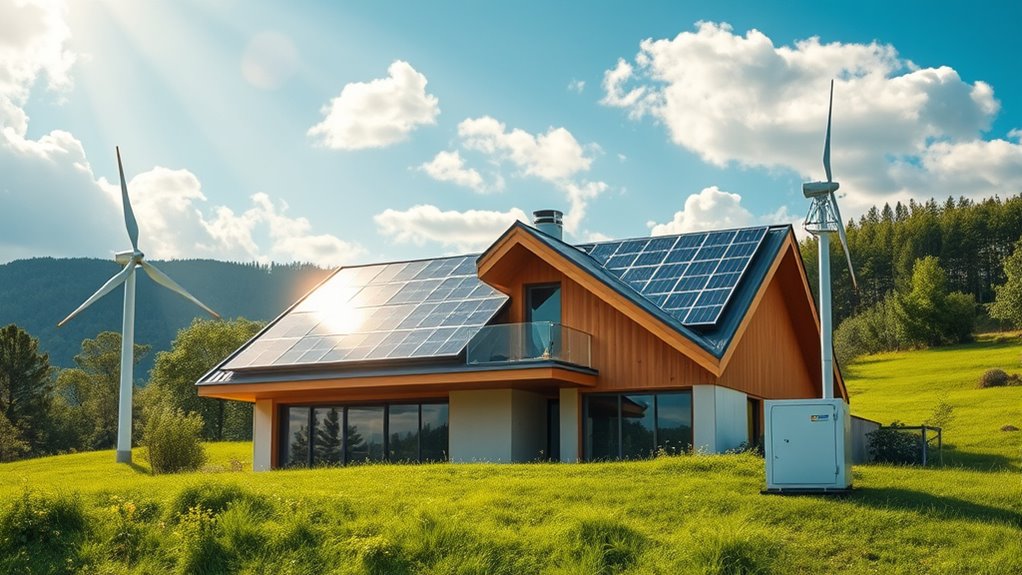

Home microgrids allow you to generate your own renewable energy using solar panels or small wind turbines, while battery storage lets you save excess power for later use. This setup guarantees you have a reliable, independent power source—even during outages or peak times—helping cut costs and reduce your carbon footprint. By combining these technologies, you gain greater control over your energy needs and discover new ways to build a resilient, sustainable household. Keep exploring to learn how this system can transform your home.
Key Takeaways
- Home microgrids can operate independently using renewable sources like solar panels and wind turbines.
- Battery storage captures excess renewable energy for use during low production periods.
- Integrating batteries ensures continuous power supply during outages and peak demand times.
- Technological advances make renewable-based microgrids more affordable, efficient, and customizable.
- These systems promote sustainability, reduce energy costs, and increase energy independence for households.
Have you ever wondered how you can make your home more energy-independent and resilient? One of the most effective ways is by integrating a home microgrid that leverages renewable energy sources and battery storage. A microgrid acts as a small, localized energy network that can operate independently from the main power grid. This setup allows you to generate your own electricity using solar panels or small wind turbines, reducing your reliance on external providers and shielding you from power outages. The key to maximizing this independence lies in battery storage, which stores excess energy generated during sunny or windy periods. When sunlight wanes or wind dies down, the stored energy kicks in, powering your home seamlessly. This continuous supply of stored energy is what fundamentally enhances your energy independence, giving you control over your power needs and costs.
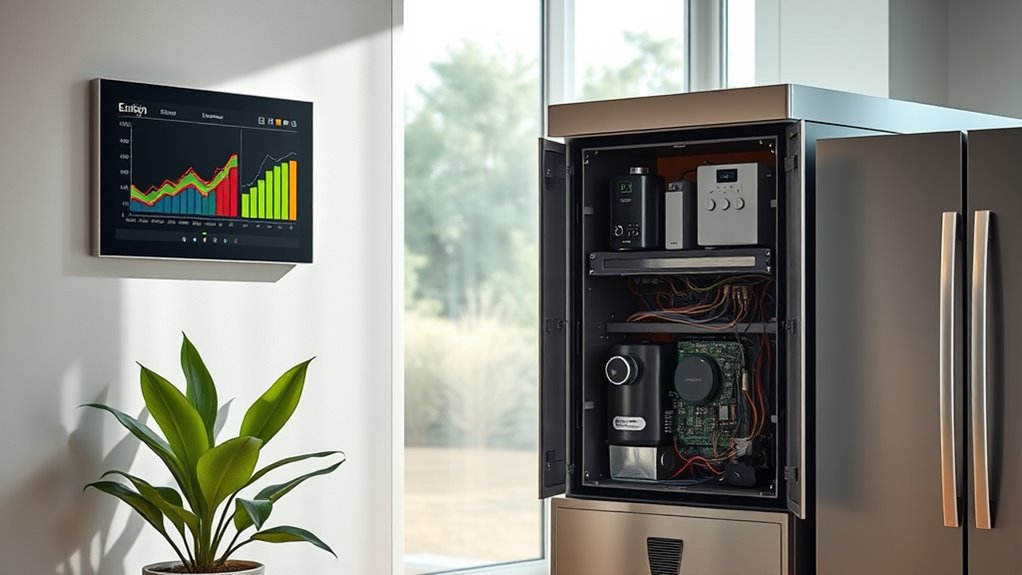
Battery storage plays an essential role in making your microgrid viable and reliable. Instead of sending surplus energy back to the grid or letting it go to waste, batteries capture and hold it for later use. This means you can run your home off your renewable sources even when the sun isn’t shining or the wind isn’t blowing. Advanced battery systems can be scaled to match your energy consumption, whether you have a small apartment or a large family home. Not only does this reduce your reliance on grid electricity, but it also helps you save money over time. By producing your own power and storing it efficiently, you avoid fluctuating energy prices and potential outages. Plus, a battery-equipped microgrid supports a more sustainable lifestyle by decreasing your carbon footprint and promoting the use of clean energy.
Achieving true energy independence through a home microgrid isn’t just about installing solar panels; it’s about creating a resilient system that adapts to your needs. With battery storage, you gain the ability to manage your energy flow intelligently, using stored power during peak rate times or emergencies. This setup gives you peace of mind, knowing you can maintain essential functions even if the grid goes down. As technology advances, battery systems are becoming more affordable and efficient, making it easier than ever to develop a microgrid tailored to your home. In addition, selecting the right battery technology is crucial for optimizing performance and longevity. In essence, by embracing renewable energy coupled with reliable battery storage, you’re taking a significant step toward energy independence. You’re not just reducing your utility bills; you’re empowering yourself with a sustainable, resilient power solution that keeps your home running smoothly under various circumstances.

ECO-WORTHY 10KW Output 9.36KWH Off Grid Solar System Complete Kit for Home:12pcs 195W Solar Panels(2340W)+10KW 120V/240V Inverter (UL 1741)+ 2pcs 48V 100AH Lithium Batteries(UL 1973&UL 9540A)
[Ideally Output of 9.36KWH] The power of 9.36KWh per day under 4 hours full sunshine by the 2340W…
As an affiliate, we earn on qualifying purchases.
As an affiliate, we earn on qualifying purchases.
Frequently Asked Questions
What Are the Initial Costs of Setting up a Home Microgrid?
The initial investment for setting up a home microgrid varies depending on system size and technology, but typically ranges from $10,000 to $50,000. Conducting a thorough cost analysis helps you understand expenses like renewable energy sources, batteries, and installation. While costs may seem high upfront, many homeowners see long-term savings and energy independence benefits, making it a worthwhile investment.
How Long Do Home Batteries Typically Last Before Needing Replacement?
Your home batteries typically last around 10 to 15 years before needing replacement, but with perfect care, some can even go up to 20 years! The battery lifespan depends on usage, maintenance, and technology. Keep an eye on the replacement timeline, and you might stretch those years longer. Regular check-ups and proper charging habits can extend your battery’s life, saving you money and ensuring reliable energy storage for years to come.
Can a Home Microgrid Operate Independently During a Power Outage?
Yes, a home microgrid can operate independently during a power outage, enhancing blackout resilience. When equipped with batteries and renewable energy sources, it isolates from the main grid and continues supplying power to your home. This setup guarantees you stay powered, especially during emergencies. By enabling independent operation, your microgrid provides reliable energy, giving you peace of mind and maintaining essential functions even when the main grid fails.
What Maintenance Is Required for Renewable Energy Components in a Microgrid?
You need to regularly maintain your renewable energy components by cleaning your solar panels to guarantee they operate efficiently. Keep an eye on inverter calibration to prevent performance issues, and check for any debris or dirt buildup. Additionally, inspect wiring and connections for wear or corrosion. Performing these routine tasks helps maximize energy output and prolongs the lifespan of your system, ensuring your microgrid runs smoothly during outages and everyday use.
Are There Government Incentives for Installing Home Microgrids?
You’ll be amazed by how much you can save with government grants and tax incentives for installing a home microgrid. These programs make going green easier and more affordable, often covering a significant portion of your setup costs. Check with local and federal agencies, because many offer generous incentives that can turn your eco-friendly dream into a reality, empowering you to take control of your energy future and save big.

Ontel Battery Daddy Storage & Organizer Case w/Tester, Stores & Protects Up to 180 Batteries, Double-Sided, Clear Locking Lid, Secure Latches & Portable Carrying Handle – Red (Batteries Not Included)
Double-Sided Battery Organizer: The Ontel Battery Daddy is a compact & portable way to organize, store and protect…
As an affiliate, we earn on qualifying purchases.
As an affiliate, we earn on qualifying purchases.
Conclusion
Imagine a future where your home becomes its own power plant, harnessing renewable energy and batteries to light up your life. With home microgrids, you’re not just a bystander but a crucial part of the energy revolution. Don’t wait for change—be the spark that ignites a cleaner, greener world. After all, isn’t it time you took control of your energy destiny and powered your home with the sun and wind?

VEVOR 500W Wind Turbine Generator, 12V Wind Turbine Kit, 5-Blade Wind Power Generator with MPPT Controller, Adjustable Windward Direction & 2.5m/s Start Wind Speed, Suitable for Home, Farm, RVs, Boats
500W High-Efficiency Output: VEVOR 500W high-power wind turbine generator delivers exceptional wind energy utilization and efficiency, making it…
As an affiliate, we earn on qualifying purchases.
As an affiliate, we earn on qualifying purchases.

SOLAR POWER BLUEPRINT FOR BEGINNERS: A DIY Homeowner’s Guide to Designing, Installing, and Optimizing Residential Solar Panels for Long-Term Savings and Energy Freedom
As an affiliate, we earn on qualifying purchases.
As an affiliate, we earn on qualifying purchases.