TL;DR
Grow Organic published a planting-day checklist dated October 16, 2026, outlining how to prepare and plant bare-root fruit and nut trees. It emphasizes keeping roots moist, setting the root flare at soil level, backfilling with native soil and monitoring moisture after planting.
Grow Organic published a bare-root tree planting-day checklist on October 16, 2026, setting out steps for preparing and planting fruit and nut trees that arrive without soil around their roots. The guidance focuses on keeping roots moist, making a wide planting hole, and positioning the root flare at the surrounding soil level—details that help gardeners complete planting while the tree is dormant and the ground is workable.

Get garden gear delivered free with Prime
- Fast, free delivery on millions of items
- Prime Video, Amazon Music and more included
- Member-only deals all year
The checklist says to plant promptly when conditions allow. If planting has to wait, it advises covering roots with damp packing material and storing the tree in a cool, shaded, frost-free place. Roots should remain protected from sun and wind while the hole is prepared. Grow Organic also recommends checking whether the chosen site meets the tree’s sunlight, drainage and mature-size needs, and whether the variety requires a compatible pollination partner.
Before digging, growers are advised to locate the root flare and, if present, the graft union, which is a separate swelling or bend higher on the trunk. Inspect roots and use clean pruning tools to remove dead, broken or decayed portions. Healthy roots should be preserved; circling or sharply kinked roots may need correction. The article’s supply list includes a shovel, a trowel or hand cultivator, damp covering material, water, pruning shears and mulch, with animal protection or stakes where conditions call for them.
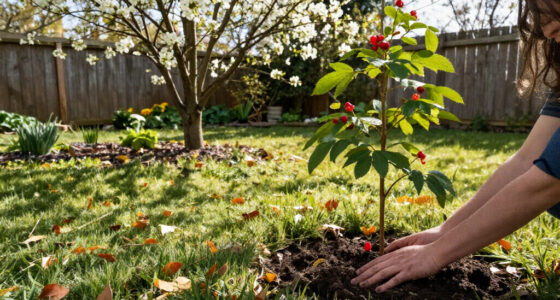
The hole should be about two to three times wider than the root spread, but only deep enough to accommodate the roots with the flare at ground level. Spread roots naturally, backfill with the excavated soil and water to settle soil around them. The guidance cautions against heavy compaction and routine fertilizer, compost or other amendments in the hole. After watering, check the depth again and reposition the tree if it has settled too low.
Planting Depth Shapes the Start
The checklist addresses practical steps that matter at the moment a bare-root tree is most exposed: its roots are out of soil while the planting site is prepared. Keeping roots moist and minimizing their exposure are central instructions. Correct depth also matters because planting too deeply can bury the trunk base, while a crowded hole can force roots into unnatural positions.
These recommendations give gardeners a sequence to follow on planting day rather than relying on a single final check. The guidance also carries beyond installation: mulch should be kept at least four inches from the trunk, and soil moisture should be checked regularly. Watering needs depend on rainfall, temperature and drainage, so the article advises watering when needed to keep the root zone moist without leaving it persistently saturated.
Products Worth Considering

Arlo Pro Wireless Security Camera, 2K HDR, 6th Generation, 4-Camera Set

Philips Hue Smart Light Starter Kit with Bridge and 4 White and Color A19 Bulbs

Roborock Qrevo S Pro Robot Vacuum and Mop with 18,500 Pa Suction
As an affiliate, we earn on qualifying purchases.
A Guide for Dormant Trees
Bare-root trees are supplied without soil around their roots. Grow Organic’s article says to plant them while dormant, generally during winter or early spring depending on local climate, and when the ground is workable. If site preparation or weather delays planting, the stated interim measure is damp packing material and cool, shaded, frost-free storage—not leaving roots exposed to dry air, sun or wind.
The checklist points readers to separate Grow Organic guides for detailed planting instructions, choosing a bare-root fruit tree and care during the first 30 days and first year. It notes that soaking recommendations differ: the source cites Iowa State guidance of one to two hours and UC IPM guidance of six to 12 hours for fruit and nut trees. It tells readers to follow instructions for their particular tree and not use prolonged standing water as storage.
“A little preparation helps keep bare roots from drying out and makes planting easier.”
— Grow Organic, in its October 16, 2026 article
Local Conditions Affect the Details
The checklist does not give one planting date or watering schedule for every location. Dormancy and workable soil vary by climate, while moisture needs depend on rainfall, temperature and drainage. The article also says soaking recommendations differ between the university and extension resources it cites, so it does not establish a single duration for every tree.
Whether a tree needs a pollination partner, animal protection, staking or ongoing support depends on its variety, rootstock and planting site. The source specifically notes that dwarfing apple rootstocks may need continuing stake or trellis support. It also cautions that gopher baskets do not provide complete protection and that wire barriers can restrict root growth; local guidance may be needed. The article is gardening guidance, not a report of a newly announced research finding or a change in official planting standards.
Monitor the Tree After Planting
After planting, gardeners should water to settle soil around the roots, confirm that the tree remains at the correct depth and apply a two- to three-inch mulch layer without piling it against the trunk. Stake only when the tree, site or rootstock requires support, using wide, flexible ties that allow some movement and do not rub or constrict the trunk. Protection should be checked as the tree grows.
The checklist advises recording the variety, rootstock, planting date and any pollination partner. In the weeks that follow, growers should check soil moisture and adjust watering to conditions rather than a fixed calendar. Grow Organic directs readers to its first-30-days and first-year care guidance for continued steps after planting.
Key Questions
When should I plant a bare-root tree?
Grow Organic advises planting while the tree is dormant, when the ground is workable. The season varies with climate, commonly falling in winter or early spring. If planting is delayed, keep roots covered with damp packing material in a cool, shaded, frost-free location.
How deep should the planting hole be?
Make the hole wide enough to spread the roots—about two to three times their spread—and only deep enough to fit them with the root flare at the surrounding soil level. Keep the graft union, if present, above the final soil line.
Should bare roots be soaked before planting?
The source says recommendations vary. It cites Iowa State guidance of one to two hours and UC IPM guidance of six to 12 hours for fruit and nut trees. Follow the instructions for the particular tree, keep roots moist while preparing the site and do not leave the tree in water for prolonged storage.
Should I add compost or fertilizer to the hole?
Grow Organic says not to routinely add fertilizer, compost or other amendments to the planting hole. It recommends backfilling with excavated soil and seeking suitable local advice if a soil test identifies a problem.
How should I water after planting?
Water to settle soil around the roots, then check soil moisture regularly. Water when needed to keep the root zone moist, while avoiding persistent saturation. Rainfall, temperature and drainage affect how often watering is needed.
Source: rss