TL;DR

Get garden gear delivered free with Prime
- Fast, free delivery on millions of items
- Prime Video, Amazon Music and more included
- Member-only deals all year
Amateur Gardening has outlined five preparations for gardens ahead of stormy, wet and windy weather: shelter pots, secure plants and structures, store loose objects, check trees and reduce waterlogging. These steps may limit damage, but they cannot eliminate storm risks; stay indoors once severe weather begins.
Amateur Gardening has published five practical jobs for gardeners preparing for stormy, wet and windy weather, including moving exposed pots, securing garden structures and checking trees for weak branches. The advice is intended to reduce the risk of damage to plants, property and people, though the report cautions that no preparation can protect a garden from every storm.
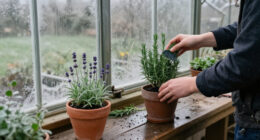
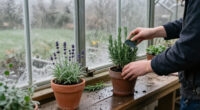
The checklist begins with containers and hanging baskets. Move pots out of exposed positions and set them on the ground, grouping them together where practical. The report says tender plants can be moved to a frost-free space if one is available. Take hanging baskets off their brackets and place them securely on the ground until the weather passes.
Next, check the garden’s supports and loose objects. Make sure arches, trellises and stakes are secure, and tie in tall plants such as sunflowers. Bring in toys, tools, empty pots and outdoor furniture. The report also advises checking that greenhouses and sheds are well built and bolted down, and securing trampolines, which can be lifted or displaced in strong winds.
The final jobs concern trees and heavy rain. The report recommends asking a tree surgeon to inspect tall trees near homes or roads, and removing weak branches before they fall. To help manage rain, check that container drainage holes are clear and avoid leaving pots standing in water. It also suggests considering plants that tolerate wetter conditions and using a water butt to collect rainwater.
Reducing Damage Before Strong Winds
Garden items can become hazards when blown or toppled: a falling pot or flying furniture may injure someone or damage nearby property. Securing structures and storing loose objects can reduce those risks, while checking trees may help identify branches that could fall near buildings, cars or paths.
Heavy rain brings a different problem. Blocked drainage and waterlogged containers can leave plants sitting in excess water, while intense rainfall can contribute to flooding. The checklist gives householders a set of steps that can be taken before a storm, but it is not a guarantee against damage or a substitute for staying safe during severe weather.
Products Worth Considering

Philips Hue Festavia Globe Outdoor String Lights, 32 Bulbs, 91 ft

Ring Floodlight Cam Wired Plus, 1080p HD Outdoor Security Camera with Motion-Activated Floodlights, 4-Pack, White

Ring Outdoor Cam 4K Plus Battery Security Camera, 3-Pack, White
As an affiliate, we earn on qualifying purchases.
Five Areas to Check Outdoors
The Amateur Gardening report frames the advice around the approach of a storm season and says gardens of different types may be exposed, including coastal, urban, balcony and school gardens. Its central point is that preparation is not limited to planting beds: containers, furniture, toys, sheds and trees also need attention.
The source refers to a hot, dry summer followed by an outlook for windier and wetter months, and links that outlook to El Niño. It does not provide a forecast agency, specific dates or local weather warnings. The practical recommendations should therefore be read as general preparation advice, not as a prediction of conditions for a particular location.
“The garden can wait; your safety is paramount.”
— Amateur Gardening
Local Forecasts and Garden Risks
The report does not identify a particular storm, name an affected region or give a forecast date. It also does not cite a meteorological source for its seasonal outlook, so the timing and severity of local conditions cannot be established from the article alone.
How much protection the recommended jobs provide will depend on the strength of the wind and rain, the condition and location of each garden, and whether structures and trees are already damaged. The checklist does not quantify likely losses or promise that any measure will prevent damage.
Prepare Before Weather Arrives
Gardeners can work through the five areas before local bad weather arrives: move containers to sheltered ground, secure supports and structures, store loose objects, arrange an appropriate tree inspection, and check drainage. Follow local weather warnings and any safety advice from relevant authorities.
If strong winds or heavy rain have already started, stay indoors and leave garden work until conditions are safe. The source gives no further update or storm-specific milestone; what happens next will depend on local forecasts and the weather itself.
Key Questions
What should I move before a storm?
Move exposed pots to a sheltered place at ground level, group them together where possible, and take hanging baskets down from their brackets. Store toys, tools, empty pots and outdoor furniture indoors if you can.
How can I secure plants and garden structures?
Check that arches, trellises and stakes are firmly secured, and tie in tall plants. The report also advises checking that sheds and greenhouses are sound and bolted down, and securing trampolines.
What should I do about trees before stormy weather?
If a tall tree is near a house or roadside, Amateur Gardening recommends having it checked by a tree surgeon. Weak branches may need attention before a storm; do not attempt risky work once severe weather has begun.
How can I protect container plants from heavy rain?
Check that drainage holes are clear and avoid leaving pots sitting in saucers or standing water for prolonged periods. The report also suggests collecting rainwater in a water butt and considering plants suited to wetter conditions.
Should I go outside to secure the garden during a storm?
No. The report says to stay indoors once the weather has started causing trouble. Wait until conditions are safe before checking the garden.
Source: amateurgardening.com