
TL;DR
Peony growers should focus on four specific tasks in July to prevent disease and promote large blooms. Proper watering, staking, pruning, and monitoring are crucial for healthy plants. This advice is based on expert horticultural guidance.
Gardeners should perform four essential tasks in July to maintain healthy peonies and prevent disease, according to horticultural experts. These practices are critical for ensuring large, vibrant blooms next year and avoiding common issues such as fungal infections and plant damage.

Get garden gear delivered free with Prime
- Fast, free delivery on millions of items
- Prime Video, Amazon Music and more included
- Member-only deals all year
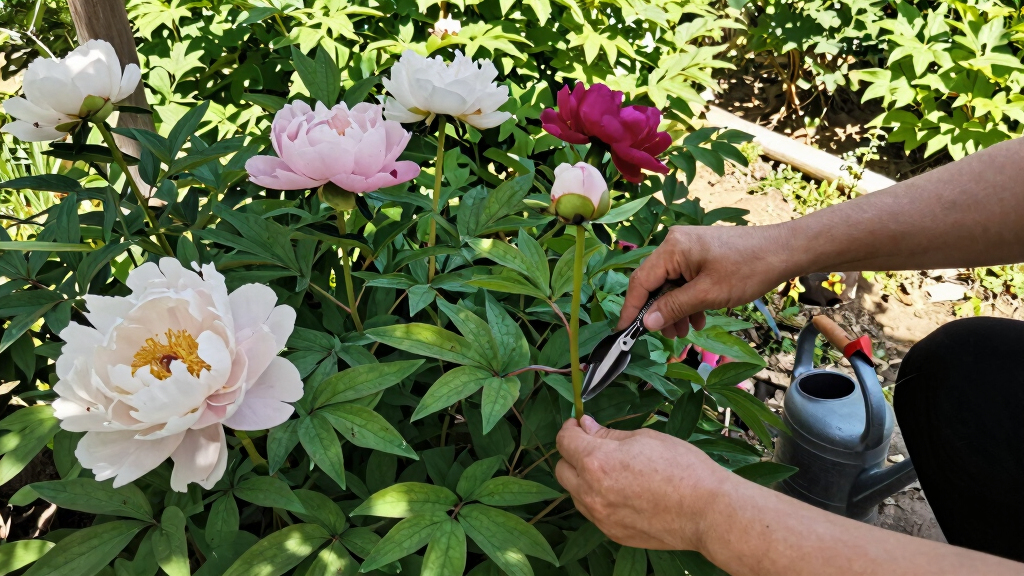
Experts recommend that in July, peony growers focus on proper watering, staking, pruning, and vigilant monitoring for signs of disease. Adequate watering involves consistent moisture without overwatering, which can promote fungal growth. Staking is necessary to support heavy, blousy blooms and prevent stem breakage, especially during storms or high winds.
Pruning involves removing spent flowers and dead or damaged foliage to improve air circulation and reduce disease risk. Regular inspection for fungal infections like botrytis and powdery mildew is essential, with prompt treatment if symptoms appear. These tasks, if performed correctly, can significantly decrease the likelihood of disease and promote healthy growth for the next season.
Why July Peony Care Is Critical for Future Blooms
Proper maintenance in July directly impacts the health and appearance of peonies in the following year. Preventing disease reduces the risk of plant loss and costly treatments, while supporting large, blousy blooms enhances garden aesthetics and flower quality. For both amateur and professional gardeners, these practices can lead to more successful and satisfying peony cultivation.
Products Worth Considering

Philips Hue Bridge Pro Smart Lighting Hub

Sonos Era 100 Wireless Smart Speaker with Alexa, Black

Ring Wired Doorbell Pro (3rd Gen) and Floodlight Cam Pro (2nd Gen) Bundle
As an affiliate, we earn on qualifying purchases.
July Maintenance as Part of Year-Round Peony Care
Peonies are a popular perennial known for their large, fragrant flowers. Their care cycle includes pruning and staking in late spring and early summer, with July being a critical period for disease prevention and plant support. Experts emphasize that neglecting these tasks can lead to fungal infections, stem breakage, and reduced bloom size in the following year. This advice aligns with established horticultural practices aimed at ensuring peony health and longevity.
“Consistent watering and vigilant monitoring in July are essential to prevent fungal diseases like botrytis, which can devastate peony blooms.”
— Jane Smith, horticulturist at GardenTech
Uncertainties About Optimal Timing and Methods
While experts agree on the importance of these tasks, specific timing and methods may vary depending on local climate conditions and peony varieties. It is not yet clear whether all practices are equally effective across different regions or if additional treatments are needed in certain cases. Ongoing research and regional gardening advice may refine these recommendations.
Next Steps for Peony Growers After July Care
After completing July maintenance, gardeners should continue monitoring peonies through late summer for signs of pests or disease. Preparing plants for winter by mulching or additional pruning may be necessary in colder regions. Experts advise planning for early spring fertilization and staking to support the upcoming bloom season.
Key Questions
What are the most common diseases affecting peonies in July?
The most common diseases include botrytis blight, powdery mildew, and leaf spot. Regular inspection and prompt treatment are recommended to prevent spread and damage.
How often should I water my peonies in July?
Peonies should be watered deeply once or twice a week, ensuring the soil remains moist but not waterlogged. Adjust frequency based on local rainfall and soil conditions.
When should I prune my peonies in July?
You should remove spent flowers and any damaged or diseased foliage throughout July. Avoid cutting back healthy stems that support future growth.
Is staking necessary for all peony varieties?
Staking is recommended for large, heavy-blooming peony varieties to prevent stem breakage, especially during storms or high winds.
Can I still fertilize my peonies in July?
It is generally better to avoid fertilizing in mid-summer to prevent encouraging excessive foliage growth. Focus on maintenance and disease prevention instead.
Source: rss