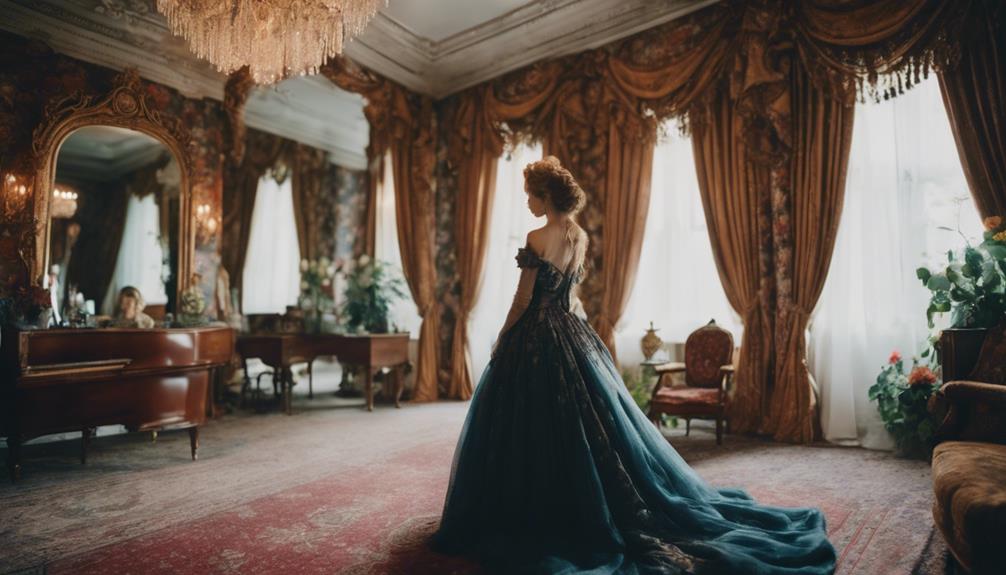
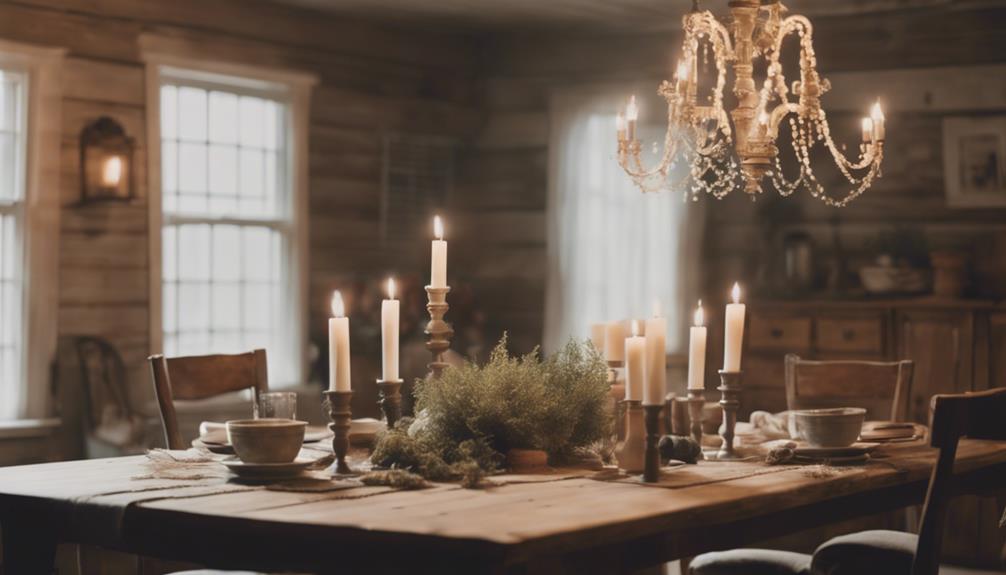
To create a cohesive look when mixing patterns and textures, start by choosing a dominant color palette that complements all elements. Balance large, bold patterns with smaller, subtler ones, and incorporate varied textures like smooth, rough, or shiny finishes to add interest. Place heavier patterns in areas that won’t overpower and use accents to connect different textures seamlessly. If you keep these principles in mind, you’ll discover how to design a harmonious and inviting space, and there’s more to explore on this style journey.
Key Takeaways
- Balance large, bold patterns with smaller, subtler ones to prevent visual overload.
- Mix different textures like smooth and rough to add tactile interest without clutter.
- Use a cohesive color palette to unify diverse patterns and textures throughout the space.
- Distribute contrasting textures evenly for visual harmony and dimension.
- Layer patterns and textures thoughtfully, ensuring they complement rather than compete with each other.

Mixing patterns and textures can transform a room from ordinary to extraordinary, adding depth and visual interest. When you’re working with contrast color schemes, it’s essential to strike a balance that keeps the space lively without feeling chaotic. Start by selecting a dominant color that sets the tone for your room. Then, introduce other hues in smaller doses, ensuring they complement rather than clash. This approach creates a cohesive visual flow, even as you play with bold patterns or varied textures. Remember, the goal is to contrast colors thoughtfully, so they enhance each other rather than compete for attention.
Balance bold patterns and textures with a dominant color for a cohesive, lively space.
Balancing scale is a key principle in mixing patterns and textures effectively. If you have a large, bold pattern on a sofa, pair it with smaller, more subdued patterns on pillows or curtains. Conversely, if your wallpaper or wall art features a delicate print, opt for larger, more graphic textiles elsewhere in the room. This contrast in scale prevents the space from feeling overwhelming or visually cluttered. You want the eye to move comfortably across the room, appreciating each element without feeling overstimulated.
When combining textures, think about variety and harmony. Mixing smooth, shiny surfaces with rough, matte finishes adds tactile interest without disrupting the overall aesthetic. For instance, pair a sleek leather chair with a plush, textured rug. This contrast not only heightens the sensory experience but also anchors your design. Be intentional about where you place different textures; for example, don’t cluster all the rough finishes together. Instead, disperse them throughout the space to create a balanced, inviting environment.
Layering patterns and textures also involves considering their visual weight. Bold, large-scale patterns tend to draw more attention, so place them strategically in areas that won’t overpower the room. Smaller, intricate patterns work well as accents, providing subtle detail that complements larger elements. Mix geometric patterns with floral prints, but keep their color palettes aligned for harmony. When textures differ, such as woven throws or velvet cushions, let them serve as accents that add richness and dimension without competing for attention.
Ultimately, successful pattern and texture mixing hinges on your ability to create contrast while maintaining harmony. By carefully balancing scale, choosing contrasting color schemes, and thoughtfully layering different textures, you craft a space that feels dynamic yet cohesive. This approach ensures your room isn’t just visually interesting but also inviting—an environment that reflects your personality and style with confidence. Understanding texture variety helps in achieving a harmonious and lively interior design.
Top picks for "pattern textur create"
Open Amazon search results for this keyword.
As an affiliate, we earn on qualifying purchases.
Frequently Asked Questions
How Do I Balance Bold Patterns With Subtle Textures?
To balance bold patterns with subtle textures, start with a strong pattern pairing as your focal point. Then, introduce subtle textures to complement and soften the look, creating a pleasing texture contrast. Keep the color palette cohesive to prevent overwhelming the space. Use the bold pattern sparingly and let the subtle textures serve as a visual rest, ensuring your design feels balanced and harmonious.
What Color Schemes Work Best With Mixed Textures?
Neutral palettes and monochrome schemes are your best bets when working with mixed textures. They create a harmonious look by emphasizing subtle differences in texture without overwhelming the senses. Many designers find that sticking to these color schemes helps balance bold patterns and rich textures, keeping the space cohesive. You’ll find that these schemes allow individual textures to shine while maintaining a sophisticated, unified aesthetic throughout your room.
Can Mixing Patterns Make a Small Room Look Bigger?
Yes, mixing patterns can make a small room look bigger. Focus on pattern scale, combining larger patterns with smaller ones to add depth. Use texture contrast to create visual interest without overwhelming the space. Keep the color palette cohesive, and balance busy patterns with solid colors or subtle textures. This approach draws the eye around the room, giving it a more open, inviting feel while maintaining a stylish, curated look.
How Many Different Patterns Can I Combine Without Clashing?
You can safely combine 3 to 4 different patterns without clashing if you pay attention to pattern scale and texture contrast. Mix large and small patterns to create visual interest, and balance busy prints with calmer textures. Keep color schemes cohesive, and vary textures to add depth. This approach keeps your space lively yet harmonious, preventing patterns from competing or overwhelming each other.
What Are Common Mistakes to Avoid When Mixing Textures?
Avoid pattern overuse, texture mismatch, and overwhelming your space by balancing elements thoughtfully. Don’t layer too many textures at once, which can create visual chaos, or rely heavily on patterns that clash, disrupting harmony. Instead, blend complementary textures, keep patterns in a manageable range, and guarantee each element enhances the overall cohesion. Be mindful of scale and color, and always step back to evaluate how textures work together.
Conclusion
By blending patterns and textures thoughtfully, you craft a look that’s as harmonious as a symphony. Think of your outfit as a vibrant garden—each element adding its own unique charm while working together to create a stunning, cohesive masterpiece. Trust your instincts, experiment boldly, and let your personal style bloom. With a little confidence, you’ll turn any space into a tapestry of beauty, reflecting your personality in every carefully chosen detail.