Color blocking walls lets you create bold, playful spaces by using vibrant shades and contrasting designs. You can experiment with geometric shapes, stripes, or gradients to turn plain walls into eye-catching focal points. Choosing the right colors—whether complementary, contrasting, or pastels—helps set the mood and style you want. Sharp painter’s tape and textured accents add precision and depth. Keep exploring these techniques to discover even more creative ways to make your walls truly stand out.

Get garden gear delivered free with Prime
- Fast, free delivery on millions of items
- Prime Video, Amazon Music and more included
- Member-only deals all year
Key Takeaways
- Use contrasting or complementary colors to create bold, eye-catching blocks that energize the space.
- Incorporate geometric shapes, stripes, or sharp lines with painter’s tape for precise, playful designs.
- Experiment with blending colors at edges or adding textured elements to enhance visual interest.
- Choose vibrant shades for lively environments or softer pastels for a more subdued, playful vibe.
- Balance bold color blocks with surrounding decor to highlight architectural features and maintain harmony.

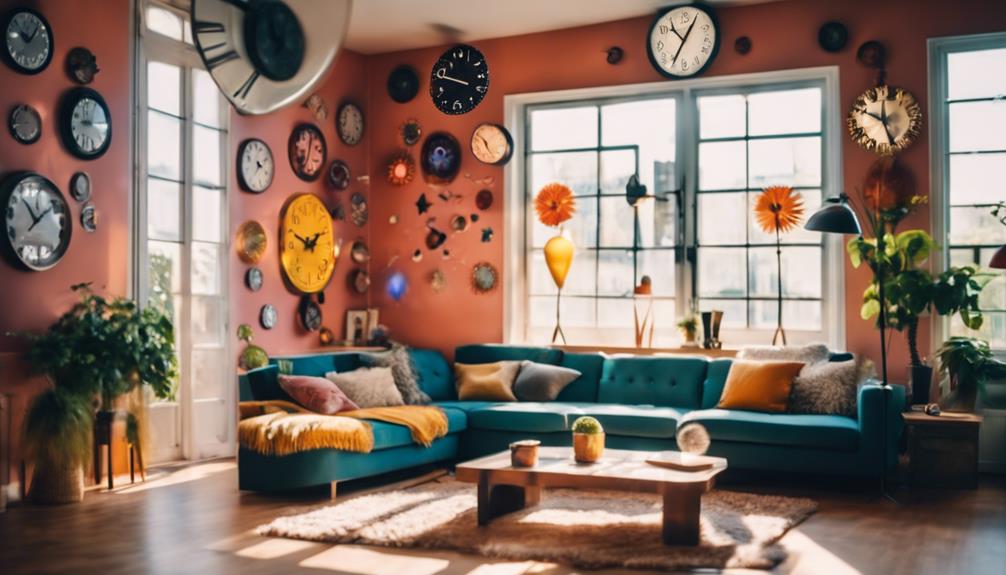
Color blocking walls is a bold design trend that instantly transforms any space with vibrant, contrasting hues. When you choose to incorporate color blocking, you’re making a statement—turning a plain wall into a focal point that energizes the entire room. The key to successful color blocking lies in savvy color pairing; selecting shades that complement or boldly contrast can create dramatic effects. Think about pairing a deep navy with a crisp white for a modern, sophisticated look, or combining warm oranges with cooler teals for a lively, playful vibe. The possibilities are endless, and experimenting with different color combinations allows you to express your personality and style confidently.
Wall accents are essential in enhancing your color blocking project. You can incorporate bold geometric shapes or stripes by painting sections of your wall in different hues, emphasizing the division with clean, straight lines. Using painter’s tape helps you achieve sharp, precise edges, giving your design a polished appearance. If you prefer a softer approach, consider blending colors at the edges with a dry brush technique or a gentle gradient to create a more subtle *shift*. Wall accents aren’t limited to paint; you can add textured elements like wallpaper strips or 3D wall panels that complement your chosen color palette, adding depth and interest to your design. These accents serve as visual anchors, breaking up large blocks of color and making your space feel more dynamic.
When planning your color blocking walls, think about how the hues will interact with existing furniture and decor. Bright, bold colors can energize a room, but they might overpower delicate furnishings. Conversely, muted or pastel shades offer a softer touch, creating a calming atmosphere. Consider the natural light your space receives; brighter rooms can handle more intense shades, while darker corners benefit from lighter tones to prevent a cramped feeling. Remember, the goal is balance—use color contrast strategically to highlight architectural features or to create visual zones within a space. Incorporating color theory principles can help you select harmonious or intentionally contrasting hues for maximum impact.
Ultimately, color blocking walls give you the freedom to play with color and design in a way that’s both playful and sophisticated. Whether you opt for subtle wall accents or bold, contrasting color blocks, you’re crafting a space that reflects your personality and taste. With careful color pairing and thoughtful use of wall accents, you can turn a simple wall into a stunning piece of art, adding energy and character to your home. This approach invites creativity, so don’t be afraid to experiment and make your walls a true reflection of your unique style.
painter's tape for wall painting
As an affiliate, we earn on qualifying purchases.
As an affiliate, we earn on qualifying purchases.
Frequently Asked Questions
What Are the Best Colors to Combine for Color Blocking Walls?
You should choose colors that create vibrant contrast and harmony. Opt for complementary shades like blue and orange or purple and yellow to make your color blocking walls pop. Use contrast techniques, such as pairing dark and light tones, to add depth and visual interest. Stick to a cohesive color palette to guarantee your design feels balanced, lively, and visually appealing, making your space truly stand out.
How Do I Choose the Right Wall for Color Blocking?
You’ve got to pick the right wall that’s a blank canvas waiting to shine. Look for a wall with interesting texture or one that’s less cluttered to make your color blocking pop. Consider your room’s lighting—natural light highlights bold colors, while dimmer spaces may need lighter shades. Think of it as hitting two birds with one stone: choose a wall that complements your space’s overall vibe and lighting for the best effect.
Can Color Blocking Walls Suit Small Spaces Effectively?
Yes, color blocking walls can suit small spaces effectively. You can create small space illusions by using light, bright shades on larger sections of the wall, making the room feel more open. Incorporate color blocking furniture with contrasting colors to add depth without overwhelming the space. Keep the blocks simple and strategic, focusing on one accent wall to give your small area a bold, playful vibe without sacrificing spaciousness.
What Tools Are Essential for Creating Clean Color Blocks?
To create clean color blocks, you need essential tools like painter’s tape and a straight edge to guarantee crisp lines. Use a level to keep your tape straight, and measure with a measuring tape and pencil for precise placement. Paintbrushes and foam rollers help apply paint smoothly. Cover floors with drop cloths, and keep your paint cans handy for quick touch-ups. These tools help you achieve sharp, professional-looking color blocks effortlessly.
How Do I Maintain the Vibrancy of Color Blocked Walls Over Time?
To keep your color blocked walls vibrant, think of it as a dance with your space. Regularly dust and clean with gentle solutions, and protect your paint from direct sunlight. Adjust your furniture arrangement and lighting enhancements to highlight the bold colors, preventing fading and keeping the vibrancy lively. With a little care, your walls will continue to make a playful statement that stays fresh and eye-catching over time.
As an affiliate, we earn on qualifying purchases.
Conclusion
Color blocking walls isn’t just a bold trend; it’s a way to express your personality and create a lively space. Some say it overwhelms a room, but with the right balance, it can energize your environment without overpowering it. The truth? When done thoughtfully, color blocking transforms any wall into a playful masterpiece that reflects your style. So go ahead—embrace the bold, experiment, and watch your space come alive with personality.
textured wall panels for accent walls
As an affiliate, we earn on qualifying purchases.
As an affiliate, we earn on qualifying purchases.
As an affiliate, we earn on qualifying purchases.
Halloween Picks
halloween
As an affiliate, we earn on qualifying purchases.