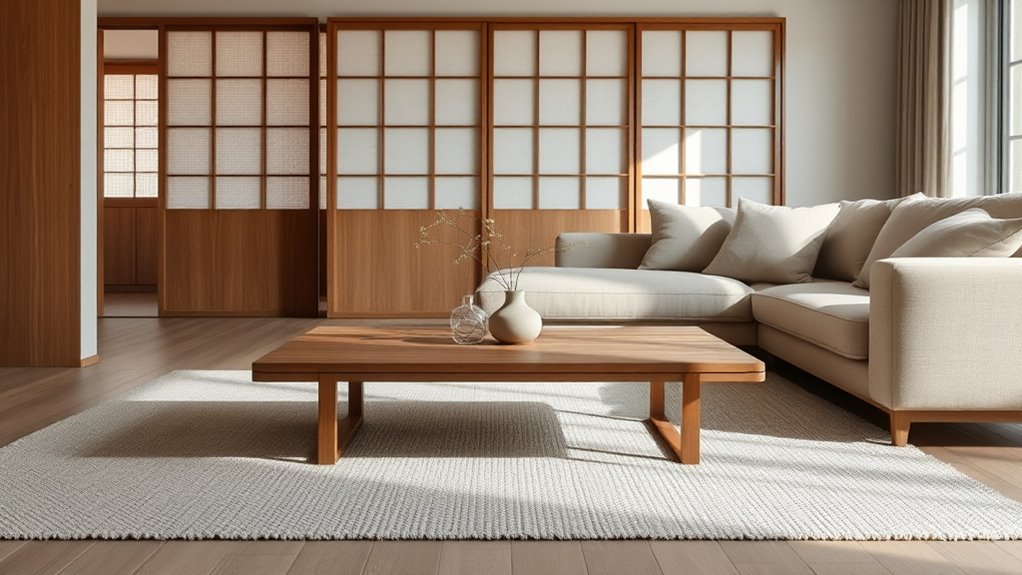
Japandi style blends Japanese minimalism with Scandinavian coziness to create calm, functional spaces. You’ll notice a focus on natural materials like wood, stone, and ceramics, combined with muted tones for a serene atmosphere. The design emphasizes simplicity, practicality, and craftsmanship, resulting in uncluttered yet warm environments. If you want to discover how this timeless style can bring balance and subtle elegance into your home, there’s much more to explore.
Open a free Amazon Business account
Business pricing, bulk buying and tax-exempt orders.
As an affiliate, we earn on qualifying purchases.
Key Takeaways
- Japandi style merges Scandinavian minimalism with Japanese elegance, emphasizing calm, warmth, and simplicity.
- It features natural materials like wood, stone, and ceramics in muted, soothing color palettes.
- The aesthetic promotes balance, tranquility, and uncluttered spaces that are both functional and inviting.
- Craftsmanship and subtle details highlight the practical beauty of furniture and decor.
- Inspired by sustainability, it fosters a mindful lifestyle through natural elements and minimalist design.
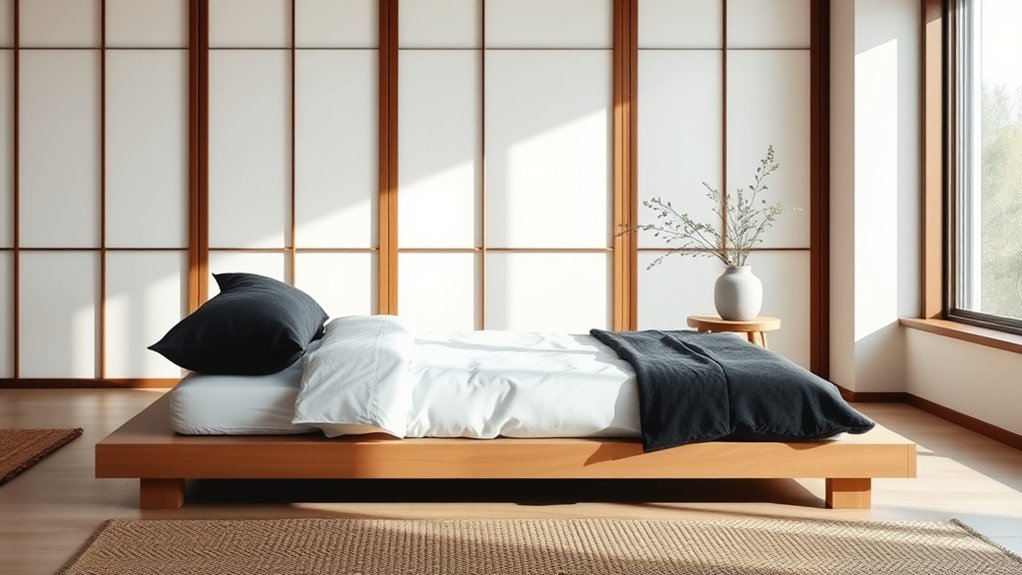
Are you searching for a design style that seamlessly blends simplicity with warmth? If so, Japandi style might just be what you’re looking for. This aesthetic combines the clean lines and functional approach of Scandinavian design with the refined elegance and tranquility of Japanese aesthetics. At its core, Japandi emphasizes a sense of calm and balance, creating spaces that feel both uncluttered and inviting. You’ll find that minimalist decor plays a central role, encouraging you to pare down your belongings and focus on quality over quantity. The style champions natural materials—think wood, stone, and ceramics—that add texture and a sense of organic warmth to your home. These elements work together to craft an environment that’s both stylish and soothing.
Japandi blends Scandinavian minimalism with Japanese elegance, creating calm, warm, and stylish spaces focused on simplicity and natural materials.
When you adopt Japandi, you’ll notice how effortless it is to maintain a sense of order and serenity. The minimalist decor means you avoid excess and focus on essentials, creating a sense of spaciousness. Instead of overwhelming patterns or bright colors, you’ll opt for muted tones like beige, soft greys, and warm browns, which serve as a calming backdrop. This restrained palette allows natural light to bounce around your space, further enhancing the tranquil vibe. The use of natural materials is deliberate—wooden furniture with clean, simple lines, for example, becomes the focal point of a room. These pieces are often crafted from sustainable sources, reflecting a respect for nature that’s intrinsic to both Japanese and Scandinavian philosophies. Incorporating natural materials like wood and ceramics not only enhances aesthetics but also promotes sustainability and eco-friendliness.
In Japandi style, functionality is just as important as aesthetic appeal. You’ll find that furniture is designed to be practical yet beautiful, with a focus on craftsmanship and subtle details. Storage solutions are cleverly integrated to keep clutter at bay, reinforcing the minimalist decor and maintaining the uncluttered look. The balance between form and function creates a harmonious environment that promotes relaxation and mindfulness. To deepen this sense of calm, natural elements like potted plants or bamboo accents are often incorporated, bringing a touch of the outdoors inside.
Ultimately, embracing Japandi style means creating a space that embodies simplicity without sacrificing warmth. The combination of minimalist decor and natural materials results in a home that feels balanced, peaceful, and authentic. It’s an aesthetic that encourages you to slow down, appreciate the beauty of understated design, and live intentionally. Whether you’re redesigning a single room or your entire house, Japandi offers a timeless approach that seamlessly merges the best of Japanese and Scandinavian sensibilities into a unified, inviting space.
Japandi style minimalist wooden furniture
As an affiliate, we earn on qualifying purchases.
As an affiliate, we earn on qualifying purchases.
Frequently Asked Questions
How Do I Incorporate Japandi Style Into Small Spaces?
To incorporate Japandi style into small spaces, focus on multi-functional furniture that maximizes storage without clutter. Choose sleek, simple pieces with clean lines, like a storage ottoman or a fold-out desk. Keep your color palette neutral and add natural materials like wood and linen. Use open shelving to display minimal decor, creating a calm, balanced environment that embodies Japandi’s essence of simplicity and functionality.
What Are the Best Color Palettes for Japandi Interiors?
Did you know that neutral color schemes are favored in 85% of Japandi interiors? For your space, opt for muted tones like soft beiges, warm greys, and calming whites. Add interest with subtle accent colors like deep navy or forest green to create contrast without overwhelming. These palettes promote serenity and simplicity, perfectly blending Japanese minimalism with Scandinavian coziness, making your small space feel open, peaceful, and stylish.
How Can I Mix Modern and Traditional Elements in Japandi Design?
You can mix modern and traditional elements in Japandi design by using fusion techniques that blend sleek, contemporary furniture with authentic cultural influences. Incorporate traditional Japanese craftsmanship or Scandinavian woodwork alongside minimalist pieces, creating harmony. Choose accessories like ceramics or textiles that highlight cultural roots. By balancing these elements thoughtfully, you’ll achieve a cohesive space that celebrates both modern simplicity and timeless tradition.
What Are Common Materials Used in Japandi Furniture?
Picture smooth, warm wood finishes like light oak or walnut, inviting you to touch their sleek surfaces. You’ll also find natural fibers such as linen, cotton, and jute woven into cushions and rugs, adding softness and texture. These materials create a calming, organic vibe, blending durability with natural beauty. By choosing these common materials, you infuse your space with the understated elegance and tranquility that define Japandi furniture.
How Do I Maintain the Minimalist Look Without Sacrificing Comfort?
To maintain a minimalist look without sacrificing comfort, focus on quality over quantity. Incorporate luxury accents like plush cushions or soft throws, and select decorative accessories that add warmth and personality. Keep furniture simple and functional, and avoid clutter. You can also use natural materials and neutral tones to create a calm, cozy space that feels inviting yet streamlined. Balance aesthetics with comfort to achieve a truly harmonious environment.
Scandinavian Japanese ceramic vases
As an affiliate, we earn on qualifying purchases.
As an affiliate, we earn on qualifying purchases.
Conclusion
Think of Japandi style as a peaceful river flowing between two worlds—Japanese minimalism and Scandinavian coziness. It’s a harmonious blend that invites you to find calm and clarity in your space. By embracing clean lines, natural materials, and understated elegance, you create a sanctuary that feels both grounded and serene. When you incorporate Japandi, you’re not just decorating—you’re crafting a gentle current of balance and tranquility that nurtures your soul every day.
natural material decor for Japandi interior
As an affiliate, we earn on qualifying purchases.
As an affiliate, we earn on qualifying purchases.
sustainable Scandinavian Japanese furniture
As an affiliate, we earn on qualifying purchases.
As an affiliate, we earn on qualifying purchases.
Flea & tick season Picks
flea and tick prevention
As an affiliate, we earn on qualifying purchases.