TL;DR
Wildlife experts are warning that stretchy synthetic spider-web decorations used outdoors can entangle birds, bats and small mammals, including hedgehogs. They advise keeping the webbing indoors, choosing solid outdoor decorations and contacting a wildlife rescue if an animal is caught.
Wildlife experts are warning people not to hang stretchy artificial spider webs outdoors for Halloween, saying the synthetic fibres can trap birds, bats and small mammals and may cause injury or choking. The warning, reported by Ideal Home, comes as the decorations appear on homes and garden plants during the seasonal decorating period.

Get garden gear delivered free with Prime
- Fast, free delivery on millions of items
- Prime Video, Amazon Music and more included
- Member-only deals all year
Lucy Taylor, a wildlife expert at Vine House Farm, told Ideal Home that synthetic webbing can be tougher and more elastic than natural spider silk. An animal caught by a wing, foot or leg may struggle, causing strands to tighten around it. Mosh Latifi, co-owner of EcoCare Pest Management, similarly warned that fine fibres can be difficult for an animal to bite through or escape from.
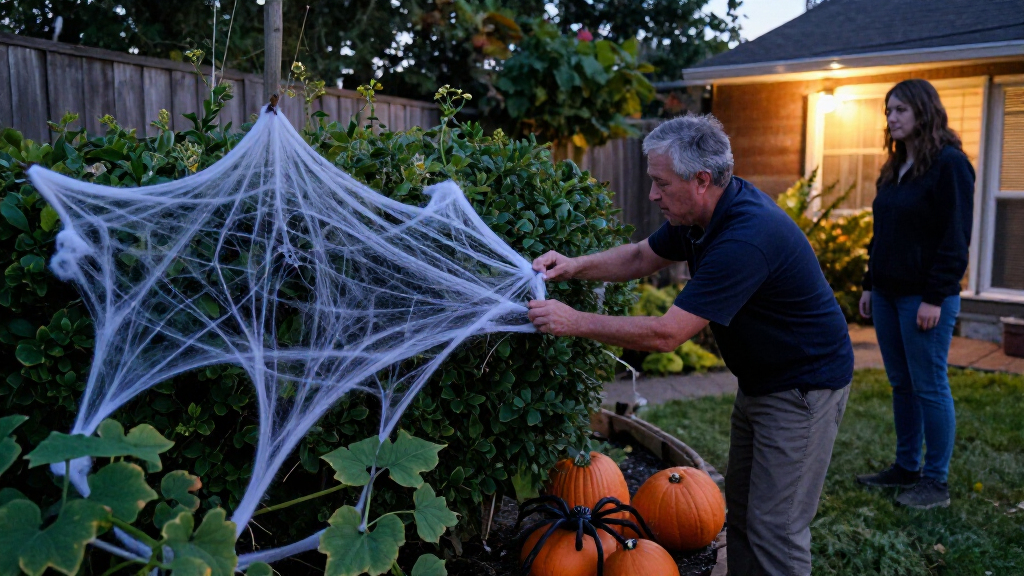
The report identifies stretchy cotton-style webbing and larger netted decorations as particular concerns when placed outside, including across hedges and shrubs. Latifi compared the risk to garden netting: openings can catch a head, wing or limb. Spray-on webbing is described as a lower entanglement risk after drying, but experts say it can still coat insects or remain in vegetation.
Experts also raised concerns about wildlife swallowing plastic fibres. Taylor said small animals may pick up the material, creating a risk of choking or an internal blockage. The report does not provide figures on how often animals are injured or how many cases have been recorded, so the scale of harm is not quantified.
How Outdoor Webbing Can Harm Wildlife
The warning matters because the decoration is designed to stretch and cling, while wildlife may encounter it during ordinary movement through gardens and hedges. Entanglement can restrict an animal’s movement and become tighter when it struggles; plastic material may also be swallowed. These risks extend beyond birds to bats, hedgehogs and other small animals.
The advice offers a practical way for households to reduce potential harm without giving up Halloween decorations: keep artificial webbing indoors and choose outdoor items made from solid materials rather than loose strings, ribbons or netting. The experts’ statements describe plausible hazards, but the source does not quantify the risk or report a specific incident linked to this year’s decorations.
Products Worth Considering

Philips Hue Festavia Permanent Outdoor String Lights, 80 Lights, 150 ft

iRobot Roomba Plus 405 Combo Vacuum and Mop Robot with AutoWash Dock

TCL 55-Inch F7D Series QLED 4K UHD Smart Fire TV (2026)
As an affiliate, we earn on qualifying purchases.
The Seasonal Decoration Warning
The warning was published in an Ideal Home report about Halloween garden decorations in 2026. It reflects concerns experts say recur around outdoor webbing, alongside attention to larger plastic mesh decorations. The report says these products can be left outdoors for extended periods, increasing the chance wildlife will encounter them.
For safer alternatives, Taylor recommended using fake web decorations indoors and selecting solid outdoor ornaments that do not contain plastic or loose, snagging materials. The report also advises bringing decorative pumpkins inside at night, citing Taylor’s warning that animals eating them may become unwell. It does not specify which animals are affected or provide details about the risks for particular pumpkin preparations.
“Wildlife can easily become caught in fake spider web decorations commonly used around Halloween, especially the artificial cobwebs.”
— Lucy Taylor, wildlife expert at Vine House Farm, as quoted by Ideal Home
The Scale of Wildlife Injuries
The report does not give data on the number of animals affected, identify a specific increase in injuries, or cite a study measuring the risk from different web products. Its warning is based on expert explanations of how synthetic fibres and netting may trap or be eaten by wildlife. The relative risk of each product type is also not quantified.
Advice on assisting an animal may depend on its condition and local rescue guidance. The experts recommend contacting a wildlife rescue or organisation such as the RSPCA before attempting to free an animal. The source does not provide a single procedure that applies to every species or situation.
Safer Decorating and Rescue Advice
People planning outdoor Halloween displays can opt for solid decorations and keep stretchy webbing indoors. If an animal is found tangled, Taylor advises contacting a local wildlife rescue or the RSPCA first rather than immediately trying to release it, since the animal may have injuries that are not visible.
If a rescue organisation advises someone to help, Latifi recommends staying calm, keeping distance initially and using thick gloves. He says not to pull at the strands because they could tighten; small blunt-ended scissors can be used to cut webbing away carefully. If the animal cannot be freed safely or appears injured, his advice is to place it in a ventilated box in a quiet location and call a rescue service again. Any remaining outdoor webbing should be removed after the animal has been handed over.
Key Questions
Which Halloween decorations are the main concern?
Experts quoted by Ideal Home particularly warn about stretchy cotton-style fake webbing and larger netted webs placed outdoors, including over hedges and shrubs.
Can fake spider webs be used indoors?
Lucy Taylor recommends using existing fake-web decorations indoors, where they are less likely to catch wildlife.
What should I do if an animal is tangled in fake webbing?
Contact a local wildlife rescue or the RSPCA for guidance before trying to free it. The animal may have injuries that are not immediately apparent.
What outdoor decorations do experts recommend?
The report recommends choosing solid decorations and avoiding loose ropes, ribbons, strings and other materials that could entangle animals.
Source: rss