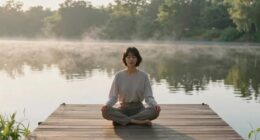
Engaging in forest bathing and outdoor mindfulness helps you connect deeply with nature, reducing stress and improving your overall well-being. By immersing yourself in natural sights and sounds, you can calm your mind, boost mental clarity, and foster emotional balance. These practices also inspire a greater appreciation for ecosystems and wildlife, encouraging you to act responsibly toward the environment. Keep exploring to discover how these simple activities can benefit both your health and the planet.
Key Takeaways
- Forest bathing and outdoor mindfulness promote relaxation, reduce stress, and improve overall mental and physical health through immersion in nature.
- Practicing outdoor mindfulness enhances awareness of natural sights, sounds, and smells, fostering a deeper connection with the environment.
- Engaging in forest therapy supports ecosystem appreciation, encouraging conservation efforts and environmental responsibility.
- These practices cultivate emotional balance, mental clarity, and mindfulness, contributing to holistic well-being.
- Connecting with wildlife and ecosystems through outdoor mindfulness reinforces the importance of preserving natural habitats for future generations.

Many people increasingly turn to nature therapy as a way to reduce stress and improve overall well-being. When you immerse yourself in natural settings, you tap into a powerful tool for mental clarity and emotional balance. One of the core practices within this approach is outdoor meditation, which allows you to center yourself amidst the soothing sounds and sights of nature. As you breathe in fresh air and focus on your surroundings, you may notice your mind becoming more calm and your body more relaxed. This practice doesn’t just benefit you; it also plays a role in supporting wildlife conservation. By spending time in natural environments, you develop a deeper appreciation for the ecosystems and creatures that inhabit them, fostering a sense of responsibility to protect these delicate habitats. Connecting with nature on a deeper level can also help you discover your inner wisdom and cultivate a more intuitive approach to life.
Outdoor meditation in natural settings encourages mindfulness, helping you stay present and fully engaged with the moment. As you sit quietly under a tree or near a stream, you become more aware of the subtle cues from your environment—the rustling leaves, the chirping birds, the scent of blooming flowers. This heightened awareness naturally cultivates a sense of connection with the world around you, reinforcing the importance of preserving wildlife and their habitats. When you take part in outdoor meditation regularly, you may find yourself more motivated to support conservation efforts, understanding that the health of ecosystems directly impacts your well-being.
Engaging in outdoor meditation often leads to a greater appreciation of the intricate balance of life in natural settings. As you observe wildlife—birds fluttering overhead, insects buzzing nearby—you begin to understand the significance of maintaining clean, safe, and thriving environments. This awareness can inspire you to advocate for wildlife conservation initiatives, whether through volunteering, donations, or simply spreading awareness among friends and family. Your personal experience with nature therapy deepens your understanding that protecting wildlife is not just about saving animals; it’s about safeguarding the ecosystems that sustain all life, including yours.
Incorporating outdoor meditation into your routine helps forge a stronger bond with nature. As you do, you’re helping to foster a mindset of stewardship and respect for the environment. This connection, in turn, nurtures a more sustainable approach to living, where conservation becomes a natural part of your lifestyle. By prioritizing these moments of mindful engagement with the outdoors, you contribute to the larger effort of conserving wildlife and ensuring that future generations can also experience the mental and physical benefits of nature therapy. Ultimately, your commitment to outdoor meditation and wildlife conservation creates a positive cycle that benefits both your health and the planet’s health.
Top picks for "nature therapy forest"
Open Amazon search results for this keyword.
As an affiliate, we earn on qualifying purchases.
Frequently Asked Questions
How Can Beginners Start Practicing Forest Bathing Effectively?
To start forest bathing effectively, follow beginner tips like choosing a nearby quiet spot and setting aside 20-30 minutes. Focus on mindfulness techniques such as deep breathing, noticing sounds, smells, and textures around you. Walk slowly, stay present, and avoid distractions like phones. By embracing these simple steps, you’ll deepen your connection with nature and experience calming benefits. Remember, consistency helps you get the most out of your outdoor mindfulness practice.
Are There Specific Times of Day That Are Best for Outdoor Mindfulness?
The best times for outdoor mindfulness are during the early morning or late afternoon, known as the ideal hours. During these periods, the environment is calmer, temperatures are milder, and natural light is softer, helping you relax and focus better. You’ll find it easier to connect with nature and your surroundings when you choose these times, making your mindfulness practice more effective and enjoyable.
What Equipment or Clothing Is Recommended for Outdoor Nature Therapy?
You’ll want your outdoor gear to be as reliable as a trusted friend. Wear comfortable clothing that suits the weather—think breathable fabrics for warmth or moisture-wicking layers for hot days. Pack hiking gear like sturdy shoes, a hat, sunglasses, and a lightweight backpack with essentials. Don’t forget a water bottle and insect repellent. This guarantees you stay comfortable, focused, and fully immersed in your outdoor mindfulness experience.
Can Nature Therapy Be Combined With Other Mental Health Treatments?
Yes, you can integrate therapy with other mental health treatments by combining nature therapy as a complementary treatment. It enhances your overall well-being, reduces stress, and improves mood alongside traditional therapies like counseling or medication. You should discuss this approach with your mental health professional to guarantee it’s suitable for your needs. Incorporating outdoor mindfulness into your routine can boost your progress and provide a holistic path to mental health.
How Long Should a Typical Forest Bathing Session Last for Benefits?
A forest bathing session is like a gentle river flowing through your senses, calming your mind. For ideal benefits, aim for a duration of about 2 hours, following the duration guidelines for outdoor mindfulness. This length allows you to disconnect from daily stressors and fully immerse yourself in nature’s tranquility. Remember, even shorter sessions of 30 to 60 minutes can also provide noticeable mental health benefits, making it adaptable to your schedule.
Conclusion
Embrace nature therapy and let the forest’s gentle whispers heal your soul. As you immerse yourself in outdoor mindfulness, you’ll find a serenity so profound it’s like touching the edge of eternity. Don’t underestimate the power of these simple moments; they can transform your entire outlook and restore your inner balance. Step outside, breathe deeply, and experience firsthand how nature’s embrace can rejuvenate your spirit more than you ever imagined possible.