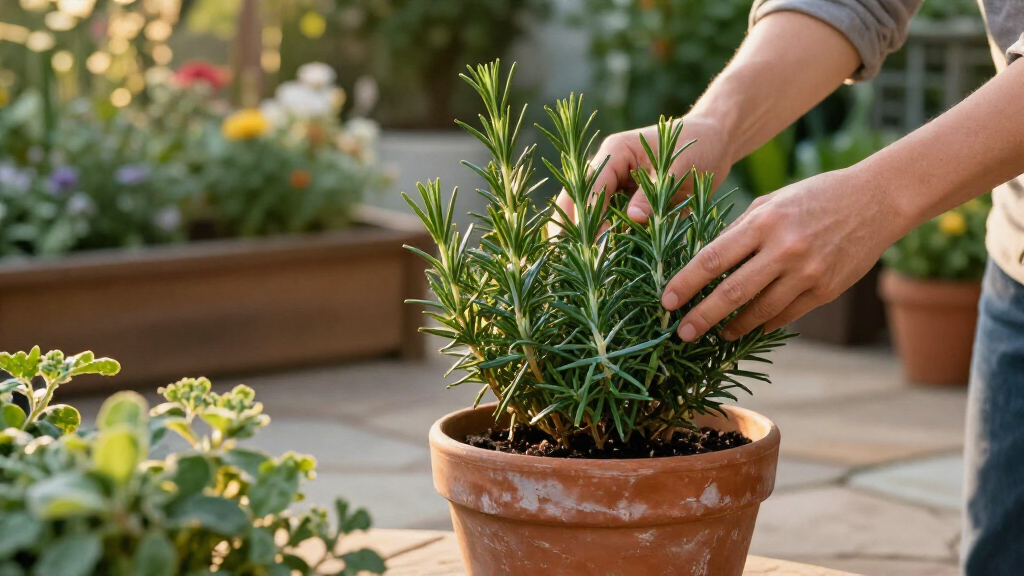
For gardeners seeking the best cold-hardy rosemary plants, my overall pick is the Arp Hardy Rosemary in a #1 container, which pairs the cold-tolerant ARP cultivar with a more established container format. The four-pack of ARP in 4-inch pots suits gardeners who want several plants for a hedge or grouped planting, while the two-pack of Bonnie rosemary offers a convenient alternative for a smaller herb garden. The main tradeoffs are cultivar information, plant size and quantity, and whether plants arrive potted or bare-root. Cold tolerance also depends on local winter conditions and drainage, so no plant listing can guarantee survival in every garden. Read on for the full comparison and guidance on choosing a format that fits your site.

Get garden gear delivered free with Prime
- Fast, free delivery on millions of items
- Prime Video, Amazon Music and more included
- Member-only deals all year
Complete the kit


Key Takeaways
- The ARP cultivar leads this comparison: Three listings explicitly name ARP, making them easier to evaluate for cold-hardiness intent than listings that identify the plants only as cold-hardy rosemary.
- The #1 container is the clearest single-plant choice: It offers a defined container size, while the smaller 3–6-inch listings require more patience before plants fill out.
- The four-pack favors coverage, not instant fullness: Four 4-inch pots give gardeners more planting positions, but they are not the same as buying one mature specimen.
- Plant count alone does not settle value: The three-plant and four-plant listings differ in stated pot or shipping format, so buyers should compare size and establishment needs as well as quantity.
- Shipping format affects planting work: The listing shipped without pots may need prompt planting and careful handling, while potted options are generally easier to hold temporarily.
| Two Cold-Hardy ARP Rosemary Plants, 3–6 Inches Tall |  | Best for a Small Cold-Hardy Trial | Plant type: ARP rosemary seedlings | Quantity: 2 plants | Height: 3–6 inches | VIEW LATEST PRICE | See Our Full Breakdown |
| Arp Hardy Rosemary Live Perennial Plant, #1 Container, Pale Purple Flowers |  | Best for a Landscape Specimen | Plant type: Perennial rosemary | Hardiness zones: USDA Zones 6–8 | Cold tolerance: Survives temperatures as low as 0°F | VIEW LATEST PRICE | See Our Full Breakdown |
| Bonnie Plants Rosemary Live Plants, 2-Pack, 2.32 qt. |  | Best for Mild-Winter Gardens | Brand: Bonnie Plants | Plant type: Herb | Plant form: Live plant | VIEW LATEST PRICE | See Our Full Breakdown |
| Rosemary ‘ARP’ Live Plants, 4-Inch Pots, Pack of 4 |  | Best Overall for Cold-Hardy Planting | Plant: Rosemarinus officinalis ‘ARP’ | Quantity: 4 live plants | Pot size: 4 inches | VIEW LATEST PRICE | See Our Full Breakdown |
| Set of 3 Cold-Hardy Rosemary Plants, 4–6 Inches Tall |  | Best Three-Plant Starter Set | Quantity: 3 live plants | Plant form: Rooted cutting | Arrival height: 4–6 inches | VIEW LATEST PRICE | See Our Full Breakdown |
| 2 Hardy Rosemary Plants, 3–6 Inches Tall, Shipped Without Pots |  | Best for a Small, Sunny Herb Garden | Quantity: 2 plants | Plant height: 3–6 inches | Sunlight exposure: Full sun, 6–8 hours | VIEW LATEST PRICE | See Our Full Breakdown |
| cold hardy rosemary plant | Quantity | Sunlight exposure | Plant type |
|---|---|---|---|
| Two Cold-Hardy ARP Rosemary Pl | 2 plants | — | ARP rosemary seedlings |
| Arp Hardy Rosemary Live Perenn | — | — | Perennial rosemary |
| Bonnie Plants Rosemary Live Pl | — | Full sun | Herb |
| Rosemary ‘ARP’ Live Plants | 4 live plants | Full sun | — |
| Set of 3 Cold-Hardy Rosemary P | 3 live plants | Full sun | — |
| 2 Hardy Rosemary Plants | 2 plants | Full sun, 6–8 hours | — |
More Details on Our Top Picks
Two Cold-Hardy ARP Rosemary Plants, 3–6 Inches Tall
For a gardener who wants to try ARP rosemary without committing to a larger planting, this pair keeps the starting quantity modest while retaining the cold-hardy variety focus. The seedlings are just 3–6 inches tall, so they need time and suitable conditions before providing much harvest or landscape presence. Unlike Rosemary ‘ARP’ Live Plants, 4-Inch Pots, Pack of 4, these arrive without pots and offer fewer plants, making them a less ready-to-transplant choice but a smaller planting to manage. The listing calls for 6–8 hours of full sun and light, well-draining soil; that sunny, free-draining spot is a firm requirement, not a fit for shaded or waterlogged gardens. Choose this set for a compact start, not instant coverage.
Pros:- ARP variety is specifically presented as cold-hardy
- Two plants provide a small-scale way to start a planting
- Foliage is suited to culinary use and fragrance
- Blue flowers add color as the plants mature
Cons:- Small seedlings will take time to establish and produce a useful harvest
- Ships without pots, so buyers need to prepare planting space
- Requires 6–8 hours of full sun
Best for: Gardeners in suitable cold-climate growing conditions who want to trial two young ARP rosemary plants in a sunny, well-drained bed.
Not ideal for: Buyers who need established, potted plants for quick planting, or gardeners without a spot receiving 6–8 hours of sun.
- Plant type:ARP rosemary seedlings
- Quantity:2 plants
- Height:3–6 inches
- Flower color:Blue
- Sunlight:6–8 hours of full sun
- Soil:Light, well-draining soil
- Shipping:Ships without pots
Our verdict“Pick this pair if you want a small, sunny-bed trial of cold-hardy ARP rosemary and can start with young, unpotted seedlings.”
Arp Hardy Rosemary Live Perennial Plant, #1 Container, Pale Purple Flowers
This rooted ARP perennial suits buyers who want rosemary to play a lasting role in the garden, not just supply kitchen cuttings. It can reach 3–6 feet over several seasons and is suited to a hedge or specimen position, while its pale purple summer flowers add ornamental interest. Its stated hardiness in USDA Zones 6–8 and cold tolerance to 0°F make its climate guidance more specific than the Zone 9–11 listing for the Set of 3 Cold-Hardy Rosemary Plants. The tradeoff is that it is one #1-container plant rather than a multi-plant starter set, and it needs good drainage. Winter shipments may arrive dormant and trimmed; shipping is also unavailable to several states, so check eligibility before choosing it.
Pros:- Specified as hardy in USDA Zones 6–8 and tolerant to 0°F
- Mature size supports use as a hedge or specimen plant
- Fragrant foliage and pale purple summer flowers add culinary and garden appeal
- Fully rooted plant arrives in a #1 container
Cons:- Requires good drainage to suit its growing needs
- May arrive dormant and trimmed when shipped from November 1 through March 1
- Shipping is unavailable to several states
Best for: Gardeners in USDA Zones 6–8 who want one rooted rosemary plant to grow into a hedge feature or substantial specimen.
Not ideal for: Buyers seeking several small plants at once, or residents of states excluded from shipping; skip it if the planting site has poor drainage.
- Plant type:Perennial rosemary
- Hardiness zones:USDA Zones 6–8
- Cold tolerance:Survives temperatures as low as 0°F
- Mature height:3–6 feet, up to 72 inches
- Flower color:Pale purple
- Blooming period:Summer
- Sunlight:Full sun to partial shade
- Container size:#1 container
- Spacing:36 inches
Our verdict“Choose this rooted ARP plant for a long-term landscape feature in an eligible Zone 6–8 garden with well-drained soil.”
Bonnie Plants Rosemary Live Plants, 2-Pack, 2.32 qt.
This two-pack is the more practical pick for buyers who value ready-to-grow culinary herbs over cold-climate hardiness. The plants can go in containers or the ground, and their upright, evergreen growth offers both kitchen use and garden structure. But the stated perennial range is USDA Zones 8–10, so it is a weaker match for colder sites than the Zone 6–8 Arp Hardy Rosemary Live Perennial Plant or the Zone 6–10 ARP four-pack. Its 2.32-quart containers offer a more established starting format than unpotted seedlings, though the listing does not identify this as the ARP cultivar. Full sun and well-drained soil remain necessary; drought tolerance is described as a trait that develops as the plants mature, not a reason to neglect young plants.
Pros:- Two live plants arrive in 2.32-quart containers
- Can be grown in containers or planted in the ground
- Evergreen aromatic foliage supports regular culinary use
- Becomes drought-tolerant as it matures
Cons:- Listed as perennial only in USDA Zones 8–10
- Full sun and well-drained soil are needed
- The listing does not specify the ARP cultivar
Best for: Cooks in USDA Zones 8–10 who want two container-ready rosemary plants for sunny patios, beds, or regular harvesting.
Not ideal for: Gardeners in colder zones seeking a specifically cold-hardy ARP variety, or anyone planting where soil stays wet.
- Brand:Bonnie Plants
- Plant type:Herb
- Plant form:Live plant
- Pack size:2
- Container size:2.32 qt.
- Sunlight exposure:Full sun
- Soil requirement:Well-drained soil
- Hardiness zones:USDA Zones 8–10
Our verdict“Choose this two-pack for culinary rosemary in a mild-winter Zone 8–10 garden, not as a first choice for colder climates.”
Rosemary ‘ARP’ Live Plants, 4-Inch Pots, Pack of 4
For buyers prioritizing cold hardiness and a useful planting quantity, this four-pack makes the strongest all-around case: it identifies the ARP cultivar, gives a stated range of USDA Zones 6–10, and specifies cold tolerance down to 0°F. The four 4-inch potted plants are more transplant-ready than the unpotted seedlings in Two Cold-Hardy ARP Rosemary Plants, though they still need room and time to reach the expected 28 inches. Full sun and well-draining soil are non-negotiable, and zones 5 and below call for moving container-grown plants indoors before frost. Compared with the single #1-container ARP specimen, this set favors planting several positions or building a small group over buying one larger landscape focal point. Its tradeoff is the need to provide four suitable sunny locations or containers.
Pros:- Four live ARP plants arrive in transplant-ready 4-inch pots
- Listed for USDA Zones 6–10, with cold tolerance down to 0°F
- Fragrant foliage can be used fresh or dried
- Drought-tolerant once established and spring-to-summer flowers attract pollinators
Cons:- Requires full sun and well-draining soil
- Four plants need adequate garden or container space
- In zones 5 and below, container plants need indoor shelter before the first frost
Best for: Gardeners in USDA Zones 6–10 who want several transplant-ready ARP plants for a sunny herb bed, border, or containers.
Not ideal for: Buyers with limited sunny space, or gardeners in Zone 5 and below who cannot move container plants indoors before frost.
- Plant:Rosemarinus officinalis ‘ARP’
- Quantity:4 live plants
- Pot size:4 inches
- USDA hardiness zones:6–10
- Cold hardiness:Down to 0°F
- Expected plant height:28 inches
- Sunlight exposure:Full sun
- Watering needs:Low
- Blooming period:Spring to summer
Our verdict“For a multi-plant ARP planting in a sunny Zone 6–10 garden, this is the clearest blend of specified cold hardiness and transplant-ready convenience.”
Set of 3 Cold-Hardy Rosemary Plants, 4–6 Inches Tall
This set supplies three rooted cuttings, a middle ground between the two unpotted seedlings in Two Cold-Hardy ARP Rosemary Plants and the four potted plants in Rosemary ‘ARP’ Live Plants, 4-Inch Pots, Pack of 4. Its 4–6-inch arrival height keeps it firmly in starter-plant territory, and pots are not included, so buyers should expect to plant or pot them after arrival. The listing calls the plants suitable for cooler climates, but its stated USDA Zone 9–11 range is milder than the Zone 6–8 guidance for Arp Hardy Rosemary Live Perennial Plant. That mismatch makes this a less certain choice for genuinely cold winters despite the title. Full sun, free-draining soil, and allowing the soil to dry between waterings suit gardeners comfortable tending young plants.
Pros:- Includes three rooted cuttings
- Can be planted in a garden or containers
- Full sun and low-to-moderate watering needs suit a relatively simple care routine
- Fragrant perennial herb with spring-to-summer blooming listed
Cons:- Stated hardiness is USDA Zones 9–11, limiting its fit for colder climates
- Arrives as small 4–6-inch starters rather than mature plants
- Pots are not included
Best for: Gardeners in USDA Zones 9–11 who want three small rooted rosemary cuttings for a sunny garden bed or containers they already own.
Not ideal for: Buyers in colder zones who need a clearly specified cold-hardy variety, or anyone wanting established, potted plants rather than small cuttings.
- Quantity:3 live plants
- Plant form:Rooted cutting
- Arrival height:4–6 inches
- Expected plant height:5 inches
- USDA hardiness zone:9–11
- Sunlight exposure:Full sun
- Soil type:Well-drained, sandy, or loamy
- Soil moisture:Low to moderate; allow soil to dry between waterings
- Pot included:No
Our verdict“Choose this three-plant set for a sunny Zone 9–11 garden, but favor the better-specified ARP options if winter cold is your main concern.”
2 Hardy Rosemary Plants, 3–6 Inches Tall, Shipped Without Pots
This pair suits gardeners who want to start with two fragrant rosemary seedlings rather than buy a larger set. At 3–6 inches tall, the plants are compact enough for a small bed or containers, though they will need time to fill out. Compared with the Set of 3 Cold-Hardy Rosemary Plants, this pack gives you one fewer plant, but may be a better fit when planting space is limited. The listing describes them as hardy, but gives no specific cold-tolerance temperature, so I would not treat the label as a guarantee for severe winters. They need 6–8 hours of full sun and moist soil while establishing. Because they arrive without pots, buyers need planting supplies ready, and the sunny-site requirement makes this a poor match for shaded gardens.
Pros:- Includes two fragrant rosemary seedlings for a small planting
- Compact 3–6-inch plants can fit in a bed or containers
- Suitable for culinary use
- Well-draining soil and basic moisture guidance are provided
Cons:- Ships without pots, so planting materials must be prepared separately
- Requires 6–8 hours of full sun
- No specific cold-tolerance temperature is listed
Best for: Gardeners with a sunny, space-limited herb bed who want two culinary rosemary seedlings and can provide well-draining soil.
Not ideal for: People gardening in partial shade, those who need larger established plants, or buyers seeking a clearly stated minimum winter temperature.
- Quantity:2 plants
- Plant height:3–6 inches
- Sunlight exposure:Full sun, 6–8 hours
- Soil:Light and well-draining
- Watering:Keep soil moist while growing
- Color:Green
- Brand:Moc Nursery
- Shipping:Without pots
Our verdict“Choose this pair for a compact, sunny herb garden if you are comfortable planting bare-root-style seedlings and do not need a stated winter-hardiness threshold.”
How We Picked
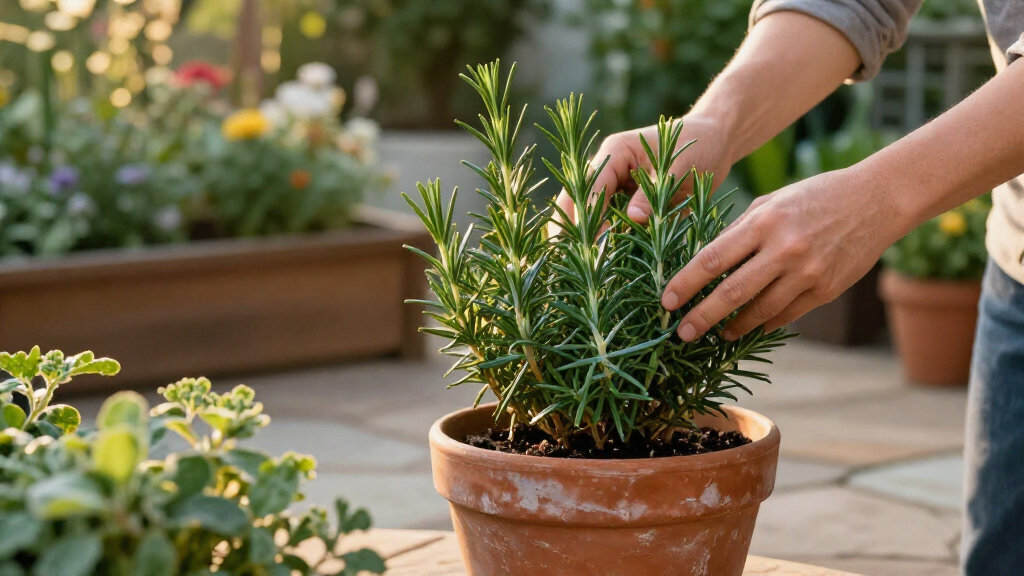
I ranked these options by how clearly they match the cold-hardiness search, how much useful information the listing provides, and how well the plant count and format suit common garden plans. Explicit identification as ARP counted in a product’s favor because it gives buyers a named cultivar to compare, while clear container details helped distinguish a more established plant from small starts. I also weighed whether each option makes sense for a single focal plant, a small herb garden, or a multi-plant border.
The order reflects clarity and practical fit, not a guarantee of winter survival. Plant size, pot format, and quantity can affect planting effort, but cold performance also depends on climate, drainage, exposure, and winter moisture. Listings with limited cultivar details rank behind those that specify ARP, and multi-packs are judged by their usefulness for coverage rather than treated as automatically better value. I do not infer hardiness-zone ratings or mature size where the product details do not provide them.
| cold hardy rosemary plant | Plant type | Sunlight exposure |
|---|---|---|
| Two Cold-Hardy ARP Rosemary Pl | ARP rosemary seedlings | — |
| Arp Hardy Rosemary Live Perenn | Perennial rosemary | — |
| Bonnie Plants Rosemary Live Pl | Herb | Full sun |
| Rosemary ‘ARP’ Live Plants | — | Full sun |
| Set of 3 Cold-Hardy Rosemary P | — | Full sun |
| 2 Hardy Rosemary Plants | — | Full sun, 6–8 hours |
Factors to Consider When Choosing Best Cold Hardy Rosemary Plants
Choosing rosemary for cold conditions takes more than finding the word “hardy” in a listing. I would compare the named cultivar, the plant’s starting size, and the way it ships, then match those details to the conditions in your garden. These broader checks can help prevent a promising plant from struggling after arrival.
Check the cultivar, not just the hardiness claim
A named cultivar gives you a more useful starting point than a broad label such as “cold-hardy rosemary.” In this roundup, several listings identify the plant as ARP, while the multi-plant listings with general cold-hardy wording offer less cultivar detail. Before ordering, check whether the seller states a hardiness range and whether it applies to an established plant or a young one. Treat broad claims cautiously if your winters bring prolonged freezing, wind, or wet soil. A named cultivar can guide your choice, but local growing conditions still shape the result. If the listing leaves key details unclear, ask the seller before relying on it as an outdoor perennial in a marginal climate.
Match plant size to your patience and planting plan
Small 3–6-inch starts can be easier to place and may suit gardeners willing to wait for a fuller plant. A larger container format may give a quicker visual presence, but it also needs a suitable planting hole and room to establish. Do not confuse a higher plant count with faster coverage: several small plants still need time to grow together. For a hedge or repeated border, map spacing before ordering so you do not crowd the roots. For a patio pot or kitchen garden, one well-positioned plant may be more practical than a multi-pack. Choose based on how soon you need the planting to look finished, not on quantity alone.
Use drainage as part of your winter-hardiness plan
Rosemary can struggle in cold weather when its roots sit in wet soil, so drainage deserves as much attention as the cultivar name. In heavy ground, consider a raised bed, a slope, or a container with open drainage holes rather than planting into a waterlogged spot. Avoid placing a plant where roof runoff collects or where winter melt repeatedly pools. A gravel layer at the bottom of a pot does not replace drainage holes and a free-draining potting mix. In colder regions, a sheltered site can reduce exposure to drying winds without trapping moisture around the roots. Good siting cannot change a plant’s hardiness, but it can remove a common source of winter stress.
Choose a shipping format you can manage on arrival
Potted plants are usually easier to hold briefly if weather or garden preparation delays planting. Plants shipped without pots may be lighter to transport, but bare-root or unpotted roots can be more sensitive to drying and should receive prompt attention. Read the listing and delivery instructions closely, since “without pots” does not by itself describe the condition of the root system. Plan to unpack the shipment quickly and have soil or a temporary container ready. If you are new to live-plant shipping, a clearly potted option may reduce handling uncertainty. Experienced gardeners with a prepared bed may be comfortable choosing a less finished format.
Decide whether you need a specimen or a group
One plant is often enough for a container, a small herb bed, or a trial in a colder part of the garden. A multi-pack makes more sense when you want repeated planting, a low border, or several plants in different microclimates. Buying several at once can also let you compare how each position performs, though it increases the amount of planting and care needed at the start. Avoid buying extra plants simply because the listing includes them; rosemary needs enough air and space as it grows. For a first attempt in a challenging climate, starting with fewer plants can limit losses and teach you which garden spots work. Expand the planting after you have observed a full winter.
Plan for winter protection without relying on it as a cure-all
Protection can help reduce wind exposure and temperature swings, but it cannot make every rosemary plant suitable for every climate. A sheltered position near a wall may provide a warmer microclimate, while a container can be moved to a protected area when severe cold is forecast. Containers also expose roots to colder temperatures than in-ground soil, so portability does not automatically make a potted plant safer. Avoid wrapping plants so tightly that moisture and poor airflow become persistent problems. Check local guidance for the cultivar and your area, then decide whether seasonal protection fits your routine. If protection would be difficult to provide every winter, choose a sheltered planting site and a cultivar with clearly stated cold-hardiness information.
Frequently Asked Questions
Which listing is the safest choice if I specifically want ARP rosemary?
I would start with one of the listings that explicitly names ARP, rather than choosing a product described only as cold-hardy rosemary. The #1 container suits someone seeking a single plant with a clearly stated container size, while the four-pack of 4-inch pots is better for several planting positions. The 3–6-inch ARP listing offers another option if you are comfortable starting with smaller plants. Compare the seller’s shipping and plant-size details before ordering, since the cultivar name alone does not tell you how established the plant will be. If cultivar identity is your priority, confirm it with the seller when the listing language is ambiguous.
Should I buy several small plants or one larger container plant?
Choose several small plants when you want a repeated border, multiple containers, or a few test locations in your garden. A larger container plant is a better fit when you want one established starting point and do not need broad coverage. Small plants may take longer to fill their space, while a larger plant can require more careful planting and room for its root ball. Before deciding, estimate the spacing and mature footprint recommended for the cultivar rather than planting close together for a quick visual effect. If your winter conditions are uncertain, a smaller initial order can be a sensible way to learn how rosemary fares at your site.
Can cold-hardy rosemary survive winter in a container?
It may, but a container usually exposes roots to colder conditions than surrounding garden soil, so the plant’s cultivar and your local winter both matter. A movable pot gives you the option of placing the plant in a sheltered location during severe weather, but it also needs drainage and should not sit in water. A large container generally buffers temperature changes better than a small one, though it is heavier to move. Check the cultivar’s stated hardiness and local growing advice before treating it as a permanent outdoor container plant. In especially cold areas, growing it in a pot that can be protected may be more practical than leaving it exposed all winter.
What should I do if my rosemary arrives without a pot?
Open the shipment promptly and follow the seller’s care instructions, paying close attention to whether the roots must stay moist or need immediate planting. Have a prepared bed or a temporary container ready so the plant is not left exposed while you decide where it belongs. Avoid letting roots dry out, but do not leave them sitting in standing water. If the ground is frozen or waterlogged, a temporary pot in a protected spot may be a better short-term solution until planting conditions improve. Contact the seller quickly if the roots or plant arrive damaged, since shipping-specific guidance can help you respond appropriately.
Is rosemary labeled cold-hardy safe to leave outside all winter?
No label can guarantee survival in every garden, because cold duration, wind, soil moisture, drainage, and plant establishment all affect winter outcomes. A young start may be more vulnerable than an established plant, and a wet site can cause trouble even where temperatures are within a cultivar’s stated range. Look for specific cultivar and hardiness information rather than relying on the phrase “cold-hardy” alone. Give the plant a well-drained, sheltered location and follow local advice for winter protection. If your climate falls outside the stated range or the listing provides no range, consider a movable container or a protected growing space.
Conclusion
For most gardeners choosing among these listings, I would make the ARP plant in a #1 container my best overall pick because it names the cultivar and gives a clear container format. The three-plant cold-hardy set is my best value direction for gardeners prioritizing quantity, while the four-pack of ARP in 4-inch pots is the best premium-style choice for a planned multi-plant layout with a specified cultivar. Beginners may prefer a clearly potted option, such as the #1 container or the Bonnie Plants two-pack, over plants shipped without pots. For a hedge or several planting spots, choose the ARP four-pack; for a small garden or a first trial, start with one or two plants. Whichever you select, match the cultivar to local winter conditions and prioritize drainage before planting.