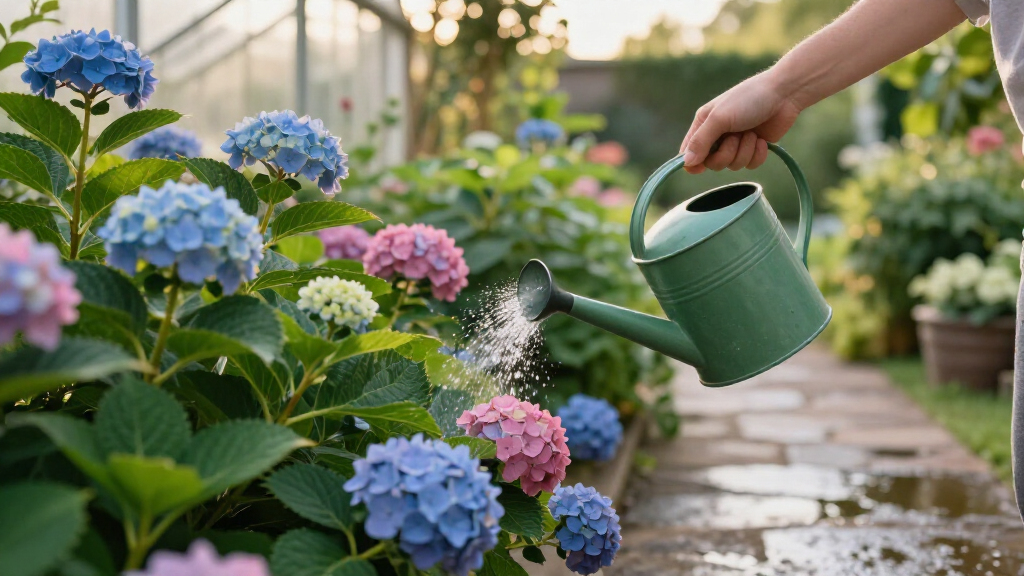

The best hydrangea plants balance the flower style you want with a growth habit and care routine that suit your garden. My best overall pick is Endless Summer BloomStruck for its reblooming bigleaf flowers, while Limelight stands out for panicle blooms and Fairytrail Bride for its cascading form. The main tradeoffs are mature size, whether the plant blooms on old or new growth, and the patience required when buying a small starter. Read on for how all 12 options compare and which one fits your space.

Get garden gear delivered free with Prime
- Fast, free delivery on millions of items
- Prime Video, Amazon Music and more included
- Member-only deals all year
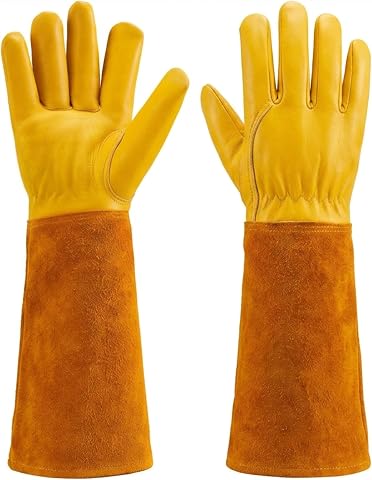
Complete the kit


Key Takeaways
- BloomStruck is the most versatile choice in this group: it appears in several sizes and forms, so compare the specific listing and pot size before choosing.
- Limelight and Vanilla Strawberry offer panicle-style flowers, a different look from the rounded mophead blooms of the bigleaf options.
- Small quart and starter plants cost you time in the garden: the 4–14-inch listings need more growing seasons to make a strong display than the 2- and 3-gallon shrubs.
- Fairytrail Bride earns a distinct spot for its cascading habit, but that shape suits a different planting plan than upright shrubs.
- The best match depends on more than bloom color: hardiness, sunlight, mature dimensions, pruning needs, and the seller’s plant-size details all affect success.
| Live French Hydrangea Macrophylla Starter Plant, 4–6 Inches Tall |  | Best Budget Starter Pick | Plant type: French hydrangea (Hydrangea macrophylla) | Height at shipment: 4–6 inches | Bloom period: Spring to summer | VIEW LATEST PRICE | See Our Full Breakdown |
| Endless Summer BloomStruck Hydrangea Live Plant, 3-Gallon Pot |  | Best Overall | Plant type: Perennial reblooming shrub | Flower type: Mophead, up to 8 inches across | Flower color: Pink and purple; varies with soil pH | VIEW LATEST PRICE | See Our Full Breakdown |
| Proven Winners Let’s Dance Skyview Hydrangea Shrub, 2 Gal. |  | Best for Small Spaces and Cold Climates | Plant type: Deciduous hydrangea shrub | USDA hardiness zones: 4–9 | Mature size: 24–36 inches tall, 24–48 inches wide | VIEW LATEST PRICE | See Our Full Breakdown |
| First Editions Vanilla Strawberry Hydrangea Shrub, 3-Gallon |  | Best Statement Plant | Botanical name: Hydrangea paniculata ‘Renhy’ PP20,670 | USDA hardiness zones: 3–8 | Mature size: 72–96 inches tall, 60–72 inches wide | VIEW LATEST PRICE | See Our Full Breakdown |
| Pink and White Hydrangea Live Plant, 5–9 Inches Tall |  | Best for Indoor Growing | Plant type: Perennial hydrangea shrub | Height at shipment: 5–9 inches | Mature height: 3–6 feet | VIEW LATEST PRICE | See Our Full Breakdown |
| Endless Summer BloomStruck Reblooming Hydrangea Shrub, Purple, #2 Container |  | Best for Reblooming Color in a Compact Bed | Plant type: Reblooming hydrangea shrub | Flower color: Pink and violet | Stem color: Red | VIEW LATEST PRICE | See Our Full Breakdown |
| Limelight Hydrangea Live Plant, 6–10 Inches Tall in Quart Pot |  | Best for Broad Climate Range | Plant type: Hydrangea | Quantity: 1 live plant | Height: 6–10 in. | VIEW LATEST PRICE | See Our Full Breakdown |
| Endless Summer BloomStruck Bigleaf Hydrangea Live Shrub, 3 Gallon |  | Best for Large, Color-Shifting Blooms | Botanical name: Hydrangea macrophylla ‘PIIHM-II’ (PP# 25566) | Plant type: Deciduous flowering shrub | Container size: 3 gallons | VIEW LATEST PRICE | See Our Full Breakdown |
| First Editions Spring Sizzle Panicle Hydrangea Shrub, 2 Gal. |  | Best for Dramatic Seasonal Color | Botanical name: Hydrangea paniculata ‘Bailpanthree’ PPAF | Plant type: Deciduous shrub | Mature size: 4–6 ft. tall × 4–5 ft. wide | VIEW LATEST PRICE | See Our Full Breakdown |
| Fire Hydrangea Live Plant, 8–14 Inches Tall in Quart Pot |  | Best Compact Pick for Beds and Containers | Plant type: Flowering shrub | Plant height: 8–14 in. | Container: Quart pot | VIEW LATEST PRICE | See Our Full Breakdown |
| First Editions Eclipse Bigleaf Hydrangea Live Plant, Full Gallon Pot |  | Best for Dark Foliage | Plant type: Bigleaf hydrangea (Hydrangea macrophylla ‘Bailmacseven’) | Pot size: Full gallon | Mature size: 3–5 feet tall and 3–5 feet wide | VIEW LATEST PRICE | See Our Full Breakdown |
| Proven Winners Fairytrail Bride Cascade Hydrangea Shrub, 2 Gallon |  | Best for Trailing Containers | Brand: Proven Winners | Plant type: Cascade hydrangea shrub | Pot size: 2 gallons | VIEW LATEST PRICE | See Our Full Breakdown |
| hydrangea plant | Plant type | Mature size | Sun exposure | USDA hardiness zones |
|---|---|---|---|---|
| Live French Hydrangea Macrophy | French hydrangea (Hydrangea macrophylla) | — | Full sun (afternoon shade recommended) | 6–9 |
| Endless Summer BloomStruck Hyd | Perennial reblooming shrub | 3–6 feet tall and wide | Partial shade to full sun | 5–9 |
| Proven Winners Let’s Dance Sky | Deciduous hydrangea shrub | 24–36 inches tall, 24–48 inches wide | Full sun to partial shade | 4–9 |
| First Editions Vanilla Strawbe | — | 72–96 inches tall, 60–72 inches wide | Full sun to partial shade | 3–8 |
| Pink and White Hydrangea Live | Perennial hydrangea shrub | — | Full sun | 5–9 |
| Endless Summer BloomStruck Reb | Reblooming hydrangea shrub | 3–4 ft. tall × 3–4 ft. wide | — | — |
| Limelight Hydrangea Live Plant | Hydrangea | — | — | 3–9 |
| Endless Summer BloomStruck Big | Deciduous flowering shrub | 3–4 ft. tall × 4–5 ft. wide | — | — |
| First Editions Spring Sizzle P | Deciduous shrub | 4–6 ft. tall × 4–5 ft. wide | — | — |
| Fire Hydrangea Live Plant | Flowering shrub | — | — | 5–9 |
| First Editions Eclipse Bigleaf | Bigleaf hydrangea (Hydrangea macrophylla ‘Bailmacseven’) | 3–5 feet tall and 3–5 feet wide | Morning sun to partial or full shade | — |
| Proven Winners Fairytrail Brid | Cascade hydrangea shrub | 48 inches wide × 48 inches high | Full sun to part shade | — |
More Details on Our Top Picks
Live French Hydrangea Macrophylla Starter Plant, 4–6 Inches Tall
For gardeners who want the classic bigleaf mophead look without paying for a mature shrub, this starter plant is the cheapest entry point in the lineup. At just 4–6 inches tall, it arrives well-rooted but tiny, so expect a season or two of patience before you get the payoff blooms that the Endless Summer BloomStruck delivers out of a 3-gallon pot. The fun here is the pH-dependent color shift — acid soil pushes blooms toward blue, alkaline soil toward pink — which makes it a good pick for experimenting with soil chemistry. The listing mixes signals, though: it says full sun while recommending afternoon shade, so placement in hot climates needs care. Compared with the Pink and White hydrangea from Ella’s Homes, this one at least arrives in soil, giving it a better survival odds out of the box.
Pros:- Low-cost entry into bigleaf hydrangeas
- Well-rooted starter establishes reliably
- Mophead blooms shift between blue and pink with soil pH
- Suits zones 6–9 for a wide geographic range
Cons:- Years away from mature size and full flower display
- Conflicting light guidance — full sun listing contradicts the afternoon-shade recommendation
Best for: Patient gardeners on a budget who enjoy growing plants from small starts and want to experiment with soil-pH color changes
Not ideal for: Anyone wanting blooms this season — a 4–6 inch starter will need a full growing season or more before it flowers meaningfully
- Plant type:French hydrangea (Hydrangea macrophylla)
- Height at shipment:4–6 inches
- Bloom period:Spring to summer
- Sun exposure:Full sun (afternoon shade recommended)
- USDA hardiness zones:6–9
- Moisture needs:Regular watering
- Brand:GINGERGLOW
Our verdict“A smart buy for hands-on gardeners willing to trade instant gratification for a low price and color-shifting blooms.”
Endless Summer BloomStruck Hydrangea Live Plant, 3-Gallon Pot
This is the pick I’d point most buyers toward, because it solves the biggest frustration in hydrangea growing: a short bloom window. BloomStruck flowers on both old and new wood, so it reblooms from early summer straight through fall — something the French macrophylla starter and the Vanilla Strawberry can’t match in duration. The 3-gallon pot size means you’re buying a near-established shrub, not a gamble, and flowers reach up to 8 inches across. It’s also more cold-tolerant than the macrophylla starter, handling zone 5 winters. The tradeoffs are real: it demands consistent moisture (expect to water frequently in summer heat), color is unpredictable until you know your soil pH, and at 3–6 feet in every direction it will outgrow a small patio container within a couple of seasons.
Pros:- Reblooms from early summer through fall
- Flowers on both old and new wood, protecting against late frost loss
- Large mopheads up to 8 inches across
- Established 3-gallon plant flowers sooner than starter-size options
Cons:- Needs consistent moisture — wilts fast in summer heat
- Mature size of 3–6 feet tall and wide demands serious garden space
Best for: Gardeners in zones 5–9 who want the longest possible bloom season and a plant large enough to make an impact in year one
Not ideal for: Container gardeners with limited space — a mature 6-foot spread makes long-term pot culture impractical without serious pruning
- Plant type:Perennial reblooming shrub
- Flower type:Mophead, up to 8 inches across
- Flower color:Pink and purple; varies with soil pH
- Bloom period:Early summer through fall
- Mature size:3–6 feet tall and wide
- Sun exposure:Partial shade to full sun
- USDA hardiness zones:5–9
- Pot size:3 gallons
Our verdict“The best all-around choice for a reliable, season-long hydrangea display — if you can commit to watering and give it room.”
Proven Winners Let’s Dance Skyview Hydrangea Shrub, 2 Gal.
Where the Vanilla Strawberry grows into a 6–8 foot giant and BloomStruck can match it in spread, the Let’s Dance Skyview stays a manageable 24–36 inches tall, which makes it the practical choice for foundation plantings, smaller beds, and containers that won’t be outgrown. Its zone 4–9 hardiness range is the widest of any bigleaf-style option here, so northern gardeners who can’t reliably grow the French macrophylla starter (zone 6 minimum) get a genuine alternative. The main thing to know before ordering: it ships dormant with no foliage from winter through early spring, and may arrive trimmed. That’s normal, but if you open the box expecting a leafy green shrub, you’ll be disappointed. Compared with the 3-gallon BloomStruck, the 2-gallon size is a step down in immediate visual impact but a step up in placement flexibility.
Pros:- Compact 24–36 inch mature height fits small beds and containers
- Hardy down to zone 4 — wider cold range than most bigleaf types
- Works in full sun or partial shade
- Reputable Proven Winners breeding line
Cons:- Ships dormant and possibly trimmed — looks unimpressive out of the box
- Smaller mature size means less dramatic landscape impact than larger varieties
Best for: Gardeners in cold zones (4–5) or anyone with limited space who needs a compact, tidy hydrangea for borders or containers
Not ideal for: Gift-givers or impatient buyers expecting a lush, leafy plant on arrival — dormant winter shipping means a bare-looking shrub at first
- Plant type:Deciduous hydrangea shrub
- USDA hardiness zones:4–9
- Mature size:24–36 inches tall, 24–48 inches wide
- Sun exposure:Full sun to partial shade
- Container size:2 gallons
- Shipping height:10–14 inches
- Shipping condition:Dormant, no foliage in winter through early spring
Our verdict“The go-to compact hydrangea for cold-climate gardeners and tight spaces where a 6-foot shrub would be a problem.”
First Editions Vanilla Strawberry Hydrangea Shrub, 3-Gallon
If your goal is a landscape focal point rather than a tidy accent, this panicle hydrangea plays in a different league than everything else here. At 6–8 feet tall and 5–6 feet wide, it dwarfs the Let’s Dance Skyview and rivals the BloomStruck at the top of its range. Its signature trick is the season-long color transition — flower heads open creamy white, then shift to pink and strawberry red from midsummer into fall — and unlike the pH-dependent macrophyllas, this color change happens reliably regardless of your soil. The blooms also dry beautifully for indoor arrangements, a use the BloomStruck doesn’t serve as well. Hardiness down to zone 3 makes it the toughest plant in the roundup. Just know what you’re signing up for: it’s a big commitment in garden space, it drops all foliage in winter, and it ships dormant in the cold months.
Pros:- Flowers shift from white to pink to strawberry red without needing soil pH manipulation
- Hardy to zone 3 — the coldest tolerance in the lineup
- Blooms work fresh or dried for arrangements
- Substantial 3-gallon plant makes an immediate landscape statement
Cons:- Very large mature size demands serious garden real estate
- Ships dormant without foliage in winter through early spring
Best for: Gardeners with ample space in zones 3–8 who want a large, dramatic shrub with reliable color change and cut-and-dried flowers
Not ideal for: Small yards or container gardeners — a mature 6–8 foot shrub will overwhelm a patio pot and crowd narrow beds
- Botanical name:Hydrangea paniculata ‘Renhy’ PP20,670
- USDA hardiness zones:3–8
- Mature size:72–96 inches tall, 60–72 inches wide
- Bloom period:Midsummer to fall
- Flower colors:Creamy white, pink, and strawberry red
- Sun exposure:Full sun to partial shade
- Container size:3 gallons
Our verdict“The pick for a bold, reliable backbone shrub — skip it if you don’t have room for something this big.”
Pink and White Hydrangea Live Plant, 5–9 Inches Tall
This is the only plant in the batch that’s explicitly positioned for indoor or outdoor growing, which gives it a distinct niche — no other option here lets you keep a hydrangea on a bright windowsill or sunroom through the cold months. It ships at 5–9 inches, so like the French macrophylla starter it’s a patience play rather than an instant-gratification purchase, but it eventually reaches 3–6 feet, similar in scale to BloomStruck. The big catch: it arrives bareroot, with no pot included, which means you need potting soil and a container ready on day one, and the plant has a shorter window to get established before stress sets in. It may also arrive dormant in winter, so expect a bare stick rather than a blooming shrub. For the price and flexibility, it works — but it demands more immediate care than the potted alternatives.
Pros:- One of the few hydrangeas suited to indoor growing
- Works in garden borders or patio containers
- Long-lasting blooms that may shift in color
- Cold hardy in zones 5–9
Cons:- Ships bareroot with no pot — requires immediate potting and extra care
- Small 5–9 inch size means a long wait for mature blooms
Best for: Gardeners who want to grow a hydrangea indoors or overwinter one in a container, and don’t mind potting it up on arrival
Not ideal for: Beginners or gift recipients — a bareroot plant with no pot and possible dormancy needs prompt, knowledgeable handling to survive
- Plant type:Perennial hydrangea shrub
- Height at shipment:5–9 inches
- Mature height:3–6 feet
- Color:Pink and white
- Sun exposure:Full sun
- USDA hardiness zones:5–9
- Pot included:No
- Brand:ELLA’S HOMES
Our verdict“A niche pick for indoor growers and patient container gardeners who can handle a bareroot plant on day one.”
Endless Summer BloomStruck Reblooming Hydrangea Shrub, Purple, #2 Container
Repeat blooms and red stems give this BloomStruck a distinct appeal among the lineup. It grows 3–4 feet tall and wide, so it fits smaller beds more readily than First Editions Spring Sizzle, which can reach 6 feet. Its pink and violet flowers and ability to grow in sunny or shady areas give gardeners some flexibility, while the included planting and care instructions help with getting a rooted shrub established.
The tradeoff is that flower color may vary with growing conditions, and the listed hardiness range is narrower than the zone 3–9 range for the quart-pot Limelight. This plant may also arrive dormant without leaves in late fall or winter, so its appearance on delivery can be misleading. Choose it for a compact, reblooming shrub; skip it if you need a reliably leafy arrival in winter or garden outside zones 4–8.
Pros:- Rooted shrub is ready to plant
- Pink and violet flowers can rebloom
- Grows in sunny or shady areas
- Planting and care instructions are included
Cons:- May arrive dormant without leaves in late fall or winter
- Hardiness is limited to zones 4–8
- Moderate watering is needed
Best for: Gardeners in zones 4–8 who want a rooted, compact hydrangea with repeat pink and violet blooms for a small bed.
Not ideal for: Gardeners outside zones 4–8 or anyone expecting leafy growth on arrival during late fall or winter.
- Plant type:Reblooming hydrangea shrub
- Flower color:Pink and violet
- Stem color:Red
- Mature size:3–4 ft. tall × 3–4 ft. wide
- Hardiness zones:4–8
- Sunlight:Full sun; grows in sunny or shady areas
- Soil and watering:Loam; moderate watering
- Container size:#2
Our verdict“Choose BloomStruck for a compact, reblooming shrub in zones 4–8, provided seasonal dormancy on arrival will not concern you.”
Limelight Hydrangea Live Plant, 6–10 Inches Tall in Quart Pot
Zone range is this Limelight’s clearest advantage: its listed USDA zones 3–9 cover more climates than the BloomStruck Reblooming Hydrangea’s zones 4–8. That makes it a flexible choice for gardeners whose main constraint is winter hardiness. The 6–10-inch plant arrives ready to transplant, and its showy clusters and lush foliage suit borders, foundation plantings, mixed beds, or an outdoor container.
The listing provides less detail on mature size and flower color than First Editions Spring Sizzle, whose white blooms deepen to red. This Limelight also calls for full sun and regular watering, so it is a less suitable fit for a dry garden or a shaded spot. Bloom timing may vary by variety, too. Pick it for zone flexibility and several planting uses; skip it if you want precise size or color expectations before planting.
Pros:- Hardy across USDA zones 3–9
- Ready to transplant
- Showy flower clusters and lush foliage
- Suited to borders, foundation plantings, mixed beds, and containers
Cons:- Needs regular watering
- Requires full sun for its listed exposure
- Bloom timing may vary by variety
Best for: Gardeners in zones 3–9 seeking a transplant-ready hydrangea for a sunny border, foundation planting, or mixed bed.
Not ideal for: Gardeners with dry, low-maintenance sites or buyers who need a clearly specified mature size and flower-color progression.
- Plant type:Hydrangea
- Quantity:1 live plant
- Height:6–10 in.
- Pot size:Quart
- Bloom period:Spring to summer
- Sunlight:Full sun
- USDA hardiness zones:3–9
- Moisture needs:Regular watering
Our verdict“Choose this Limelight for broad zone coverage and flexible garden placement if you can provide full sun and regular water.”
Endless Summer BloomStruck Bigleaf Hydrangea Live Shrub, 3 Gallon
Large mophead blooms and a three-gallon container make this the more established BloomStruck option in the group. Its flowers can appear pink, violet, or blue-purple depending on soil pH, adding a color variable that the white-to-red First Editions Spring Sizzle does not offer. Blooming from summer into fall, it also extends color later in the season than the listed spring-to-summer timing for the quart-pot Fire Hydrangea.
That color range is not a guarantee of a chosen shade: soil pH influences the result. The shrub prefers moist, well-drained soil and partial sun, and its 4–5-foot width takes more room than the 3–4-foot-wide #2 BloomStruck Reblooming Hydrangea. Shipping is unavailable to several states, so location can rule it out before its garden fit matters. Choose it when you want a fuller shrub and adaptable bloom color; skip it for a tight space or excluded shipping destination.
Pros:- Large mophead blooms in pink, violet, or blue-purple tones
- Flowers from summer into fall
- Three-gallon container
- Compact height suits beds or containers
Cons:- Bloom color depends on soil pH
- Needs moist, well-drained soil and partial sun
- Not shipped to several states
Best for: Gardeners with room for a 4–5-foot-wide shrub who want large, late-season blooms whose color varies with soil pH.
Not ideal for: Gardeners with narrow beds or those in states where this plant is not shipped.
- Botanical name:Hydrangea macrophylla ‘PIIHM-II’ (PP# 25566)
- Plant type:Deciduous flowering shrub
- Container size:3 gallons
- Bloom color:Pink, violet, or blue-purple, depending on soil pH
- Bloom season:Summer to fall
- Mature size:3–4 ft. tall × 4–5 ft. wide
- Hardiness zones:4–9
- Light and soil:Partial sun; moist, well-drained soil
Our verdict“Choose this BloomStruck for a fuller shrub with summer-to-fall color if you have the space and accept soil-dependent flower shades.”
First Editions Spring Sizzle Panicle Hydrangea Shrub, 2 Gal.
White flowers that deepen to red give Spring Sizzle the most defined seasonal color change in this group. Unlike the BloomStruck Bigleaf Hydrangea, whose pink, violet, or blue-purple shade depends on soil pH, this panicle hydrangea is described as progressing from white to deep red. Its sturdy stems help keep blooms upright, and the plant can serve as a hedge, foundation planting, container specimen, or landscape accent.
It is also listed for zones 3–8, reaching farther into colder climates than either BloomStruck option. The cost of that larger landscape presence is space: at 4–6 feet tall and 4–5 feet wide, it is substantially bigger than the compact #2 BloomStruck. Its average shipping height is 12–18 inches, and it may ship dormant or trimmed. Choose Spring Sizzle for a larger shrub and a clear bloom-color progression; skip it for a very small bed.
Pros:- Early summer flowers deepen from white to deep red
- Sturdy stems help keep blooms upright
- Hardy in USDA zones 3–8
- Works in hedges, foundation plantings, containers, and landscapes
Cons:- Mature size needs a substantial planting area
- May ship dormant without foliage in winter through early spring
- Plants may be trimmed before shipping
Best for: Gardeners in zones 3–8 who want a medium-to-large panicle hydrangea with flowers that mature from white to deep red.
Not ideal for: Gardeners with limited planting space or anyone expecting a full-sized, leafy shrub immediately on delivery.
- Botanical name:Hydrangea paniculata ‘Bailpanthree’ PPAF
- Plant type:Deciduous shrub
- Mature size:4–6 ft. tall × 4–5 ft. wide
- Sunlight:Full sun to part shade
- Hardiness zones:USDA zones 3–8
- Bloom color:White, maturing to deep red
- Recommended spacing:36 in.
- Container and shipping height:2 gal.; average shipping height 12–18 in.
Our verdict“Choose Spring Sizzle for a larger, cold-hardy shrub with a distinctive white-to-red bloom progression if you have room for its mature spread.”
Fire Hydrangea Live Plant, 8–14 Inches Tall in Quart Pot
Compact shipping size and flexible placement make Fire a practical candidate for a border or container, with an 8–14-inch plant in a quart pot. It is listed for USDA zones 5–9 and can grow in beds, borders, or containers. Compared with First Editions Spring Sizzle, which matures as a 4–6-foot panicle shrub, this listing emphasizes a smaller starting plant and container use rather than a large landscape feature.
The tradeoff is a demanding moisture requirement: the listing calls for constant watering, which is more involved than the moderate watering listed for the #2 BloomStruck Reblooming Hydrangea. Fire’s red and pink blooms may also vary with soil conditions, and the provided exposure information is limited to partial shade. Choose it if you can keep a compact plant consistently watered; skip it for a dry site or a garden where watering is occasional.
Pros:- Suitable for beds, borders, and containers
- Listed for USDA zones 5–9
- Pink and red bloom tones
- Compact quart-pot plant is suited to smaller placements
Cons:- Requires constant watering
- Bloom color can vary with soil conditions
- Mature height and spread are not specified
Best for: Gardeners in zones 5–9 who want a small hydrangea for a partially shaded border or container and can water consistently.
Not ideal for: Gardeners with dry beds, infrequent watering routines, or a need for a clearly specified mature size.
- Plant type:Flowering shrub
- Plant height:8–14 in.
- Container:Quart pot
- USDA hardiness zones:5–9
- Sunlight:Partial shade
- Bloom period:Spring to summer
- Bloom colors:Pink and red; may vary with soil conditions
- Moisture needs:Constant watering
Our verdict“Choose Fire for a small, container-friendly hydrangea if you can provide steady moisture and are comfortable with variable bloom color.”
First Editions Eclipse Bigleaf Hydrangea Live Plant, Full Gallon Pot
The First Editions Eclipse Bigleaf Hydrangea earns its place for gardeners who want foliage to make a statement even when blooms are absent. Its dark purple leaves set it apart from the white-flowering Proven Winners Fairytrail Bride, while its amethyst or cranberry blooms add a second color accent when flowering conditions cooperate. At 3–5 feet tall and wide, it can anchor a garden bed or serve as a substantial container focal point. That size and color impact come with a tradeoff: it needs regular watering, and flowers are not guaranteed when it arrives. Plants may also ship dormant from November through April, so buyers in that window should expect a resting plant rather than immediate foliage or blooms. Choose this one for foliage contrast; choose Fairytrail Bride for a trailing shape and white summer flowers.
Pros:- Dark purple foliage provides strong color contrast beyond the bloom season
- Amethyst or cranberry-colored blooms add a distinctive accent
- Works in garden beds or decorative containers
- Hardy in USDA zones 5–9
Cons:- Flowers are not guaranteed at purchase
- May arrive dormant from November through April
- Requires regular watering
Best for: Gardeners in zones 5–9 who want a medium-sized hydrangea with dark foliage for a focal planting or large decorative container.
Not ideal for: Buyers who need flowers at arrival, prefer a trailing plant, or cannot provide regular watering.
- Plant type:Bigleaf hydrangea (Hydrangea macrophylla ‘Bailmacseven’)
- Pot size:Full gallon
- Mature size:3–5 feet tall and 3–5 feet wide
- Sun exposure:Morning sun to partial or full shade
- Hardiness zones:5–9
- Expected blooming period:Spring to fall
- Watering:Regular
Our verdict“Pick Eclipse for dark foliage and a substantial garden or container focal point, provided you can water regularly and accept uncertain blooms at arrival.”
Proven Winners Fairytrail Bride Cascade Hydrangea Shrub, 2 Gallon
Proven Winners Fairytrail Bride is the standout for gardeners who want a hydrangea to spill across a container edge, hanging basket, or retaining wall. Its horizontal, trailing habit gives it a different job from First Editions Eclipse, which grows as a 3–5-foot upright focal plant with dark foliage. Fairytrail Bride instead pairs white summer flowers with a cascading outline, and deadheading is not necessary. Its 2-gallon pot gives buyers a larger starting plant than the quart-pot Limelight Hydrangea, though the listed mature dimensions of 48 inches wide by 48 inches high still call for room to spread. The main tradeoffs are regular watering and a narrower hardiness range of zones 6–9. It may also ship dormant in winter through early spring, without foliage.
Pros:- Trailing growth suits containers, hanging baskets, and retaining walls
- Long summer bloom period adds seasonal color
- Deadheading is not necessary
- Can grow in full sun to part shade
Cons:- Hardy only in USDA zones 6–9
- Requires regular watering
- May ship dormant without foliage in winter through early spring
Best for: Gardeners in zones 6–9 who want a cascading white-flowering hydrangea for a hanging basket, large container, mixed bed, or retaining wall.
Not ideal for: Gardeners in zones colder than 6, or anyone seeking a compact upright shrub or foliage at winter delivery.
- Brand:Proven Winners
- Plant type:Cascade hydrangea shrub
- Pot size:2 gallons
- Flower color:White
- Mature size:48 inches wide × 48 inches high
- Sun exposure:Full sun to part shade
- Hardiness zones:6–9
- Expected bloom period:Summer
Our verdict“Choose Fairytrail Bride when you have room for a cascading shrub and want white summer flowers without deadheading.”
How We Picked
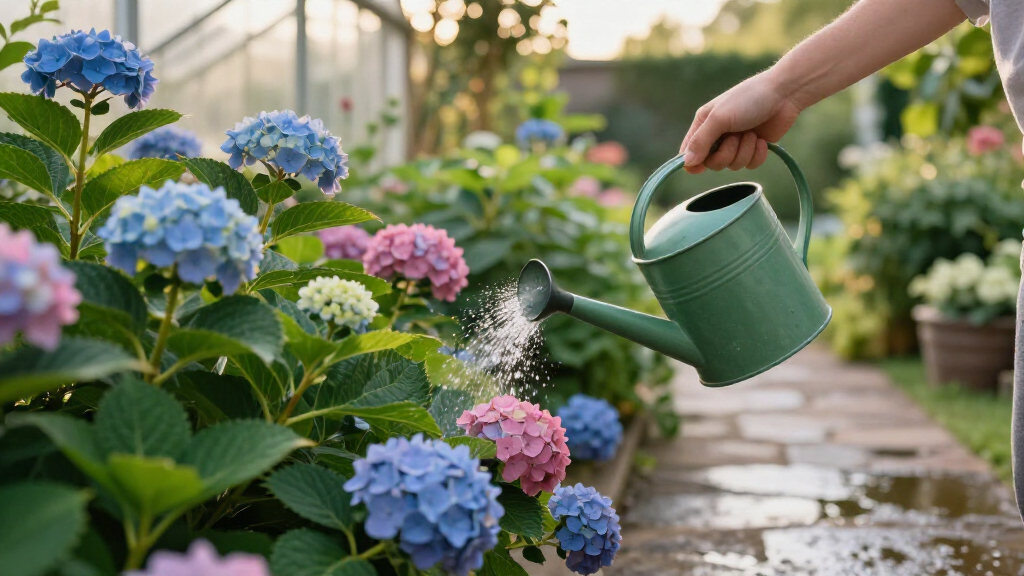
I compared the 12 listings by the factors that shape a real planting decision: hydrangea type, stated plant size and container, bloom style, growth habit, and likely fit for different garden needs. I gave preference to options with a clearly differentiated role, such as reblooming bigleaf shrubs, panicle forms, and a cascading cultivar, while treating small starter plants as choices for patient gardeners rather than instant impact.
The ranking reflects how broadly useful and easy to place each option appears from the supplied product details, alongside the tradeoffs a buyer should weigh. Bloom descriptions alone cannot establish performance in a particular garden, so buyers should confirm their hardiness zone, mature size, light needs, and shipping condition with the seller. Where listings repeat BloomStruck in different sizes or descriptions, I treat them as separate purchase formats rather than assuming the plants or specifications are identical.
| hydrangea plant | Sun exposure |
|---|---|
| Live French Hydrangea Macrophy | Full sun (afternoon shade recommended) |
| Endless Summer BloomStruck Hyd | Partial shade to full sun |
| Proven Winners Let’s Dance Sky | Full sun to partial shade |
| First Editions Vanilla Strawbe | Full sun to partial shade |
| Pink and White Hydrangea Live | Full sun |
| Endless Summer BloomStruck Reb | — |
| Limelight Hydrangea Live Plant | — |
| Endless Summer BloomStruck Big | — |
| First Editions Spring Sizzle P | — |
| Fire Hydrangea Live Plant | — |
| First Editions Eclipse Bigleaf | Morning sun to partial or full shade |
| Proven Winners Fairytrail Brid | Full sun to part shade |
Factors to Consider When Choosing Best Hydrangea Plants
Before choosing a hydrangea, match the plant to the site and the time you have to care for it. These broader checks can prevent the common mistake of buying for a flower photo alone.
Match the Hydrangea Type to Your Climate
Bigleaf hydrangeas, including BloomStruck and Eclipse, can be more sensitive to winter cold and late spring frost than many panicle types. A bigleaf shrub may survive winter yet lose flower buds if those buds formed on old wood and freeze. Panicle hydrangeas generally flower on new growth, which can make them a more forgiving choice where winters are harsh. Check the cultivar’s hardiness range against your location, and look up whether it blooms on old wood, new wood, or both. A plant’s label or retailer listing should give more reliable guidance than a broad claim that hydrangeas are hardy. If your site sits near the edge of a cultivar’s range, favor dependable flowering over a color preference.
Plan for Mature Width, Not Just the Pot
A young hydrangea can look small enough for a narrow border while growing into a shrub that crowds a path or window. Check mature height and width, then leave room for airflow and access for pruning. Upright panicle shrubs and rounded bigleaf shrubs use space differently, while a cascading type such as Fairytrail Bride may suit a wall, raised bed, or container edge. Don’t plant close together to create an instant hedge unless the mature spacing supports it. Crowding can reduce airflow and make routine care harder. If the retailer doesn’t give mature dimensions, seek cultivar-specific information before ordering.
Choose a Plant Size That Fits Your Timeline
Quart pots and starter plants are easier to fit into a small planting budget or a staged garden, but they need time and attentive watering before they make a substantial display. A 2- or 3-gallon shrub gives you a larger starting point, though it still needs time to establish and may not arrive in bloom. Container size does not guarantee a particular height, root condition, or flower count, so check the seller’s current size description and shipping details. Small plants can also be more vulnerable to drying out soon after planting. If you want a defined landscape feature this season, prioritize a healthy, well-rooted larger plant. If gradual growth suits your plan, a starter can be a practical choice.
Read Bloom Timing and Pruning Details Before Buying
Hydrangea pruning mistakes can remove the season’s flower buds, especially on varieties that bloom on old wood. Reblooming descriptions may indicate a longer flowering window, but they do not mean continuous flowers under every climate and care routine. New-wood bloomers are often pruned in late winter or early spring, while old-wood types generally need more careful timing. Confirm the cultivar’s pruning guidance instead of applying one rule to every hydrangea. If you prefer low-stress maintenance, choose a type whose flowering wood and pruning schedule fit your habits. Also check whether the shrub needs deadheading or shaping to hold the form you want.
Set Flower Color Expectations
Some bigleaf hydrangea colors can shift with soil conditions, especially when the cultivar is capable of blue or pink flowers. A plant sold as purple or pink may not keep exactly that shade in every garden, and soil amendments do not produce instant or guaranteed results. Panicle varieties commonly progress through color changes as blooms age, so the plant may look different later in the season than it does in a listing photo. Consider whether you want a stable color family, a changing display, or a soil-responsive bloom. Ask the seller which colors are typical for the exact cultivar and whether the listing photo shows a mature flower. Let site conditions and the plant’s natural habit guide your choice more than a single image.
Compare Care Demands With the Planting Site
Hydrangeas generally perform best with suitable light, consistent moisture, and soil that drains well, but the right balance varies by type and climate. Hot afternoon sun can stress some bigleaf plants, while too much shade may reduce flowering. A sunny exposed bed can be a better fit for some panicle cultivars, provided the plant receives enough water as it establishes. Check the spot through the day and note whether it dries quickly before you order. Plan for regular watering during the first growing season, especially for small plants and container-grown shrubs. Paying more for a larger shrub does not fix a poor site; place and care fit matter first.
Frequently Asked Questions
Which hydrangea in this roundup is the safest choice for a cold winter?
I would compare the stated hardiness range and bloom wood of each exact cultivar before deciding. Panicle options such as Limelight and Spring Sizzle can be more forgiving of winter damage to old buds because panicle hydrangeas typically bloom on new growth. Bigleaf types such as BloomStruck and Eclipse may need more protection in colder locations, depending on the cultivar and site. A sheltered position can help, but it does not replace checking the plant’s local hardiness fit. If your garden is near a zone boundary, ask the seller for cultivar-specific guidance.
Should I buy a small starter plant or a larger container shrub?
Choose a starter if you can wait for it to fill out and are prepared to monitor its water closely while roots establish. A 2- or 3-gallon shrub is a better starting point for a more visible planting, though container size alone does not promise flowers or a specific height on arrival. Compare the listed dimensions, pot size, and shipping condition rather than relying on container labels alone. Small plants may be easier to place and transport, but they can be less forgiving if they dry out. Your timeline and willingness to nurture a young plant matter more than the label size by itself.
Can I get blue flowers from a pink or purple bigleaf hydrangea?
Flower color in some bigleaf hydrangeas can respond to soil chemistry, but the result depends on the cultivar and the conditions around its roots. A pink or purple listing does not guarantee that the plant will turn blue after an amendment. Changes can take time, and shifting soil conditions too aggressively may harm the plant. Check whether the specific cultivar is known to show a soil-related color range before trying to alter it. If a consistent color is your main goal, choose a type whose bloom color is less dependent on soil conditions.
Which type is better if I don’t want to prune carefully every year?
Look at when the cultivar forms flower buds and how much shaping its growth habit needs. Many panicle hydrangeas bloom on new growth, which can make pruning timing less stressful than for bigleaf types that flower on old wood. That does not mean a panicle shrub needs no care: it may still need occasional shaping and adequate room to grow. Reblooming claims also do not remove the need to follow the cultivar’s pruning directions. If low maintenance is your priority, favor a well-sited shrub with a natural shape that suits the available space.
How can I tell whether a hydrangea will fit a container or small garden?
Start with the mature height and width, then compare those dimensions with the space and container you can provide. A compact growth habit or cascading form may work better in a restricted area than a large upright shrub, but a young plant’s current pot size is not a guide to its eventual footprint. Containers also dry faster than garden soil and may require more frequent watering and winter protection. Check whether the cultivar is suitable for container growing and whether the pot can accommodate its mature root system. If the listing lacks dimensions, get them from the seller before ordering.
Conclusion
For the best overall fit, I would start with Endless Summer BloomStruck, choosing among its listings by container size and verifying cultivar details. Limelight is my pick for gardeners who want upright panicle blooms, while Fairytrail Bride suits a cascading feature. For a larger initial planting, compare the 2- and 3-gallon options; for a lower-commitment start, the quart and small starter listings fit patient growers, though they need more time and care. Beginners should prioritize a cultivar that matches their climate and site, with clear seller guidance on mature size and pruning. The best value depends on the plant’s health and size when shipped, so compare those details alongside your garden’s needs before choosing.
Halloween Picks
halloween
As an affiliate, we earn on qualifying purchases.