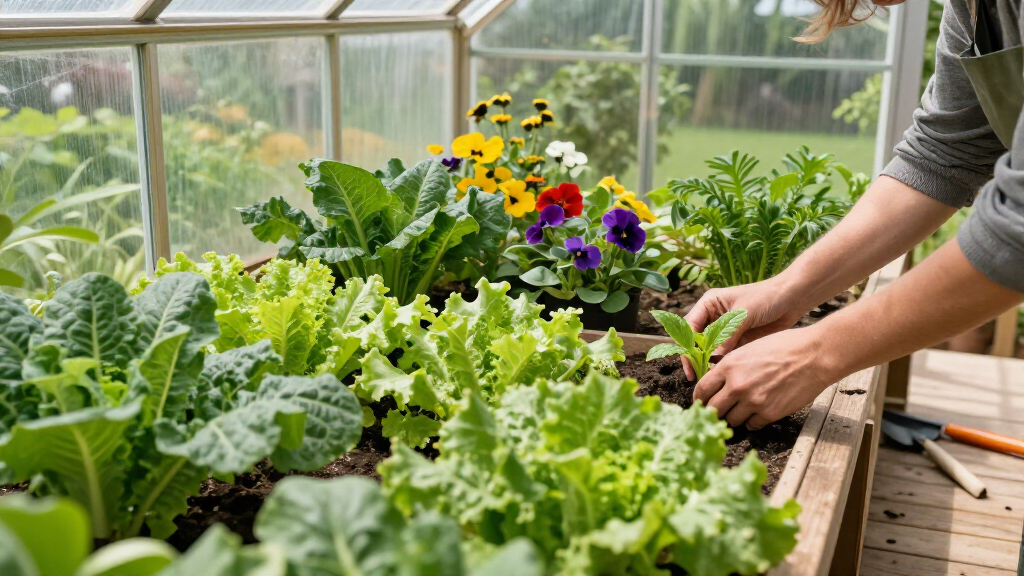

Garden greenhouse kits range from $40 desktop seed-starters to $1,000+ polycarbonate walk-ins, and the right one depends entirely on your climate, space, and how seriously you plan to grow. For most buyers, the Garvee 6 x 10 FT Aluminum Greenhouse stands out as the best overall pick — its polycarbonate panels and aluminum frame handle weather that destroys cheaper PE-covered kits. If budget leads, the VEVOR 9.6 ft Walk-in Tunnel delivers real growing space at hoop-house pricing, while the Bamworld Desktop Mini is the clear choice for indoor seed starting. The core tradeoff in this category is durability versus price: rigid-panel kits cost three to five times more but last a decade, while soft-covered kits are affordable yet need replacing every few seasons. Keep reading for the full breakdown of all 12 kits.

Get garden gear delivered free with Prime
- Fast, free delivery on millions of items
- Prime Video, Amazon Music and more included
- Member-only deals all year
Complete the kit


Key Takeaways
- Polycarbonate kits (Garvee and the 6×10 FT Aluminum model) were the only options built to survive heavy snow and wind without seasonal takedown — everything else uses PE or PVC covers that degrade within 2-4 years of UV exposure.
- The two VEVOR tunnel greenhouses are nearly identical products at different lengths; the 14.6 ft version is the better value per square foot, but neither includes the anchoring stakes robust enough for windy sites.
- Pop-up and shelf-style kits (Eagle Peak, Pure Garden 8-Shelf, SUNGIFT, Greengro) all share a common weakness: shelving weight limits under 30 lbs per tier, which rules out potted tomatoes and mature plants.
- The Bamworld kits were the only ones with integrated grow lights, making them genuinely useful for indoor seed starting in late winter — but they’re plant stands, not greenhouses, and shouldn’t be judged against outdoor kits.
- Roof vents and lockable doors, found only on the two aluminum kits, matter more than raw size for summer growing — unvented soft greenhouses routinely overheat past 100°F and cook seedlings.


| garden greenhouse kit | Frame Material | Cover Material | Dimensions |
|---|---|---|---|
| Garvee 6 x 10 FT Greenhouse wi | Aluminum | — | — |
| VEVOR Walk-in Tunnel Greenhous | Galvanized steel | High-density PE | 9.6 x 6.4 x 6.2 ft |
| KING BIRD Premium 20x10x6.6FT | Galvanized steel with stiffeners | PE grid | 20 x 10 x 6.6 ft |
| Bamworld Mini Greenhouse Indoo | — | — | — |
| Walk-in Greenhouse with 8 Shel | Steel | Clear PVC | 56 x 56 x 76 inches |
| Eagle Peak 8×6 Pop Up Greenhou | Steel | PE (Polyethylene) | — |
| Greengro Greenhouse | — | — | 28 x 57 x 76 inches |
| VEVOR Walk-in Tunnel Greenhous | Galvanized steel | High-density PE, 140g/m² | 14.6 x 6.4 x 6.3 ft |
| 6×10 FT Greenhouse with Alumin | Reinforced aluminum | — | — |
| 4-Tier Mini Greenhouse with Lo | — | — | — |
| Bamworld Mini Greenhouse with | — | PE cover | — |
| SUNGIFT Walk-in Greenhouse Kit | Rust-resistant steel | Reinforced PE, clear | 57 x 61 x 80 inches |
More Details on Our Top Picks
Garvee 6 x 10 FT Greenhouse with Aluminum Frame and Polycarbonate Panels
This option stands out for buyers who want a rigid, semi-permanent greenhouse without paying glass-house prices. Unlike the fabric-covered VEVOR tunnel or KING BIRD models, the polycarbonate panels and aluminum frame mean no flapping plastic in wind and far better heat retention for shoulder-season growing. The lockable door and water gutter system are details usually reserved for pricier kits, and the gutter genuinely matters if you plan to harvest rainwater. The tradeoff is size and cost: at 6 x 10 ft it holds less than the KING BIRD’s 20-foot footprint, and rigid panels take more careful assembly than a zip-up PE cover. Compared with the near-identical 6×10 aluminum kit elsewhere in this roundup, the Garvee’s ventilation and drainage package gives it the edge as the most complete all-weather choice.
Pros:- Rigid polycarbonate panels resist wind and heavy rain far better than PE covers
- Lockable door and adjustable roof vent add security and climate control
- Water gutter system supports rainwater collection
- Aluminum frame won’t rust or rot over time
Cons:- Ships in two separate boxes that may arrive days apart
- Sparse documentation on UV protection and insulation ratings
- Assembly of rigid panels takes longer than a pop-up or hoop design
Best for: Serious hobby gardeners who want a durable, semi-permanent greenhouse that survives wind and rain year after year
Not ideal for: Growers with large vegetable plots — the 60 sq ft floor plan fills up fast once you add staging
- Size:6 x 10 ft
- Frame Material:Aluminum
- Panel Material:Polycarbonate
- Panel Weight:720 g/m²
- Door:Lockable
- Ventilation:Adjustable roof vent
- Drainage:Water gutter system
Our verdict“The most complete kit here for gardeners upgrading from plastic tunnels to a permanent structure.”
VEVOR Walk-in Tunnel Greenhouse, 9.6×6.4×6.2 ft Hoop House with Galvanized Steel Frame and PE Cover
For growers who want real walk-in space on a budget, this VEVOR hoop house splits the difference nicely. It costs far less than the Garvee’s polycarbonate build while offering more usable headroom than shelf-style units like the Pure Garden 8-shelf model. The galvanized steel hoop frame is the same construction philosophy as the larger KING BIRD, just scaled down, and the six windows plus roll-up door give it better airflow than most tunnels this price. The honest tradeoff: a 140 g/m² PE cover will yellow and tear years before polycarbonate gives out, and heat retention on cold nights is limited. Assembly also demands patience — expect a full afternoon. This pick makes the most sense for budget-minded gardeners who need capacity now and accept replacing the cover eventually.
Pros:- Heavy-duty galvanized steel frame delivers genuine stability for the price
- Six windows and a roll-up door provide strong cross-ventilation
- Walk-in height of 6.2 ft suits taller plants like tomatoes
- Tear-resistant seams extend cover life beyond basic PE tunnels
Cons:- PE cover degrades faster than polycarbonate panels
- Assembly is time-consuming with many frame sections
- Heavy and awkward to relocate once built
Best for: Budget-conscious gardeners who want walk-in growing space for vegetables without polycarbonate pricing
Not ideal for: Anyone in a high-wind region — the PE cover needs firm anchoring and the frame can shift without it
- Dimensions:9.6 x 6.4 x 6.2 ft
- Frame Material:Galvanized steel
- Cover Material:High-density PE
- Cover Weight:140 g/m²
- Windows:6
- Door:Roll-up zipper door
- Design:Walk-in hoop house
Our verdict“The smart middle path between flimsy shelf greenhouses and expensive rigid-panel kits.”
KING BIRD Premium 20x10x6.6FT Greenhouse for Outdoors Large Walk-in House
This is the capacity king of the lineup — 200 square feet is enough for serious vegetable production or small market-scale growing. Compared with the VEVOR 9.6-footer, the KING BIRD adds reinforced steel stiffeners and 24 stakes plus 4 ropes, which matters enormously at this span: a 20-foot tunnel catches a lot of wind and unreinforced frames buckle in exactly this size class. The UVI 6 rated cover also outlasts untreated PE, buying you extra seasons before replacement. The drawbacks are real though — expect a two-person (minimum) build over a weekend, and the price reflects the footprint. Skip it if you’re only raising seedlings and herbs; the Garvee or VEVOR covers that job for far less money and effort.
Pros:- Reinforced galvanized steel frame with stiffeners handles large spans
- UVI 6 rated cover resists sun degradation better than standard PE
- Roll-up windows and dual doors enable precise temperature control
- 24 stakes and 4 ropes provide serious anchoring hardware
Cons:- Assembly realistically requires two or more people
- Likely the most expensive option in this batch
- Massive footprint demands a large, level, exposed site
Best for: Serious growers and small-scale sellers who need 200 sq ft of protected growing space for diversified crops
Not ideal for: Casual or first-time gardeners — the size, build effort, and cost are overkill for a hobby raised bed
- Dimensions:20 x 10 x 6.6 ft
- Floor Area:200 sq ft
- Frame Material:Galvanized steel with stiffeners
- Cover Material:PE grid
- UV Protection:UVI 6
- Stakes Included:24
- Ropes Included:4
Our verdict“Buy it when output matters more than budget; otherwise a smaller tunnel does the same job cheaper.”
Bamworld Mini Greenhouse Indoor Desktop with Grow Lights
This is the odd one out in the lineup — and that’s its whole appeal. Where the VEVOR and KING BIRD assume you have a yard, the Bamworld puts a climate-controlled growing cabinet on a tabletop. The standout feature is the built-in grow light with a 3/6/12-hour timer and 9 brightness levels, something no outdoor kit here offers, which means seedlings get consistent light regardless of your window situation. The rot-resistant eucalyptus frame also looks at home indoors in a way no steel-and-PE tunnel ever could. The obvious limitation: 22 inches of width and a single tier cap plant size at seedlings and small herbs. If you eventually need to grow plants to maturity, pair this with the Pure Garden walk-in rather than expecting it to do both jobs.
Pros:- Adjustable grow light with timer and 9 brightness settings removes window-light dependency
- Rot-resistant eucalyptus wood is attractive enough for indoor display
- 38 lb shelf capacity handles rows of seedling trays
- Side vents and roll-up door manage humidity and airflow
Cons:- Single-tier design limits throughput for serious seed starting
- Grow light wattage and spectrum specs aren’t documented
- Compact capacity makes the price per plant relatively high
Best for: Apartment gardeners and seed-starters who need reliable germination light before moving plants outdoors
Not ideal for: Anyone wanting to grow plants to maturity — the single tier and 22-inch width rule out anything beyond seedlings and herbs
- Material:Eucalyptus wood
- Width:22 inches
- Height Spacing:15 inches
- Weight Capacity per Shelf:38 lbs
- Light Timer:3/6/12-hour
- Brightness Levels:9
- Ventilation:Side vents and roll-up zipper door
- Assembly:Tools and instructions included
Our verdict“A niche but genuinely useful pick for indoor germination — just don’t expect it to replace an outdoor greenhouse.”
Walk-in Greenhouse with 8 Shelves and PVC Cover, 56 x 56 x 76 Inches, by Pure Garden
For gardeners testing the greenhouse waters, this Pure Garden model is the lowest-commitment walk-in option in the batch. The eight shelves do the heavy lifting here — unlike the VEVOR tunnel, which is bare floor space you have to furnish, this arrives as a complete potting station ready for trays of seedlings. Tool-free assembly means you can have it up in under an hour, which is a genuine advantage over the Garvee’s rigid-panel build or the VEVOR’s multi-hour frame. The compromises are equally clear: the steel-and-PVC construction is the lightest duty here, the cover will need replacing within a few seasons, and wind demands diligent anchoring with the included stakes and guy lines. Treat it as a season extender, not a year-round structure, and it delivers good value.
Pros:- Eight included shelves provide organized storage from day one
- Tool-free assembly takes under an hour
- Stakes and guy lines included for basic stability
- Compact 56 x 56-inch footprint fits small patios and side yards
Cons:- Requires extra anchoring beyond the included kit in real wind
- PVC cover is the least durable material in this lineup
- Shelves limit you to potted plants — no floor space for tall crops
Best for: First-time greenhouse buyers who want organized shelf space and a low-cost, low-effort entry point
Not ideal for: Windy or harsh-climate gardeners seeking a year-round structure — the PVC cover and light frame won’t hold up
- Dimensions:56 x 56 x 76 inches
- Shelves:8
- Frame Material:Steel
- Cover Material:Clear PVC
- Color:Green frame with clear cover
- Anchoring:Stakes and guy lines included
- Assembly:Tool-free
Our verdict“The cheapest way to find out whether greenhouse gardening is for you before spending on a tunnel or rigid kit.”
Eagle Peak 8×6 Pop Up Greenhouse, Clear and Green
Most greenhouses in this roundup demand an afternoon of assembly, but the Eagle Peak 8×6 takes a different approach with its patented center lock technology — one person can have it standing in minutes without a single tool. That speed is the entire selling point here, and it changes who can realistically own a greenhouse: renters, seasonal gardeners, and anyone unwilling to wrestle with a multi-day build like the VEVOR 14.6-foot tunnel.
The tradeoff for that convenience is structural. Compared with the aluminum-framed 6×10 FT polycarbonate model, the PE cover and pop-up frame feel like a temporary solution rather than a permanent installation. Shelves are sold separately, so budget accordingly if you want organized growing space rather than open floor.
Pros:- Genuine one-person, tool-free setup in minutes
- Heavy-duty rust-resistant steel frame
- UV- and water-resistant PE cover for frost protection
- Mesh windows and roll-up doors provide real ventilation
Cons:- Shelves not included — a separate purchase is needed for organized growing
- Pop-up frame is less rigid than fixed-frame greenhouses in wind
Best for: Renters and seasonal gardeners who want frost protection fast and plan to store the greenhouse part of the year
Not ideal for: Gardeners wanting a permanent, shelf-equipped growing structure — the optional shelving costs extra and the pop-up design isn’t built for year-round rigidity
- Size:8×6 feet
- Frame Material:Steel
- Cover Material:PE (Polyethylene)
- Color:Clear/Green
- Setup:Quick, tool-free with center lock technology
- Weather Resistance:Rust-resistant, UV-resistant
- Shelves:Optional accessory (sold separately)
Our verdict“This pick makes the most sense for anyone who values speed of setup over permanent capacity.”
Greengro Greenhouse, 28 x 57 x 76 inches Walk-in Greenhouse for Outdoors and Indoor Use
The Greengro walk-in occupies the value end of this lineup, offering a 6.4-foot-tall enclosed growing space with four included shelves at a price well below the aluminum-framed options. Unlike the Eagle Peak pop-up, you get shelf organization out of the box — each shelf holds 22 lbs, which is enough for seedling trays and potted herbs.
Its narrow 28-inch footprint is both its strength and its limitation. It slots into a corner of a patio or even a garage where the VEVOR 14.6-foot tunnel would be impossible, but tall indeterminate tomatoes or sprawling squash will quickly outgrow it. The 45 mph wind rating is respectable for the price, though anchoring and occasional frame checks are part of ownership.
Pros:- Four shelves included, each rated for 22 lbs
- Waterproof and UV-protected cover
- Works indoors or outdoors
- Wind resistance rated up to 45 mph
Cons:- Very limited interior space for larger plants
- Needs regular anchoring and maintenance to stay stable
Best for: First-time greenhouse buyers who want shelves included and a small footprint for a patio, balcony, or garage corner
Not ideal for: Gardeners with tall or vining crops — the narrow 28-inch depth and shelf spacing rule out anything but compact plants
- Dimensions:28 x 57 x 76 inches
- Height:6.4 ft
- Material:Polyethylene cover, metal frame
- Number of Shelves:4
- Weight Capacity:22 lbs per shelf
- Base Thickness:16mm
- Wind Resistance:Up to 45 mph
Our verdict“A sensible entry point if you want a complete shelved greenhouse cheap, as long as your ambitions stay seedling-sized.”
VEVOR Walk-in Tunnel Greenhouse, 14.6×6.4×6.3 ft Hoop House with Galvanized Steel Frame and PE Cover
When the smaller options in this roundup start feeling cramped, the VEVOR 14.6-foot tunnel delivers genuine hoop-house scale — nearly 15 feet of walk-in growing space that can handle raised beds, tall crops, and everything in between. The galvanized steel frame is a meaningful step up in rigidity from the Greengro or Pure Garden models, and the 140g/m² PE cover offers better insulation than thinner covers on budget units.
Ventilation is where this model pulls ahead of most competitors: eight windows plus a roll-up zipper door let you manage heat on sunny days, which matters enormously at this size. The tradeoffs are weight and permanence — once assembled, this isn’t something you’ll shuffle around the yard, and the cover will eventually need replacing after sustained UV exposure.
Pros:- Nearly 15 feet of walk-in growing space
- Galvanized steel frame for superior stability
- Eight windows plus roll-up door for excellent climate control
- Thick 140g/m² PE cover insulates better than budget covers
Cons:- Multi-step assembly requiring tools and likely two people
- PE cover will degrade and need replacement after prolonged sun exposure
Best for: Vegetable gardeners and small-market growers who need real walk-in capacity for raised beds and tall crops
Not ideal for: Casual or mobile gardeners — assembly takes real time and effort, and the heavy frame is impractical to relocate
- Dimensions:14.6 x 6.4 x 6.3 ft
- Frame Material:Galvanized steel
- Cover Material:High-density PE, 140g/m²
- Windows:8
- Door:Roll-up zipper door
- Use:Home, farm, or commercial gardening, year-round
Our verdict“The clear choice when capacity is the priority and you’re ready to commit to a semi-permanent installation.”
6×10 FT Greenhouse with Aluminum Frame and Polycarbonate Panels, Easy Assembly Outdoor Greenhouse with Roof Vents and Lockable Door
This is the most permanent-feeling greenhouse in this batch. Where the VEVOR tunnel relies on a fabric cover and the Eagle Peak pops up in minutes, this model pairs a reinforced aluminum frame with rigid polycarbonate panels — meaning better hail resistance, better heat retention, and a structure that won’t billow in the wind. The slide-in panel system keeps assembly more manageable than traditional glass greenhouses, though first-timers should still block out a full day.
The details are what justify the premium: adjustable roof vents, rain gutters, and a lockable sliding door give you real climate control and security that no PE-covered option here can match. Panels can scratch over time, so some care during setup and cleaning pays off.
Pros:- Rigid polycarbonate panels resist wind and hail far better than PE covers
- Lockable sliding door adds security for tools and equipment
- Adjustable roof vents and rain gutters for serious climate management
- Flexible base options: soil, concrete, or wooden planks
Cons:- Assembly takes a full day or more for beginners
- Polycarbonate panels scratch if handled carelessly
Best for: Homeowners who want a durable, four-season greenhouse that functions as a permanent garden feature rather than a seasonal shelter
Not ideal for: Renters or budget-limited buyers — the price and permanence of a rigid polycarbonate structure are wasted if you might move or relocate it
- Size:6×10 ft
- Frame Material:Reinforced aluminum
- Panels:Polycarbonate, slide-in system
- Ventilation:Adjustable roof vents
- Door:Lockable sliding door
- Extras:Rain gutters
- Base Options:Soil, concrete, or wooden planks
Our verdict“Worth the spend if you’re building a long-term greenhouse and want rigid panels, ventilation control, and a lockable door in one package.”
4-Tier Mini Greenhouse with Locking Wheels and PVC Cover by Pure Garden
The Pure Garden 4-tier shrinks the greenhouse concept down to a rolling shelf unit — and that mobility is its defining advantage. The locking wheels mean you can roll your seedlings onto a sunny patio in the morning and into a sheltered spot before a frost, something no walk-in model in this roundup can do. Each of the four shelves holds 24 lbs, matching the Greengro’s shelf rating in a far smaller footprint.
Compared with the Pure Garden 8-shelf walk-in model, you give up standing room and total capacity, but you gain the ability to chase sun and dodge weather on a whim. The PVC cover does the frost-and-pest job adequately but won’t survive years of outdoor exposure — treat it as a consumable part of the system.
Pros:- Locking wheels make relocating plants effortless
- Four shelves rated at 24 lbs each
- Works equally well indoors or on a patio
- Zippered roll-up cover protects against frost and pests
Cons:- Insufficient height clearance for mature tall plants
- PVC cover is a wear item that will need replacing
Best for: Balcony and small-space gardeners, or anyone starting seeds who wants to move plants between indoors and out with zero effort
Not ideal for: Gardeners growing tall plants — shelf clearance tops out well below what tomatoes or peppers eventually need
- Number of Tiers:4
- Shelf Dimensions:27.1 x 19.3 inches
- Height:63.3 inches
- Weight Capacity:24 lbs per shelf
- Material:Tubular steel frame, PVC cover
- Mobility:Locking wheels or fixed in place
Our verdict“The right pick if your greenhouse needs to move with the seasons and fit in a footprint smaller than a bookcase.”
Bamworld Mini Greenhouse with Grow Light Plant Stand, 3-Tier Portable Greenhouse with PE Cover for Seedlings and Small Plants
Most mini greenhouses in this roundup, like the 4-Tier Mini Greenhouse with Locking Wheels by Pure Garden, rely entirely on ambient sunlight. This Bamworld model takes a different approach by building adjustable grow lights directly into the frame, with a timer offering 3, 6, or 12-hour cycles and nine brightness levels. That matters if you start seeds in a dim corner or a north-facing room — the light schedule does the work instead of your window placement.
The tradeoff is capacity. With 23-inch shelves and 17 inches of vertical spacing, this unit suits seedlings, herbs, and succulents, not the tomatoes or peppers you’d raise in the walk-in SUNGIFT greenhouse. It also needs a nearby outlet, which tethers it to indoor use more than a plain shelf rack would be.
Pros:- Built-in grow lights with timer and brightness control eliminate dependence on window light
- Eucalyptus wood frame is sturdier and more attractive than typical wire-shelf minis
- 45 lb shelf capacity holds dozens of seedling trays without flexing
- PE cover lets it double as a humidity tent outdoors in mild weather
Cons:- Grow lights require a power outlet, limiting true outdoor placement
- Too small for mature or tall plants — strictly a seedling and small-plant tool
Best for: Indoor gardeners and seed-starters who lack bright window light and want a compact, self-lit growing station
Not ideal for: Growers raising tall or fruiting plants — the 17-inch shelf spacing and small footprint rule out anything beyond seedlings and small pots
- Number of Tiers:3
- Shelving Width:23 inches
- Height Spacing:17 inches between shelves
- Maximum Load per Shelf:45 lbs
- Material:Eucalyptus wood
- Lighting:Grow light with 3/6/12-hour timer and 9 brightness levels
- Cover Material:PE cover
Our verdict“Buy this if you start seeds indoors and need controlled lighting in a compact footprint; skip it if your plants will outgrow six-inch pots.”
SUNGIFT Walk-in Greenhouse Kit, 57x61x80 Inch, Upgraded PVC Clear
If your bottleneck is surface area rather than floor space, this 10-shelf walk-in delivers more growing real estate per square foot than almost anything else here. Compare it to the Pure Garden Walk-in Greenhouse with 8 Shelves: similar footprint, but SUNGIFT squeezes in two extra shelves plus dual observation windows, so you can check ventilation and plant health without unzipping the main door and dumping heat.
Where it falls short of larger structures like the VEVOR 9.6 ft Hoop House is headroom and airflow. At 80 inches tall, tall gardeners will stoop, and tall plants like indeterminate tomatoes won’t fit. The rust-resistant steel frame and roll-up zippered door are solid for the price, but the PE cover still needs anchoring in wind — budget for stakes or sandbags.
Pros:- Ten shelves give exceptional plant capacity for the footprint
- Dual observation windows allow airflow checks without opening the door
- Rust-resistant steel frame and reinforced PE cover hold up across seasons
- Assembly is straightforward compared with panel greenhouses
Cons:- Needs additional anchoring in windy areas to keep the cover secure
- 80-inch interior height limits tall plants and taller gardeners
- Shelf layout favors trays and small pots over large containers
Best for: Gardeners who maximize seedling and container-plant production in a small yard or patio and want maximum shelf count without a large footprint
Not ideal for: Anyone in a windy, exposed site or growing tall crops — the cover needs extra anchoring and the 80-inch height caps plant size
- Dimensions:57 x 61 x 80 inches
- Number of Shelves:10
- Frame Material:Rust-resistant steel
- Cover Material:Reinforced PE, clear
- Door:Zippered roll-up door
- Ventilation:Dual observation windows
- Assembly:Easy assembly, portable
Our verdict“This pick makes the most sense for shelf-space-hungry gardeners with limited ground area who don’t need to walk in tall or grow full-size crops.”
How We Picked
I evaluated each kit against four buyer-relevant criteria: structural durability (frame material, panel or cover type, wind and snow resistance), usable growing capacity (true floor space, headroom, shelving weight limits), assembly effort (realistic build time for one person versus two), and long-term value (expected cover replacement costs, warranty, availability of spare parts). Because greenhouse kits span such a wide price range, I grouped them into tiers — rigid permanent structures, walk-in tunnel houses, shelf-style soft greenhouses, and indoor mini units — and ranked within and across those tiers based on how well each delivers on its intended use case.
The ranking logic favors kits that punch above their price point rather than simply listing the most expensive options first. The Garvee earns the top spot because it combines the durability of kits costing twice as much with genuinely usable features like roof vents and a lockable door. Value picks like the VEVOR tunnels rank highly despite their shorter lifespan because their price-per-square-foot is unmatched. Indoor minis are ranked strictly against each other, since comparing a desktop seed-starter to a walk-in greenhouse would be misleading.
| garden greenhouse kit | Frame Material |
|---|---|
| Garvee 6 x 10 FT Greenhouse wi | Aluminum |
| VEVOR Walk-in Tunnel Greenhous | Galvanized steel |
| KING BIRD Premium 20x10x6.6FT | Galvanized steel with stiffeners |
| Bamworld Mini Greenhouse Indoo | — |
| Walk-in Greenhouse with 8 Shel | Steel |
| Eagle Peak 8×6 Pop Up Greenhou | Steel |
| Greengro Greenhouse | — |
| VEVOR Walk-in Tunnel Greenhous | Galvanized steel |
| 6×10 FT Greenhouse with Alumin | Reinforced aluminum |
| 4-Tier Mini Greenhouse with Lo | — |
| Bamworld Mini Greenhouse with | — |
| SUNGIFT Walk-in Greenhouse Kit | Rust-resistant steel |
Factors to Consider When Choosing Garden Greenhouse Kits
Before choosing a kit, it helps to understand what actually separates a greenhouse that lasts a decade from one that ends up in the landfill after two winters. These are the factors that shaped my rankings — and the mistakes I see buyers make most often.Cover Material Is the Single Biggest Cost Driver
The divide between polycarbonate panels and soft PE/PVC covers explains most of the price spread in this category. Polycarbonate blocks UV, insulates against frost, and doesn’t cloud or tear — but it costs three to five times more upfront. PE covers are cheap and let in plenty of light, but UV degradation makes them brittle within two to four seasons, and replacement covers for budget brands can be hard to source. A common mistake is buying a cheap PE kit expecting permanent infrastructure; if you’re gardening at the same house for five-plus years, the polycarbonate kit usually wins on total cost. If you’re renting or still experimenting, a soft kit’s replaceability is actually an advantage.
Wind and Snow Ratings Matter More Than You Think
Almost every greenhouse failure I’ve seen comes down to anchoring, not the structure itself. Hoop houses and shelf greenhouses are effectively sails — a 60 mph gust can flatten an unanchored tunnel or send a lightweight shelf kit tumbling across the yard. Kits with galvanized steel frames and included ground stakes (like the VEVOR tunnels) fare far better than kits that assume you’ll buy anchoring separately. If you get snow, the equation changes entirely: soft covers sag and tear under accumulation, while rigid aluminum frames with polycarbonate shed it. Buyers in snowy regions should treat the polycarbonate kits as the floor, not the ceiling, of what they need.
Ventilation Determines Whether Plants Survive Summer
A sealed greenhouse on a sunny spring day can exceed 100°F internally within an hour, which kills seedlings faster than any frost. Only the two aluminum kits in this roundup include roof vents and operable doors; every soft kit relies on rolling up the door or unzipping panels, which is fiddly and easy to forget. If you live somewhere warm or work away from home all day, automated vent openers (available as an add-on for rigid kits) are worth the extra $30-50. Buyers consistently overestimate insulation and underestimate ventilation — more plants die from overheating in greenhouses than from cold.
Shelving Weight Limits Are the Hidden Dealbreaker
Shelf-style kits advertise four to eight tiers of growing space, but read the fine print: most hold 20-30 lbs per shelf, which is roughly two flats of seedlings and nothing more. A potted tomato plant in wet soil can weigh 40 lbs on its own. This is why I ranked shelf kits as season-extenders and propagation stations rather than true greenhouses. If your plan involves mature plants in containers, you need floor-level growing space in a walk-in kit, not shelving. Matching the kit’s capacity to your actual plants — not your aspirational ones — is the most reliable way to avoid disappointment.
Size Claims Versus Usable Space
Manufacturer dimensions describe the footprint, not the growing area. A 6×10 ft greenhouse loses roughly 20% of its floor to door swing paths and bench access, and hoop houses taper sharply at the sides, leaving only the center corridor truly productive. Compare the peak height and side-wall height between kits: a 6.6 ft peak sounds generous until you realize the walls slope from knee-height. For tall crops like cucumbers or tomatoes on strings, walk-in kits with vertical or near-vertical walls (the aluminum and larger VEVOR models) offer dramatically more usable volume than their listed dimensions suggest.
Assembly Reality Check
Assembly times in product listings are optimistic, sometimes wildly so. Rigid polycarbonate kits realistically demand two people and a full weekend, with panel alignment being the most frustrating step. Hoop houses go up faster but require real muscle to tension the cover properly — a loose cover flaps in wind and tears within a season. Pop-up kits like the Eagle Peak genuinely assemble in minutes, which is their core selling point, but the tradeoff is a lighter frame. Check whether your kit needs a base or foundation; rigid greenhouses perform far worse when set directly on soil, and skipping this step voids most warranties.
Frequently Asked Questions
Is a polycarbonate greenhouse worth the extra cost over a PE-covered hoop house?
For most long-term gardeners, yes. A PE cover costs $50-100 to replace every two to four years, while polycarbonate panels last 10-15 years with no maintenance beyond washing. The insulation difference also matters for season extension: twin-wall polycarbonate holds heat overnight far better than single-layer PE, which means earlier spring planting and later fall harvests. However, if you’re renting, planning to move within a few years, or just testing whether you’ll actually use a greenhouse, a hoop house’s low upfront cost makes more sense — you can always upgrade later without feeling like you wasted money.
Can these greenhouses survive winter, or do I need to take them down?
It depends entirely on your snow load and the kit type. The two aluminum polycarbonate kits are designed for permanent four-season installation, though even they recommend brushing off heavy, wet snow accumulation above a foot or so. Hoop houses with PE covers can stay up through mild winters but will collapse under significant snow unless you add interior bracing — a common and preventable failure. Shelf-style and pop-up kits should come down or go into shelter before the first real storm; their frames simply aren’t rated for snow weight. As a rule, budget kits survive winter wind only when properly anchored with stakes or weights beyond what ships in the box.
What size greenhouse should I buy for a beginner?
Beginners consistently underestimate how quickly greenhouse space fills up and overestimate how much they’ll grow. A 6×10 ft walk-in like the Garvee is a strong starting size because you can actually stand inside, work in bad weather, and leave room to grow into it. Smaller shelf kits work well if your goal is strictly seed starting — you’ll outgrow one within a season if you catch the greenhouse bug, but they’re a cheap way to find out. My practical advice: buy the largest kit your space and budget allow, because upgrading later means buying twice, and used small greenhouses have weak resale value.
Do I need a foundation or base for a greenhouse kit?
Rigid kits absolutely benefit from one — a level base of compacted gravel, pavers, or treated timber keeps the frame square, prevents door misalignment, and dramatically extends its lifespan. Most polycarbonate greenhouse warranties assume some form of prepared base. Hoop houses can go directly on soil since you’re often planting in the ground inside them, but you’ll want to bury or stake the frame’s feet securely. Skipping the base on a rigid kit is the most common assembly shortcut, and it’s the one that causes doors that won’t close and panels that pop out within a year.
Are the mini greenhouses with grow lights a substitute for a real greenhouse?
No, and treating them as such leads to disappointment. The Bamworld mini kits are propagation stations — excellent for starting seeds indoors 6-8 weeks before your last frost, hardening off seedlings, or keeping herbs alive through winter under lights. They lack the volume, insulation, and ventilation to function as outdoor season-extenders; a cold night that a walk-in kit shrugs off will kill everything inside a mini unit left outside. If your gardening goal is starting your own transplants rather than buying nursery seedlings, though, a lit mini greenhouse is genuinely more useful than a cheap outdoor soft kit, because it gives you control over light as well as temperature.
Conclusion
For most gardeners, the Garvee 6 x 10 FT Aluminum Greenhouse is the best overall choice — it’s the only reasonably priced kit combining polycarbonate durability, roof vents, and a lockable door, and it justifies its premium over soft kits the first winter it survives. The VEVOR 14.6 ft Tunnel is the best value for budget-conscious buyers who want maximum growing square footage per dollar, while the Eagle Peak 8×6 Pop Up earns the beginner slot for anyone who wants a working greenhouse the same afternoon it arrives. At the premium end, the KING BIRD 20×10 suits serious growers running a large garden or small market operation — its size dwarfs everything else here, though it demands a prepared site and helpers for assembly.
For specific needs: apartment dwellers and seed-starters should get the Bamworld Desktop Mini with grow lights rather than any outdoor kit; renters and seasonal growers will find the Pure Garden 4-Tier on wheels a flexible, portable option; and the SUNGIFT and Greengro walk-ins fill the narrow niche between shelf kits and tunnels for small patios. Whatever you choose, anchor it properly, ventilate aggressively in spring, and match the kit’s weight limits to your actual plants — those three habits separate gardeners who love their greenhouse from those replacing it next year.
Halloween Picks
halloween
As an affiliate, we earn on qualifying purchases.