
To reduce your footprint and adopt a zero-waste lifestyle, start by choosing sustainable packaging, such as biodegradable or recyclable materials, and bring reusable bags and containers. Incorporate composting at home to turn organic waste into nutrient-rich soil while lowering methane emissions. Focus on small, consistent actions like minimizing packaging and practicing composting, which can inspire others and create lasting change. Keep exploring ways to make mindful choices and discover more tips to make a real difference.
Key Takeaways
- Choose sustainable packaging by opting for biodegradable, recyclable, or minimal packaging options.
- Incorporate composting at home to divert organic waste and create natural fertilizer.
- Use reusable bags, containers, and utensils to reduce single-use plastics.
- Practice mindful shopping by selecting products with eco-friendly packaging and minimal waste.
- Adopt a progressive mindset, focusing on small, consistent actions that collectively reduce your environmental footprint.
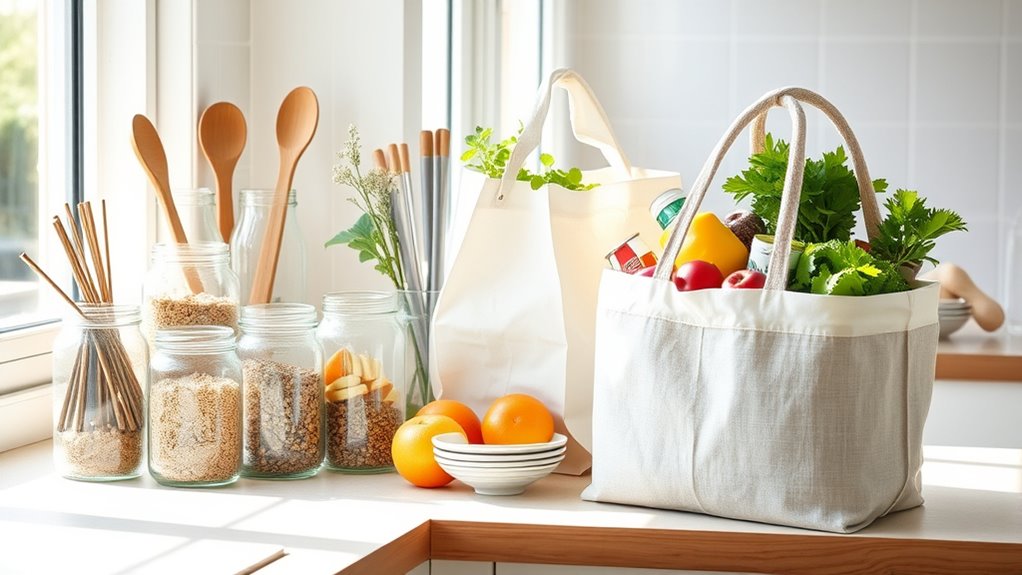
Ever wondered how you can make a meaningful impact on the environment with small everyday changes? One of the simplest ways is by paying attention to how products are packaged. Sustainable packaging is a key element in reducing waste, so look for products wrapped in biodegradable or recyclable materials. When shopping, bring your own bags and containers to cut down on single-use plastics. This not only minimizes your plastic footprint but also encourages companies to adopt greener packaging practices. Opt for items with minimal packaging or those that use compostable materials, which break down naturally without harming the environment. When you do encounter packaging that’s not eco-friendly, consider writing to brands and urging them to switch to sustainable packaging options. Making these thoughtful choices can set a powerful example and push the market toward more sustainable practices.
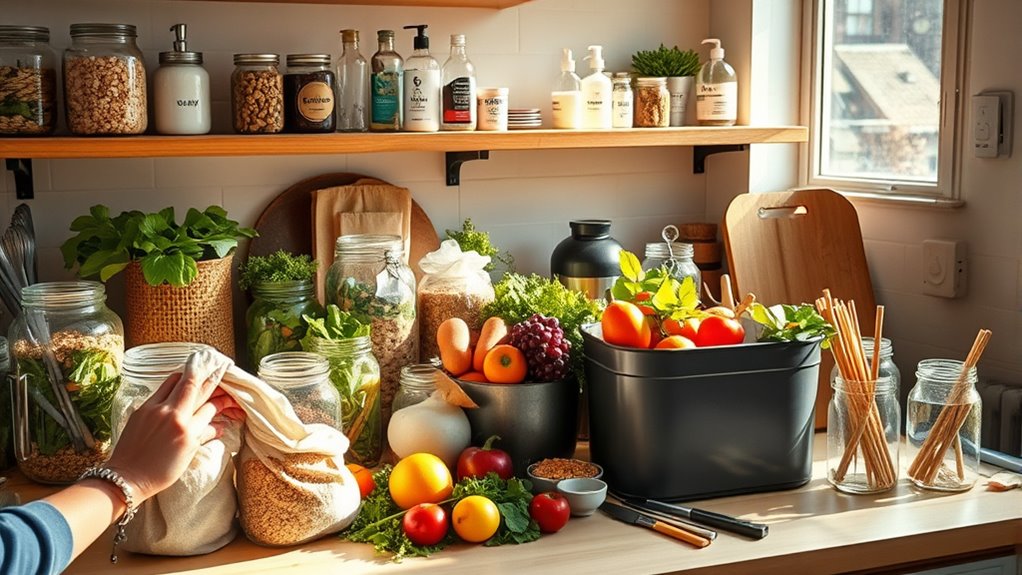
Another impactful step is mastering composting techniques at home. Composting allows you to divert organic waste from landfills, where it would produce methane, a potent greenhouse gas. Instead, you transform kitchen scraps and yard waste into nutrient-rich compost that can nourish your plants. To start, identify the right composting method for your space—whether it’s a traditional bin, tumbling composters, or a simple pile. Keep a balance of green materials (fruit and vegetable scraps, coffee grounds) and brown materials (dry leaves, paper, cardboard). Regularly turn your compost to aerate it and speed up decomposition. Avoid composting meat, dairy, or oily foods, as they can attract pests and create odors. Incorporating composting techniques can significantly reduce waste sent to landfills and lower your carbon footprint. With consistent effort, you’ll produce high-quality compost that reduces your reliance on chemical fertilizers and minimizes waste. Plus, composting gives you a tangible way to see your impact—transforming food scraps that would otherwise be trash into something useful.
Incorporating sustainable packaging habits and composting techniques into your daily routine might seem small, but they add up over time. These actions reduce the amount of waste you produce and lessen your environmental footprint. Small adjustments, like choosing eco-friendly packaging and composting your kitchen scraps, are accessible steps that make a real difference. Over time, they can inspire others around you to adopt similar practices, multiplying the positive effect. Remember, the goal isn’t perfection but progress. By making mindful choices, you’re actively participating in building a zero-waste lifestyle. It’s about creating a more sustainable future—one small, deliberate step at a time.
![[100% Eco-Friendly] 34 oz Disposable Food Containers with Lids – Sugarcane Pulp Take Out Containers, Biodegradable Lunch Box, Compostable and Microwave Safe To-Go Boxes for Meal Prep – Pack of 50](https://m.media-amazon.com/images/I/41+puIBBAoL._SL500_.jpg)
[100% Eco-Friendly] 34 oz Disposable Food Containers with Lids – Sugarcane Pulp Take Out Containers, Biodegradable Lunch Box, Compostable and Microwave Safe To-Go Boxes for Meal Prep – Pack of 50
Eco-Friendly & Biodegradable Crafted from sugarcane pulp, our eco-friendly food containers are 100% compostable and plastic-free. These biodegradable…
As an affiliate, we earn on qualifying purchases.
As an affiliate, we earn on qualifying purchases.
Frequently Asked Questions
How Can I Start a Zero-Waste Lifestyle on a Budget?
You can start a zero-waste lifestyle on a budget by making budget-friendly swaps like using cloth bags, jars, and containers instead of plastic. Look for affordable zero waste tips, such as shopping at thrift stores for reusable items or making your own cleaning products. Focus on small, manageable changes first, and gradually incorporate more sustainable habits without overspending. This way, you save money while reducing your environmental impact.
What Are the Biggest Challenges Faced When Adopting Zero Waste?
You face challenges like recycling difficulties and changing ingrained consumer habits. It’s tough to break old patterns, especially when convenience still calls for single-use items. Balancing your desire to reduce waste with societal norms can feel overwhelming. You might struggle with limited access to zero-waste stores or lack of awareness about sustainable choices. Yet, persistence and education help you overcome these barriers, making your journey toward a zero-waste lifestyle more manageable.
How Do I Handle Zero-Waste Shopping While Traveling?
When traveling, you handle zero-waste shopping by bringing reusable containers and travel-friendly gear. Use your containers for bulk purchases or to store snacks, minimizing packaging waste. Research local markets beforehand to find shops that accept reusable containers. Always carry a set of reusable utensils and cloth bags. This way, you stay eco-conscious while enjoying your trip, making zero-waste shopping seamless and practical on the go.
Are There Any Health Concerns With Reusable Products?
Reusable products are generally safe, but it’s smart to consider reusable product safety by doing health risk assessments regularly. Make sure to clean items like containers, bottles, and utensils thoroughly to prevent bacteria buildup. Check for any signs of wear or damage that could harbor germs. If you follow proper hygiene practices, reusable products won’t pose significant health risks, making them a safe and eco-friendly choice for your lifestyle.
How Can I Encourage Others to Adopt Zero Waste Habits?
You can encourage others to adopt zero waste habits by engaging with your community and demonstrating the benefits firsthand. Use social influence to inspire change—share your success stories, organize local events, or start a challenge. Your enthusiasm and practical tips motivate others to join in. By creating a supportive environment and showing that zero waste is achievable and rewarding, you’ll foster collective action toward a more sustainable lifestyle.

EPICA Countertop Compost Bin Kitchen | 1.3 Gallon | Odorless Composting Bin with Carbon Filters | Indoor Compost Bin with Lid | Stainless Steel Kitchen Composter for Food Scraps & Waste Recycling
FEATURED IN BON APPETIT & FORBES: Recognized by renowned magazines, EPICA’s compost bin is a perfectly sized marvel…
As an affiliate, we earn on qualifying purchases.
As an affiliate, we earn on qualifying purchases.
Conclusion
By adopting a zero-waste lifestyle, you can substantially reduce your environmental footprint. Small changes, like bringing reusable bags or avoiding single-use plastics, make a big difference. Did you know that if everyone in the U.S. reduced plastic waste by just 10%, it would save over 37 million pounds of plastic annually? Your actions matter. Start with simple steps today, and together, we can create a healthier planet for future generations.

WISELIFE Reusable Grocery Shopping Bags 10 Pack Large Foldable Tote Bags Bulk, Eco Produce Bags with Long Handle for Shopping Groceries Clothes (Grey&Black)
Sturdy Rip-stop Fabric: the WISELIFE reusable grocery bag is made of heavy-duty non-woven fabric reinforced with finished stitches;…
As an affiliate, we earn on qualifying purchases.
As an affiliate, we earn on qualifying purchases.

Dr. Connie's Compost+ Starter Kit | Natural Compost Starter & Accelerator | Includes Soil Additive & Composting Guide | All-Natural, Odor Control for Indoor & Outdoor Bins, Tumblers, and Piles
STARTER KIT: Everything you need to jump start your compost pile. Everything is very user friendly making this…
As an affiliate, we earn on qualifying purchases.
As an affiliate, we earn on qualifying purchases.