
TL;DR

Get garden gear delivered free with Prime
- Fast, free delivery on millions of items
- Prime Video, Amazon Music and more included
- Member-only deals all year
A Gardening Know How report says home gardeners can grow saffron from Crocus sativus corms in a sunny, well-drained spot, with flowers typically appearing in autumn. Harvesting is hands-on and yields are small: about 150 flowers are needed for one gram of dried saffron, according to the report. Correct plant identification matters because autumn crocus lookalikes are poisonous.
Home gardeners can grow saffron from the fall-flowering crocus Crocus sativus in a sunny, well-drained bed or container, according to a Gardening Know How report. The report says the plants can flower in their first autumn, but producing the spice takes hand harvesting: about 150 flowers yield one gram of dried saffron.
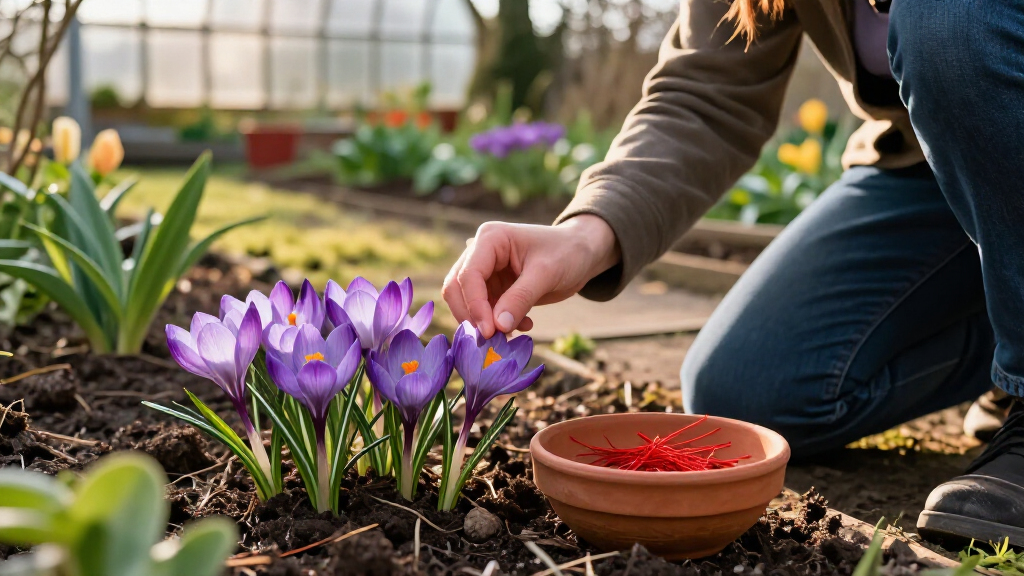
The spice comes from the flower’s three slender red stigmas, which are picked and dried. Gardening Know How says corms are usually planted in August or September, though October planting can also work. The report recommends setting them pointed end up, about 4 to 6 inches deep and 3 to 4 inches apart, then watering them in once.
Good drainage is the main growing requirement, the report says, because corms can rot in soil that stays wet. Gardeners with heavy clay soil may want to use a raised bed; pots around a foot wide are another option, provided they are placed on the ground outdoors over winter. The report says saffron crocus can overwinter in zones 5 through 8, and in zone 4 where soil drains very well.
Flowers generally open in October or November. The report recommends collecting the red stigmas after the morning dew has dried, preferably before blooms fully open, and leaving the yellow stamens behind. Threads need to be completely dry before storage in an airtight container away from light. The article says properly stored saffron can retain quality for a couple of years, and suggests letting a new batch sit for about a month before cooking with it.
A Small Harvest Takes Hand Work
Growing the plant does not remove the labor behind saffron’s high price. Each flower supplies only three stigmas, and the report’s estimate of roughly 150 flowers per gram illustrates why a home crop may remain modest even when the plants grow well. The appeal for gardeners is the possibility of harvesting a small quantity for cooking while also getting purple autumn flowers.
The corms multiply over time, Gardening Know How says, so a planting can produce a larger harvest in later years. However, the report cautions that the first season may be disappointing because some new corms might not flower until their second year. That makes the plant a longer-term garden crop rather than a quick way to produce a large supply of spice.
Growing conditions also shape the outcome. Corms left in persistently damp ground may rot, while summer irrigation from a nearby thirsty crop can keep dormant saffron soil too wet. Gardeners need to plan the planting site around the plant’s seasonal cycle, rather than treat it like a crop that needs regular summer watering.
As an affiliate, we earn on qualifying purchases.
Planting and Harvesting Calendar
The report describes saffron crocus as a fall-blooming plant grown from corms, which are bulb-like underground storage structures. It recommends planting soon after corms arrive, since prolonged storage in a bag can allow them to sprout before planting. Fall leaves feed the corms; gardeners are advised to leave that foliage intact until it yellows naturally as the plant enters dormancy, around June or July.
After flowering, the three red stigmas are removed from each bloom, while the yellow stamens are left behind. They can be air-dried in a warm, dark place or dried in a dehydrator using a fine mesh screen, according to the report. For cooking, a small pinch can be steeped in warm water for 15 to 20 minutes, then added to dishes such as rice or seafood stew.
Gardeners should also protect plantings from animals. The report says voles and squirrels may dig up corms, and suggests using galvanized steel mesh around or beneath a planting. Where deer are common, netting can protect the winter foliage.
““Good drainage is the key to growing these corms successfully in all zones.””
— Gardening Know How
As an affiliate, we earn on qualifying purchases.
Yield Depends on Growing Conditions
The report provides a general yield estimate, not a guarantee of how much saffron an individual garden will produce. Flower numbers can vary, and it says some corms may not bloom until their second year. The article does not give a typical household harvest, a cost comparison with store-bought saffron, or specific yield figures by climate or planting size.
Plant identification is a safety issue. Autumn crocus, Colchicum autumnale, and some related plants can be confused with saffron crocus and are poisonous, according to Gardening Know How. The report says Colchicum has six stamens compared with saffron crocus’s three, but advises buying correctly labelled corms from a trusted supplier and checking plant identity before harvesting. The exact risk of confusion will depend on the plants and supplier available to a gardener.
The report also warns that saffron may stimulate uterine contractions during pregnancy and may interact with medicines, particularly those for blood pressure or diabetes. It advises consulting a doctor before consuming saffron in those circumstances and limiting intake to a few strands a day. These are safety cautions from the source report; it does not provide clinical evidence or individual medical advice.
raised garden beds for crocus planting
As an affiliate, we earn on qualifying purchases.
As an affiliate, we earn on qualifying purchases.
Watch for Autumn Flowers
For gardeners following the report’s schedule, the next step is to plant corms in late summer or early fall in a sunny location with reliable drainage. Once planted and watered in, the bed should not remain wet during summer dormancy. Gardeners can then watch for leaves and flowers in autumn, protect the corms from animals, and leave foliage in place until it yellows naturally.
At harvest, the key steps are confirming that the plant is Crocus sativus, gathering only its red stigmas, and drying the threads fully before storage. The amount produced and whether a planting flowers in its first season remain dependent on the corms and growing conditions.
As an affiliate, we earn on qualifying purchases.
Key Questions
When should saffron crocus corms be planted?
Gardening Know How says August or September is the usual planting period, though planting in October can work. It recommends planting corms soon after they arrive.
How much saffron can one flower produce?
Each Crocus sativus flower has three red stigmas, which become the spice. The report estimates that about 150 flowers are needed for one gram of dried saffron; actual home yields are not guaranteed.
Can saffron crocus grow in a pot?
Yes. The report says corms can grow in a container about a foot (30 centimetres) across. It recommends keeping the pot on the ground outdoors over winter and prioritizing well-drained soil.
Are autumn crocus plants safe to harvest?
No plant should be harvested for saffron unless it has been identified as Crocus sativus. Gardening Know How warns that autumn crocus, including Colchicum autumnale, is poisonous and can be confused with saffron crocus.
Who should take care before eating saffron?
The source report advises people who are pregnant, or who take blood pressure or diabetes medication, to consult a doctor before consuming saffron. It also cautions against high doses and recommends only a few strands a day.
Source: rss
Columbus Day / Indigenous Peoples' Day Picks
long weekend sales
As an affiliate, we earn on qualifying purchases.